
Bajcaridris kraussii
- Sci. Name
- Bajcaridris kraussii
- Tribe
- Formicini
- Subfamily
- Formicinae
- Author
- Forel, 1895
- Distribution
- Found in 0 countries
Introduction
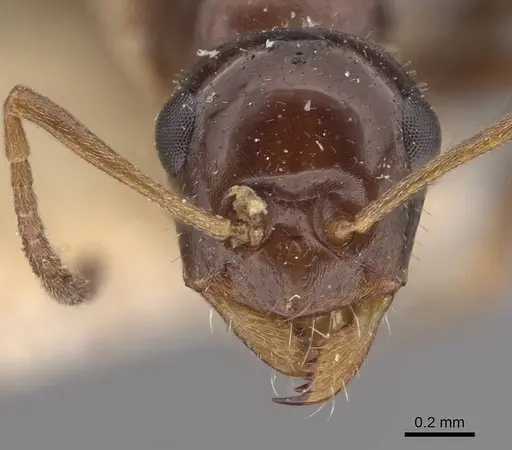
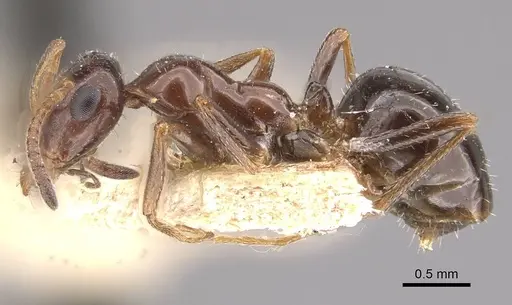
Bajcaridris kraussii is a small ant species belonging to the subfamily Formicinae, tribe Formicini. It is native to North Africa, specifically documented in Algeria . This genus is poorly studied in scientific literature, and confirmed biological data is extremely limited. Workers are tiny ants, though exact measurements are unavailable. They inhabit warm, dry regions of the Mediterranean basin. The tribe Formicini includes ants that lack a functional sting and instead use formic acid spray as their primary defense mechanism.
Quick Summary
- Difficulty: Medium
- Origin & Habitat: Native to North Africa, specifically documented in Algeria [1]. They inhabit Mediterranean climate zones with hot, dry summers and mild winters.
- Colony Type: Colony structure is unconfirmed. No published research documents queen number or colony organization for this species.
- Size & Growth:
- Queen: Size data unavailable, no published measurements exist for this species
- Worker: Size data unavailable, no published measurements exist for this species. Workers are described as tiny but exact dimensions are not documented.
- Colony: Colony size data unavailable
- Growth: Unknown, no development data published
- Development: Unknown, no development data published for this species (Development timeline has not been studied. Estimates based on related species would be speculative.)
- Antkeeping:
- Temperature: Keep warm, around 24-28°C during active season. This is inferred from their North African habitat but not confirmed by research.
- Humidity: Low to moderate, likely prefers drier conditions based on Mediterranean habitat. Keep substrate lightly moist but allow drying between waterings. Provide a moisture gradient.
- Diapause: Likely yes, Mediterranean species typically require winter diapause, but specific requirements for this species are unconfirmed.
- Nesting: Use a dry nest setup. Y-tong (AAC) nests or plaster nests work well for small ants. Avoid overly humid conditions.
- Behavior: These are small ants with typical Formicinae behavior. They lack a functional sting and instead spray formic acid as defense, this can irritate skin and eyes. Workers are fast-moving and may be skittish. Their tiny size means escape prevention is critical. Use fine mesh barriers and ensure all connections are sealed.
- Common Issues: escape prevention is critical due to their very small size, use tight-fitting lids and fine mesh, formic acid spray can irritate skin, handle gently and avoid disturbing the nest, limited published care information makes specific guidance uncertain, winter diapause is likely important for long-term colony health, this is inferred from related Mediterranean species
Housing and Nest Setup
For Bajcaridris kraussii, use a dry nest setup that mimics their natural North African habitat. Y-tong (AAC) nests work well because they allow precise humidity control. Plaster nests are another option. The key is keeping the nesting area relatively dry, these ants come from a region with low rainfall. Provide a small water chamber for drinking water, but avoid saturating the nest material. Workers are tiny, so ensure all connections and barriers are tight. Fine mesh with holes smaller than 1mm is essential for escape prevention.
Temperature and Heating
Maintain temperatures around 24-28°C during the active season. These ants naturally experience high temperatures in Algeria. A heating cable placed on one side of the nest creates a temperature gradient. During winter, consider reducing temperatures to 15-18°C for 2-3 months to provide diapause, this mimics their natural seasonal cycle in the Mediterranean. Do not keep them warm year-round as this may weaken the colony over time.
Feeding and Diet
Bajcaridris kraussii is likely a generalist feeder, similar to most Formicinae. Offer sugar water or honey as an energy source, and protein in the form of small insects like fruit flies, pinhead crickets, or mealworms. They may also collect seeds if available. Feed small amounts and remove any uneaten food after 24 hours to prevent mold. Once workers arrive, they will forage for food. Provide protein 2-3 times per week and keep sugar water available constantly.
Colony Founding and Growth
The founding behavior of this species has not been documented in scientific literature. The queen likely seals herself in a small chamber and raises the first workers alone on stored body fat, but this is unconfirmed. Expect the first workers to appear smaller than mature workers. Colony growth will be slow initially. Be patient and resist the urge to overfeed, as excess food causes mold in small test tube setups.
Defense Mechanism
As a Formicinae ant in the tribe Formicini, Bajcaridris kraussii lacks a functional sting. Instead, they spray formic acid as their primary defense. This spray can irritate skin and eyes. When handling these ants or working with the nest, do so gently to avoid provoking defensive spraying. The formic acid spray is directed at attackers and can be released into the air or directly onto threats.
Winter Care and Diapause
Mediterranean species like this likely require a winter rest period. Reduce temperatures to 15-18°C for 2-3 months during winter, typically from late autumn through winter. During this time, the colony will be less active and consume less food. You may only need to offer food once every two weeks during diapause. Do not feed heavily during winter. Return to normal temperatures gradually in spring.
Frequently Asked Questions
How long does it take for Bajcaridris kraussii to produce first workers?
This is unknown, no development data has been published for this species. Based on typical ant development, expect several weeks to a few months, but this is a rough estimate with no species-specific data to confirm it.
What temperature do Bajcaridris kraussii ants need?
Keep them warm at 24-28°C during the active season. This is inferred from their North African habitat. A heating cable on one side of the nest creates a gradient. In winter, reduce to 15-18°C for diapause.
Do Bajcaridris kraussii ants need hibernation?
Likely yes, Mediterranean species typically require winter diapause. Reduce temperatures to 15-18°C for 2-3 months during winter. This is inferred from their climate but not specifically studied for this species.
How big do Bajcaridris kraussii colonies get?
This is unknown, no published data exists on maximum colony size for this species.
Can I keep Bajcaridris kraussii in a test tube?
Yes, test tubes work well for founding colonies. Use a small test tube with a cotton ball for water (keep it minimal, these dry-climate ants prefer less moisture). Once the colony reaches 30-50 workers, consider moving to a Y-tong or plaster nest.
What do Bajcaridris kraussii ants eat?
They are likely generalist feeders. Offer sugar water or honey constantly for energy, and protein sources like small insects (fruit flies, pinhead crickets, mealworms) 2-3 times per week. They may also accept seeds.
Are Bajcaridris kraussii good for beginners?
This species is rated as Medium difficulty. They require specific conditions (warm, dry) and there is limited published care information. Experience with other ant species is recommended. Their small size and escape risk add complexity.
Why are my Bajcaridris kraussii dying?
Common causes include: too much humidity (they prefer dry conditions), temperatures too low, skipping winter diapause, or escape due to inadequate barriers. Check that your setup is dry, warm, and escape-proof. Also ensure you are not overfeeding, which causes mold.
When should I move Bajcaridris kraussii to a formicarium?
Move from test tube to a proper nest (Y-tong or plaster) when the colony reaches 30-50 workers. Before then, the test tube provides better humidity control. Make sure the new nest has appropriate conditions, dry, warm, with small chambers scaled to their tiny size.
Report an Issue
The current care sheet is based fully on literature. See inconsistencies, or something that's incorrect? Please , it will be resolved after review from an admin. Contributing to the blogs tab also helps providing information, to make us be able to further improve the caresheets. Thank you for your support!
References

This caresheet is licensed under CC BY-SA 4.0 .
Community Blogs
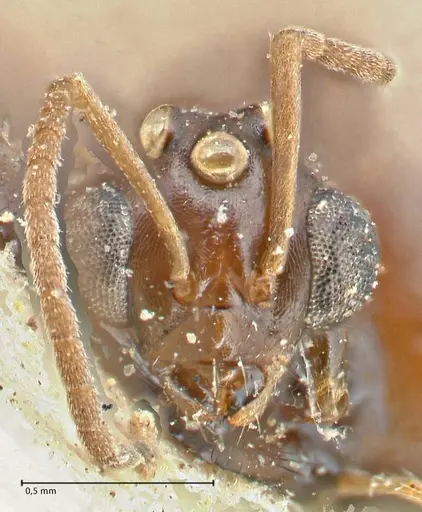
CASENT0911065
View on AntWeb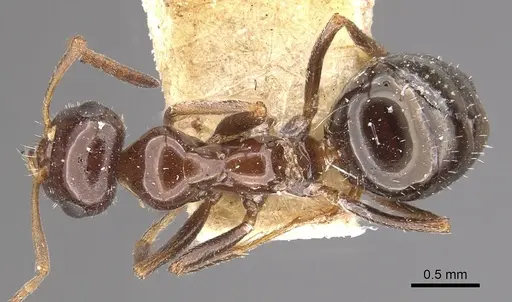
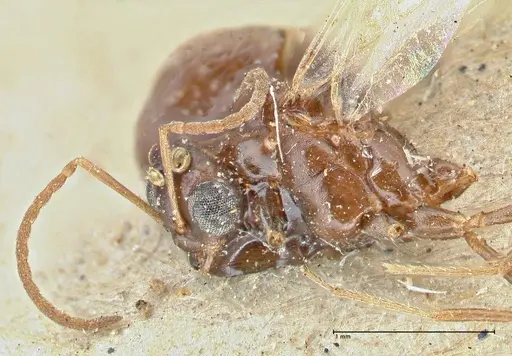
FOCOL2973
View on AntWeb
Literature
Loading distribution map...Loading products...