
Bajcaridris theryi
- Sci. Name
- Bajcaridris theryi
- Tribe
- Formicini
- Subfamily
- Formicinae
- Author
- Santschi, 1936
- Distribution
- Found in 1 countries
Introduction
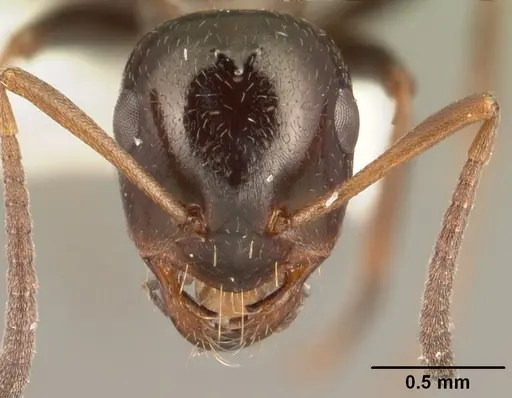
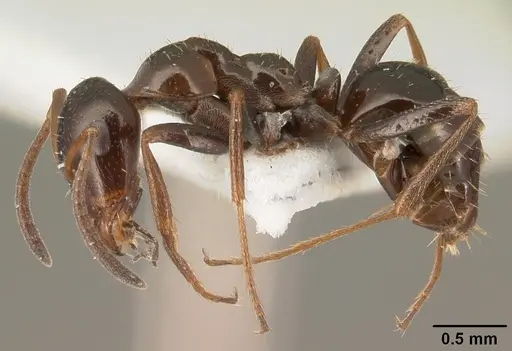
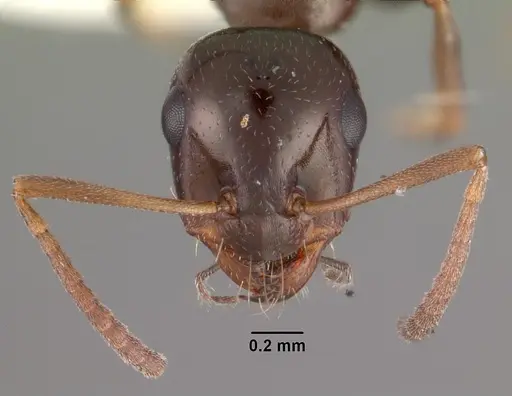
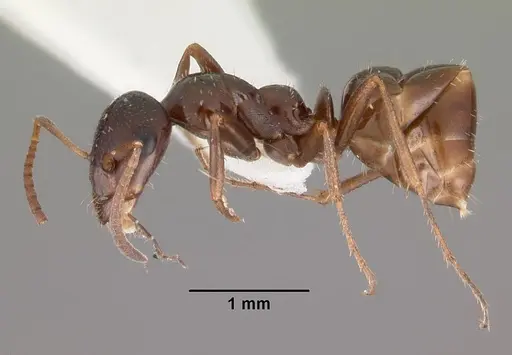
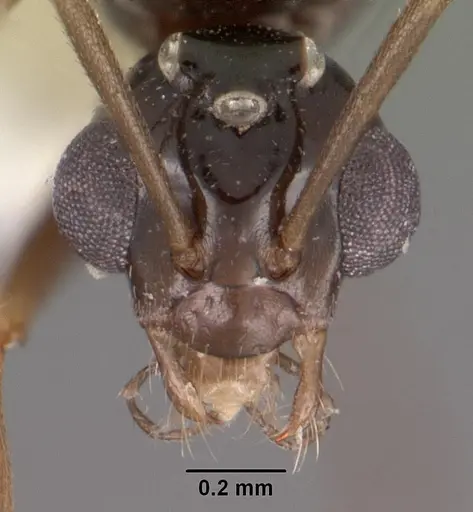
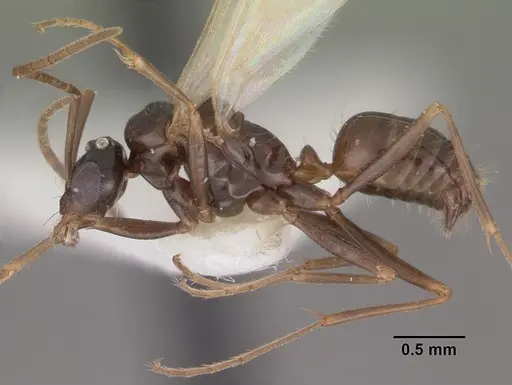
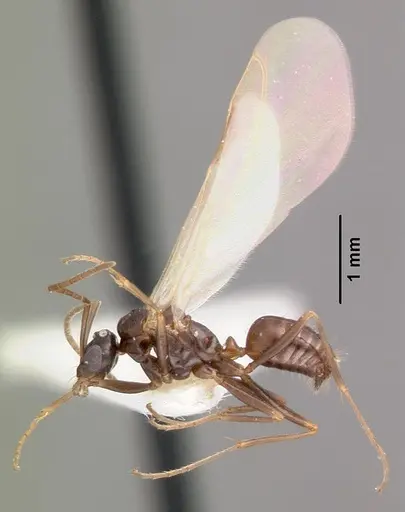
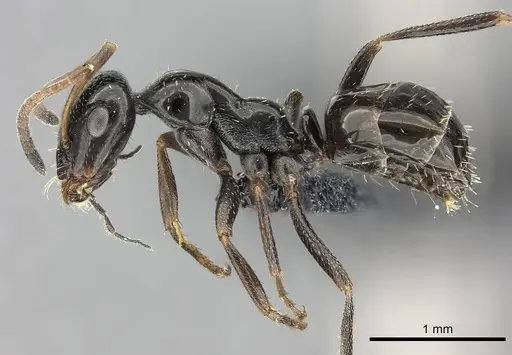
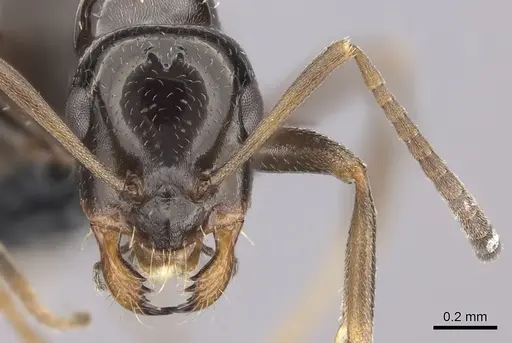
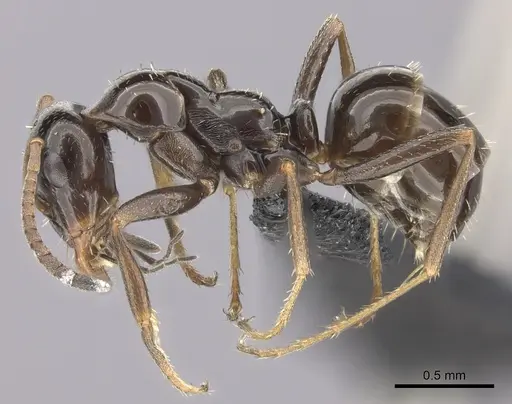
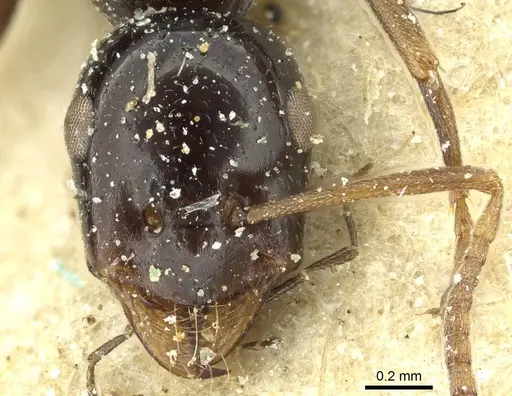
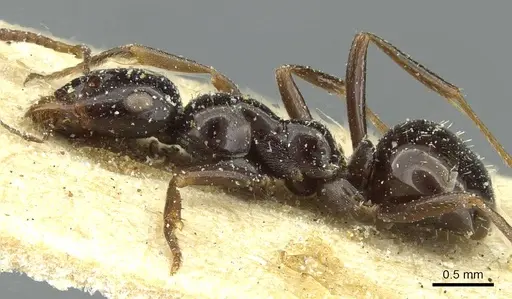
Bajcaridris theryi is a small ant species endemic to the Atlas Mountains of Morocco, where it is one of the dominant ant species in its range . Workers belong to the subfamily Formicinae and tribe Formicini. This species builds nests in soil, often under stones, creating a distinctive crater-shaped entrance . Originally described as Proformica theryi in 1936,it was reclassified into the genus Bajcaridris in 1994 . The species has been recorded from several locations including Azrou, Hebri, Mrirt, and the Dades region . Bajcaridris is closely related to Proformica and Rossomyrmex based on phylogenetic analysis .
Quick Summary
- Difficulty: Unknown, this is a rarely kept species with limited available care information
- Origin & Habitat: Endemic to the Atlas Mountains region of Morocco, found in meadows and grassy areas. Nests are built in soil under stones or in open soil with crater-shaped entrances [1][2][3].
- Colony Type: Colony structure is unconfirmed in scientific literature
- Size & Growth:
- Queen: size data unavailable
- Worker: size data unavailable
- Colony: Colony size has not been documented
- Growth: Unknown, no development data available
- Development: Unknown, no direct measurements available (Development timeline is unconfirmed for this species.)
- Antkeeping:
- Temperature: Based on Morocco location, provide moderate temperatures roughly 20-26°C with a gradient. Adjust based on colony activity.
- Humidity: Keep nest substrate moist but not waterlogged, with some drier areas available.
- Diapause: Likely requires a winter rest period given the temperate mountain origin. A 2-3 month diapause at 5-10°C is recommended based on similar species patterns.
- Nesting: Soil-nesting species. Accepts test tubes with dirt substrate or naturalistic setups. Provide soil or sandy substrate deep enough for tunneling. Flat stones or similar cover can mimic natural nesting under stones [1].
- Behavior: Not well-documented in captivity. Based on related Formicini, expect moderate activity levels with typical ant foraging behaviors. As a Formicine ant, they lack a functional sting but may spray formic acid as defensive secretion.
- Common Issues: limited available care information makes proper husbandry challenging, colony may be difficult to acquire as the species is rarely kept, winter diapause requirements are inferred but not confirmed, specific humidity and temperature preferences are unknown, growth rate is unconfirmed making timeline predictions difficult
Natural History and Distribution
Bajcaridris theryi is endemic to Morocco, specifically found in the Atlas Mountains region [2][3]. The species was originally described by Santschi in 1936 as Formica (Proformica) theryi based on worker specimens collected from Azrou on May 5,1929 [1]. Later taxonomic revisions moved it from Proformica to Bajcaridris in 1994 [1]. This ant inhabits meadows and grassy areas at higher elevations in the Atlas Mountains. It is among the dominant ant species in its native range, indicating it plays an important ecological role in those mountain grasslands [1]. The species has been recorded from multiple locations including Hebri, Mrirt (Middle Atlas), Dades (High Atlas), and southwestern Morocco [2].
Nesting Behavior
In the wild, Bajcaridris theryi builds nests in soil, either under stones or in open ground without stone cover [1]. When nesting without cover, they create a distinctive crater-shaped nest entrance, which is a characteristic feature of their nesting behavior [1]. This nesting preference suggests they prefer stable, protected microhabitats with some moisture retention. For captive care, a naturalistic setup with soil or sandy substrate works well. Provide a layer of substrate deep enough for the colony to dig tunnels and chambers. Including a flat stone or similar cover can mimic their natural nesting sites under stones. Test tubes with dirt substrate are also suitable for founding colonies.
Related Species and Phylogeny
Bajcaridris is a small genus within the ant tribe Formicini (subfamily Formicinae). Phylogenetic analysis shows Bajcaridris is closely related to Proformica (the genus it was previously classified in) and to Rossomyrmex, a genus of slave-making ants [4]. Genetic distance analysis reveals Bajcaridris has a p-distance of about 4.1% to Proformica using the wnt-1 gene, and about 4.5% to Rossomyrmex [4]. This phylogenetic position suggests Bajcaridris shares many biological traits with Proformica species, which are ground-nesting ants typically found in open habitats. Understanding this relationship helps antkeepers make informed care decisions based on what works for related Proformica species.
Care Recommendations
Since Bajcaridris theryi is a rarely kept species with limited documented care information, keepers should approach husbandry conservatively. Based on the species' origin in the Atlas Mountains of Morocco, provide moderate temperatures around 20-26°C with a temperature gradient allowing the ants to self-regulate. Humidity should be moderate, keep the nest substrate moist but not saturated, with some drier areas available for choice. For nesting, use test tubes with dirt substrate or naturalistic setups with soil deep enough for tunneling. Include flat stones or similar cover options. Winter diapause is likely required given the temperate mountain origin, a 2-3 month period at 5-10°C during winter months is recommended based on similar species patterns. Feed standard ant diets including sugar sources and protein prey, though specific dietary preferences are unconfirmed for this species.
Availability and Acquisition
Bajcaridris theryi is not commonly available in the antkeeping hobby. This species is endemic to Morocco and has a limited distribution in the Atlas Mountains. It is among the dominant ant species in its native range but is rarely kept in captivity. Prospective keepers may have difficulty acquiring this species as it is not commonly traded. If available, colonies are likely to be wild-caught. When obtaining any ant species, ensure they are legally acquired and not from protected areas. Always verify that the seller has proper permits if selling captive-bred colonies. [1][2]
Frequently Asked Questions
How long does it take for Bajcaridris theryi to produce first workers?
The exact egg-to-worker development time is unknown for this species. No documented measurements are available.
What temperature should I keep Bajcaridris theryi at?
Based on the species' origin in the Atlas Mountains of Morocco, aim for moderate temperatures around 20-26°C. Provide a temperature gradient so the ants can self-regulate. Adjust based on colony activity.
Does Bajcaridris theryi need hibernation?
Likely yes, based on the temperate mountain origin in Morocco's Atlas Mountains, a winter rest period is probable. A 2-3 month diapause at 5-10°C during winter months is recommended, similar to other Formicini species from temperate regions.
What do Bajcaridris theryi ants eat?
Specific dietary preferences are unconfirmed, but based on related Formicini species, they likely accept sugar sources (honey, sugar water) and protein (insects, mealworms). Offer a varied diet and observe what the colony prefers.
Can I keep multiple Bajcaridris theryi queens together?
Colony structure is not well-documented for this species. Combining unrelated queens is not recommended as it has not been studied for this species.
What type of nest does Bajcaridris theryi need?
This is a soil-nesting species. Test tubes with dirt substrate or naturalistic setups with soil work well. Provide substrate deep enough for tunneling. Including flat stones or similar cover mimics their natural nesting under stones.
Is Bajcaridris theryi good for beginners?
This species is not recommended for beginners due to limited available care information. The lack of documented husbandry guidelines makes proper care challenging. Consider starting with more commonly kept species like Lasius, Formica, or Tetramorium before attempting less-documented species.
Where is Bajcaridris theryi native to?
Bajcaridris theryi is endemic to Morocco, specifically found in the Atlas Mountains region including Azrou, Hebri, Mrirt, and the Dades area. It inhabits meadows and grassy areas at higher elevations.
How big do Bajcaridris theryi colonies get?
Colony size is not documented in available literature. As a dominant species in its native range, colonies likely reach moderate sizes typical of Formicini, but specific maximum sizes are unknown.
Report an Issue
The current care sheet is based fully on literature. See inconsistencies, or something that's incorrect? Please , it will be resolved after review from an admin. Contributing to the blogs tab also helps providing information, to make us be able to further improve the caresheets. Thank you for your support!
References

This caresheet is licensed under CC BY-SA 4.0 .
Community Blogs
CASENT0101950
View on AntWeb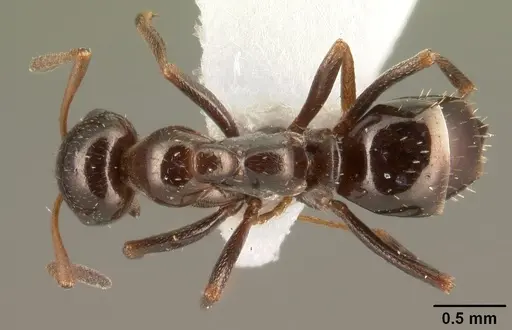
CASENT0102379
View on AntWeb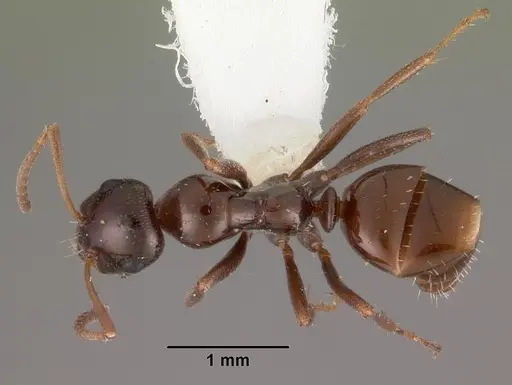
CASENT0102380
View on AntWeb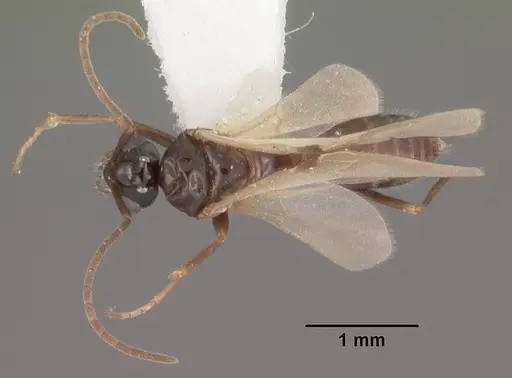
CASENT0235255
View on AntWeb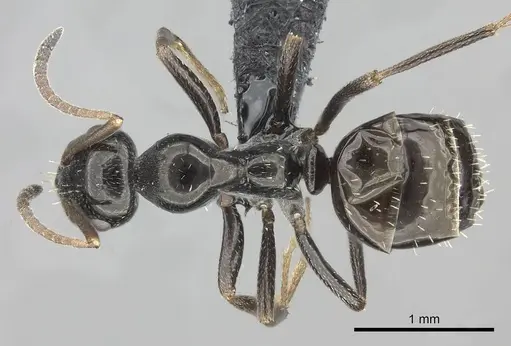
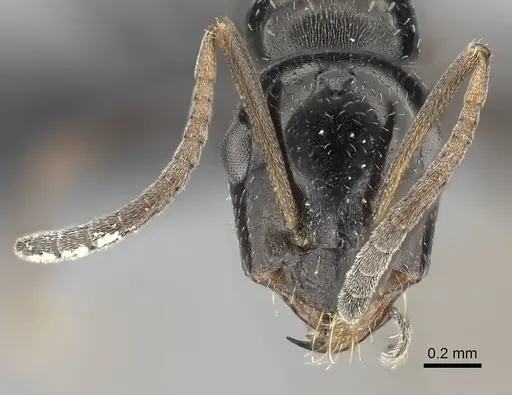
CASENT0235256
View on AntWeb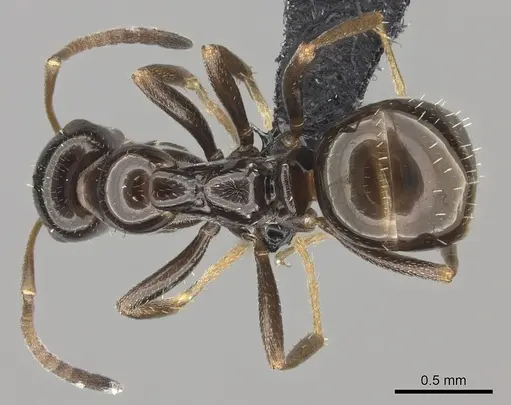
CASENT0912168
View on AntWeb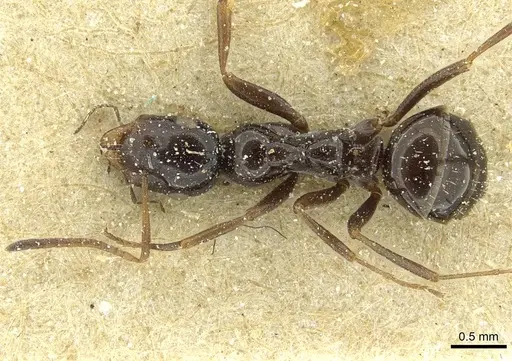
Literature
Loading distribution map...Loading products...