
Giant Forest Ant
Dinomyrmex gigas
- Sci. Name
- Dinomyrmex gigas
- Tribe
- Camponotini
- Subfamily
- Formicinae
- Author
- Latreille, 1802
- Common Name
- Giant Forest Ant
- Distribution
- Found in 5 countries
Introduction
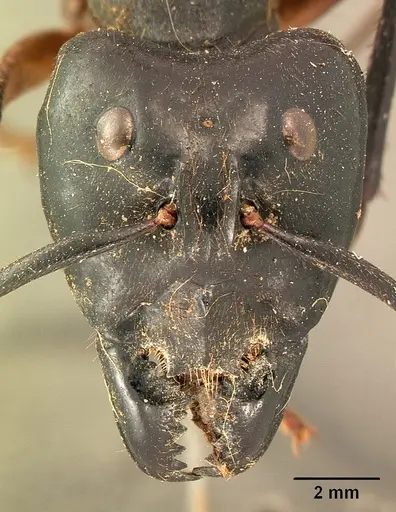
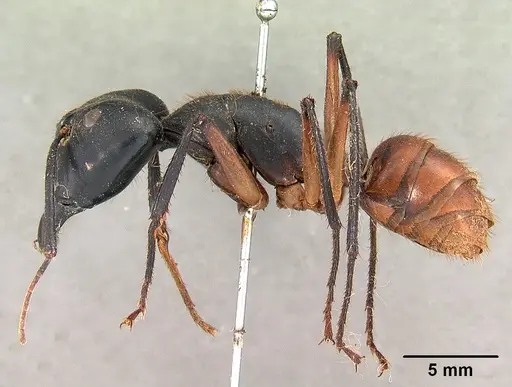
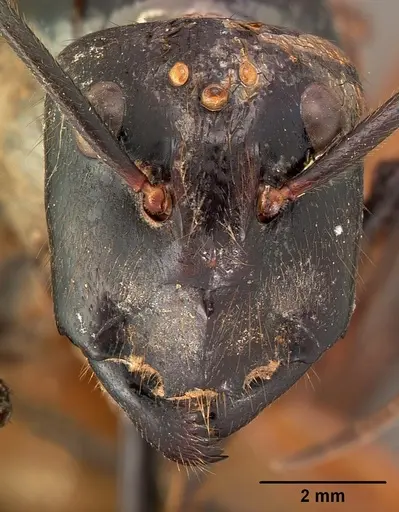
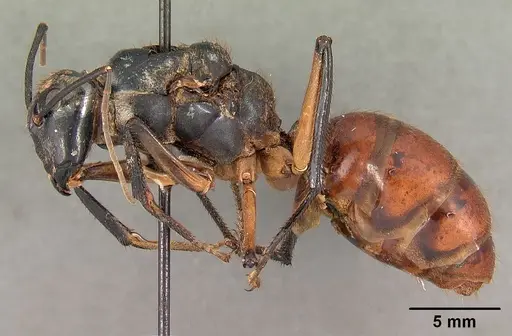
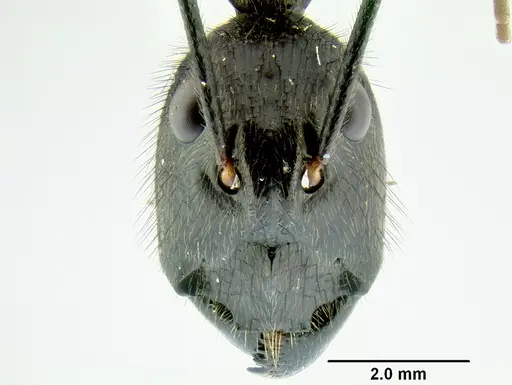
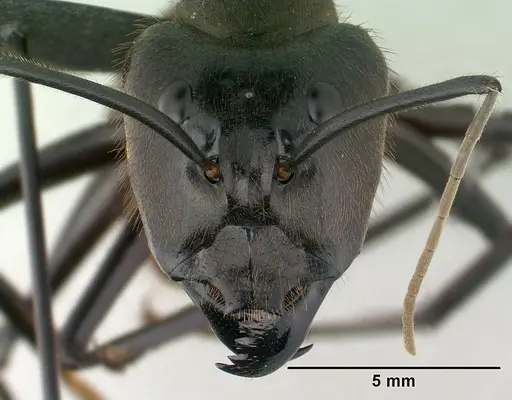
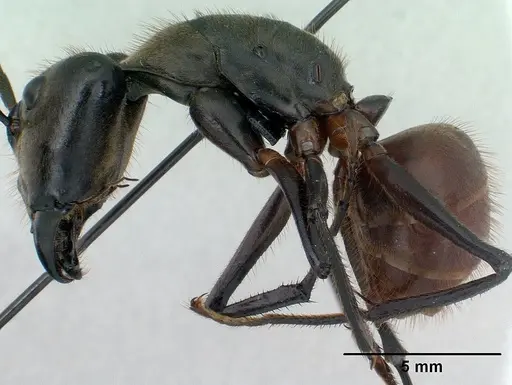
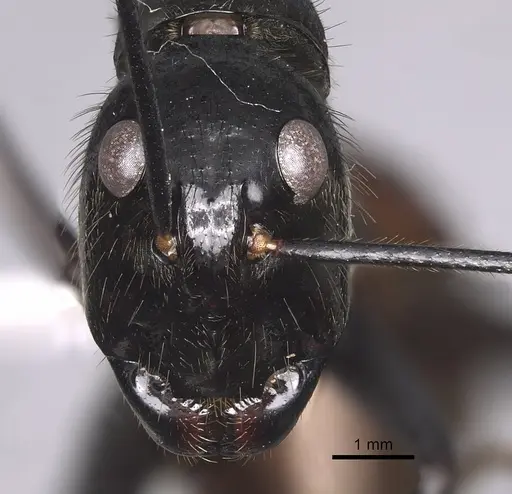
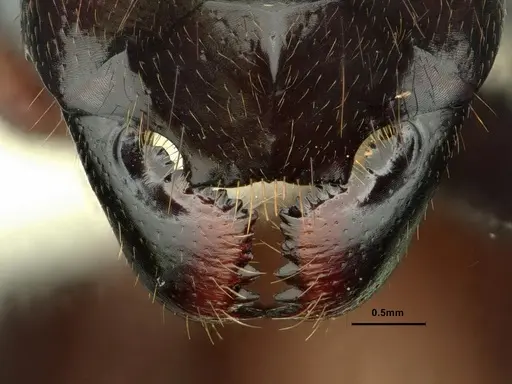
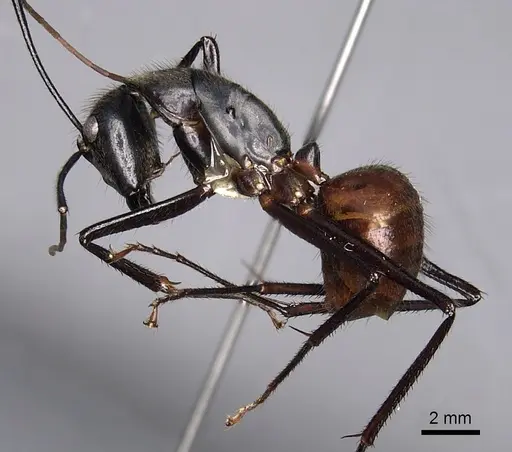
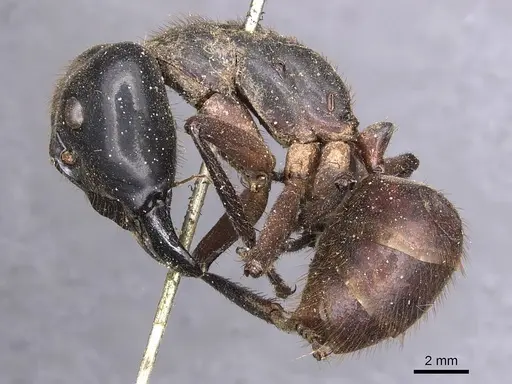
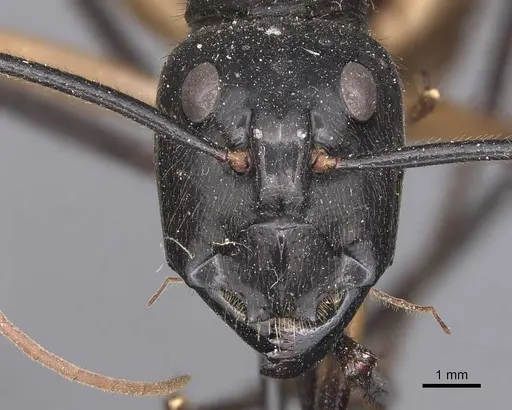
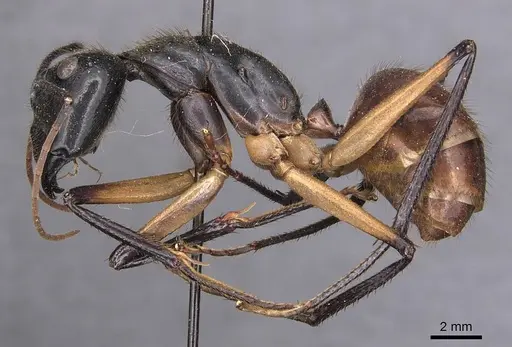
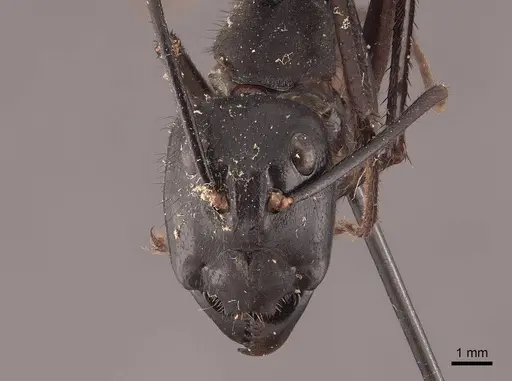
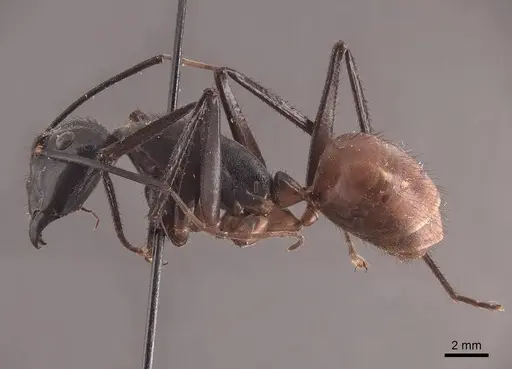
Dinomyrmex gigas is one of the world's largest ant species, with queens reaching over 31mm in length and major workers measuring up to 30mm . These impressive ants are native to Southeast Asia, found across Borneo, Malaysia, Indonesia, the Philippines, Singapore, and Thailand [AntWiki]. They inhabit tropical rainforests from peat swamps up to mountain forests at 1500m elevation . The species was formerly classified as Camponotus gigas but has been reclassified into its own genus Dinomyrmex . What makes D. gigas truly remarkable is their complex polydomous colony structure - a single colony maintains 8-14 underground nests spread across territories up to 8000m², connected by extensive arboreal trail networks . They are primarily nocturnal foragers, ascending to the canopy at dusk to tend honeydew-producing insects and returning by dawn . Their society is highly organized with distinct worker castes and specialized roles including foragers, transporter ants, and soldier majors that defend colony borders .
Quick Summary
- Difficulty: Expert
- Origin & Habitat: Tropical rainforests of Southeast Asia (Borneo, Malaysia, Indonesia, Philippines, Singapore, Thailand) from sea level to 1500m elevation [3][4]. Nests in soil at tree bases, under fallen logs, or in tree cavities [9][10].
- Colony Type: Monogynous (single queen) colonies with polydomous structure, 8-14 interconnected nests per colony covering up to 0.8 hectares [4][6][3].
- Size & Growth:
- Queen: 31mm+ [1][2]
- Worker: Minors approximately 17.5mm, majors up to 30mm [1][2][6]
- Colony: Approximately 7000 workers per colony [4][6]
- Growth: Slow, founding colonies take many months to establish [4]
- Development: Approximately 6-10 months based on limited captive data [4] (First workers (nanitics) are much smaller than mature minors. One documented colony took 10 months to produce first workers in captivity [4])
- Antkeeping:
- Temperature: Keep at 24-28°C, they are a tropical species adapted to warm, humid conditions. Median annual temperature in their range is 25.3°C [2]. Use a heating cable on one side of the nest to create a gradient.
- Humidity: High humidity (70-85%), these rainforest ants need consistently moist substrate. Keep nest material damp but not waterlogged.
- Diapause: No true hibernation, as a tropical species, they remain active year-round but may reduce activity during cooler periods [4]
- Nesting: Large naturalistic setup with multiple connected chambers. They need extensive space for their polydomous colony structure. Y-tong (AAC) or plaster nests work well, with multiple entry points and chambers scaled to their large size [4]
- Behavior: Primarily nocturnal, foragers leave nests at dusk and return by dawn [4]. They are not aggressive toward humans but will defend their colony vigorously. Major workers (soldiers) guard colony borders and respond to threats using their powerful bite and formic acid spray [8]. They form complex trail networks through the canopy. Escape risk is low due to their large size, but they are excellent climbers so standard barriers still recommended.
- Common Issues: slow colony growth can frustrate keepers, founding colonies may take 6+ months to produce first workers, large size requires spacious housing, cramped nests lead to stress and colony abandonment, nocturnal activity pattern means most foraging happens after dark, keepers may rarely see their ants active, polydomous nature requires multiple nest chambers connected together, single nests are inadequate for established colonies, wild-caught colonies may have parasites or be stressed from collection, quarantine and careful observation essential
Housing and Nest Setup
Dinomyrmex gigas requires significantly more space than typical ants due to their polydomous nature and large colony size. For founding colonies, a large test tube setup (25mm+ diameter) works initially, but you will need to expand quickly. For established colonies, a custom formicarium with multiple connected chambers is essential, think 8-14 interconnected spaces like their natural colonies [4]. The chambers should be appropriately scaled: minors need passages at least 15-20mm wide, while majors need even wider spaces. Provide a water reservoir and keep the nesting area consistently moist. These ants are excellent climbers, so apply Fluon to the rim of any formicarium. They prefer dark, humid nesting areas but need an outworld for foraging. Given their nocturnal nature, red film over the observation side helps them feel secure while you can observe activity.
Feeding and Diet
In the wild, D. gigas feeds primarily on honeydew, about 87-95% of their diet comes from honeydew and extrafloral nectar [6][4]. They maintain trophobiotic relationships with wax cicadas and other sap-feeding insects, literally herding them for honeydew production [12]. The remaining diet consists of bird droppings (7.4%), arthropod prey (4%), and other excrements [6]. For captive care, offer sugar water or honey constantly, this is their primary energy source. For protein, offer insects (especially soft-bodied prey like mealworms, crickets, or roaches) 2-3 times per week. Their large size means they can handle substantial prey items. Some keepers report success with fruit, but sugar sources should be the foundation of their diet. Fresh water must always be available. Given their nocturnal foraging pattern, offer food in the evening and remove uneaten portions in the morning.
Temperature and Seasonal Care
As a tropical species from Southeast Asia, D. gigas requires warm, stable temperatures year-round. The median annual temperature in their native range is 25.3°C, with the coldest quarter averaging 24.2°C [2]. Keep the nest area at 24-28°C, with a slight gradient allowing workers to choose their preferred temperature. A heating cable placed on one side of the nest creates this gradient effectively. Unlike temperate ants, they do not enter true diapause or hibernation, they remain active throughout the year [4]. However, they may show reduced activity during cooler periods, so avoid placing their setup near air conditioning or drafty windows. High humidity is equally important, aim for 70-85% relative humidity. Mist the outworld occasionally and ensure the nest substrate stays damp but not waterlogged. The combination of warmth and humidity mimics their natural rainforest environment.
Colony Structure and Behavior
One of the most fascinating aspects of D. gigas is their complex colony organization. Colonies are monogynous (single queen) but polydomous, meaning they maintain 8-14 separate nests connected by arboreal trails [4][6]. A single colony can cover nearly a hectare (8000m²) of forest [4]. The worker force is polymorphic with two distinct subcastes: minors (87.3% of workers, averaging 135mg) and majors (12.7%, averaging 372mg) [4]. Majors serve as soldiers and border guards, while minors handle most foraging and brood care [8]. The colony operates with remarkable efficiency: foragers collect honeydew from the canopy, transporter ants move food between nests, and majors defend territory borders [6][8]. They engage in ritualized tournaments with neighboring colonies, these are stylized fights that resolve territory disputes without heavy casualties [8]. Understanding this complex social structure helps keepers provide appropriate housing with multiple connected chambers.
Foraging and Activity Patterns
D. gigas is predominantly nocturnal, with foragers leaving nests at dusk (around 17:40) and returning by dawn (around 06:30) [4]. Over 95% of foraging activity occurs at night, with workers running up tree trunks into the canopy to access honeydew sources [4]. During the day, only a few minors venture out to search the forest floor or lower vegetation. This nocturnal pattern helps them avoid diurnal predators and competition from other ant species [4]. In captivity, you may rarely see your ants active during daylight hours, this is normal behavior, not a problem. The exodus from nests is dramatic: 35 to over 2000 foragers may leave a single nest within 75 minutes of foraging onset [4]. They maintain permanent trail networks through the canopy and quickly adapt to new paths, even using artificial bamboo bridges within one to two nights [4]. For captive colonies, provide an outworld large enough for foraging expeditions and consider lighting schedules that allow evening observation.
Reproduction and Nuptial Flights
D. gigas has a remarkable reproductive cycle. Nuptial flights occur approximately every 188 days (about 6 months), following an endogenous circasemiannual rhythm [11]. Mating flights start around 16:30 (about 1.25 hours before normal foraging begins) and continue until around 20:00 [11]. Flights are triggered by short-term climatic events and occur more frequently during full moon or waning moon phases (days 11-25 of the lunar cycle) [11]. Queens are claustral founders, after mating, they seal themselves in a chamber and raise the first brood without leaving to forage, relying on stored fat reserves [11][4]. The first workers (nanitics) are significantly smaller than mature workers [4]. Captive breeding is challenging: one documented queen took 10 months to produce her first workers in captivity [4]. For antkeepers, obtaining an established colony is more practical than attempting to found from a newly mated queen.
Frequently Asked Questions
Is Dinomyrmex gigas a good species for beginners?
No, this is an expert-level species. Their large size, complex polydomous colony structure, slow growth, nocturnal activity patterns, and specific humidity/temperature requirements make them challenging to keep successfully. They need significantly more space than typical ants and can take 6+ months to produce first workers. Experienced antkeepers with the ability to provide large, custom housing are better suited for this species.
How long does it take for Dinomyrmex gigas to produce first workers?
Based on limited captive data, expect approximately 6-10 months from founding to first workers. One documented queen took 10 months to produce her first workers in captivity [4]. The first workers (nanitics) are much smaller than mature workers. This slow growth is typical for large ant species and requires patience.
Can I keep multiple Dinomyrmex gigas queens together?
No, D. gigas is monogynous, meaning each colony has only one queen. Multiple queens will fight. In the wild, only one queen per polydomous colony is reproductive, though the colony maintains multiple nest sites [4]. If you capture a mated queen, she must be housed alone to establish a claustral chamber.
What do Dinomyrmex gigas eat?
Their diet is approximately 87-95% honeydew and extrafloral nectar. The remaining diet includes bird droppings (7.4%), arthropod prey (4%), and other excrements [6][4]. In captivity, provide constant access to sugar water or honey as the primary food. Offer insects (mealworms, crickets, roaches) 2-3 times per week for protein. Fresh water must always be available.
Do Dinomyrmex gigas need hibernation?
No, as a tropical species, they do not require hibernation or diapause. They remain active year-round in their native Southeast Asian rainforests [4]. However, they may show reduced activity during cooler periods. Keep their setup at a stable 24-28°C year-round, avoiding temperature drops that could stress the colony.
How big do Dinomyrmex gigas colonies get?
Mature colonies can reach approximately 7000 workers across 8-14 interconnected nests covering up to 8000m² (about 0.8 hectares) [4][6]. The worker force consists of about 87% minors and 13% majors. This is one of the largest colony sizes among ant species and requires substantial space to house in captivity.
When are Dinomyrmex gigas most active?
They are primarily nocturnal. Foragers leave nests at dusk (around 17:40) and return by dawn (around 06:30) [4]. Over 95% of their activity occurs at night. During the day, only a few minors search the forest floor. In captivity, you will see most activity in the evening and early morning hours.
What size nest do Dinomyrmex gigas need?
They need significantly more space than typical ants. For established colonies, provide multiple connected chambers (8-14 ideally) to mimic their natural polydomous structure [4]. Each chamber should be appropriately scaled, minors need passages 15-20mm wide, majors need wider spaces. A custom formicarium or large naturalistic setup is recommended. Cramped housing leads to stress and colony abandonment.
Why is my Dinomyrmex gigas colony dying?
Common causes include: incorrect humidity (too dry causes desiccation, too wet causes mold), temperature stress (below 24°C or above 30°C), insufficient space (polydomous species need multiple chambers), poor diet (sugar sources are essential, they need constant honeydew access), and stress from excessive disturbance. Their nocturnal nature also means they may appear inactive during the day, which is normal. Check humidity levels, ensure sugar water is always available, and verify temperatures are in the 24-28°C range.
Report an Issue
The current care sheet is based fully on literature. See inconsistencies, or something that's incorrect? Please , it will be resolved after review from an admin. Contributing to the blogs tab also helps providing information, to make us be able to further improve the caresheets. Thank you for your support!
References

This caresheet is licensed under CC BY-SA 4.0 .
Community Blogs
CASENT0102091
View on AntWeb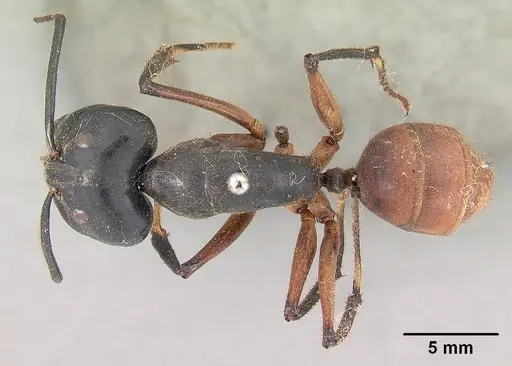
CASENT0102138
View on AntWeb
CASENT0106240
View on AntWeb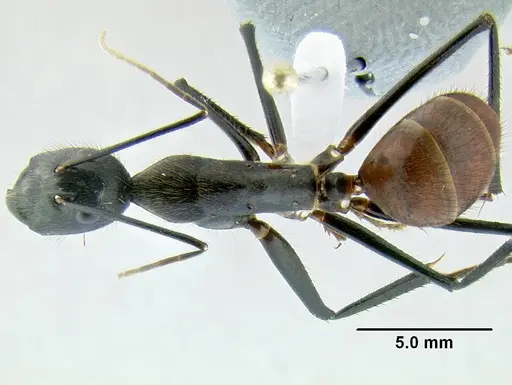
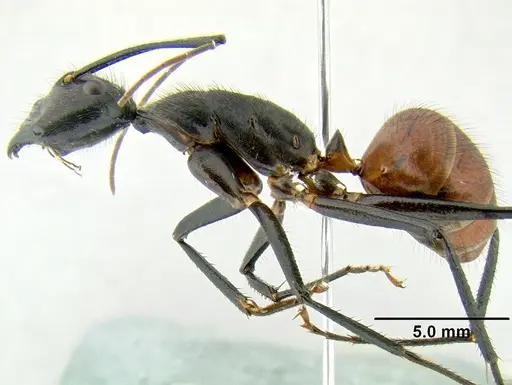
CASENT0179616
View on AntWeb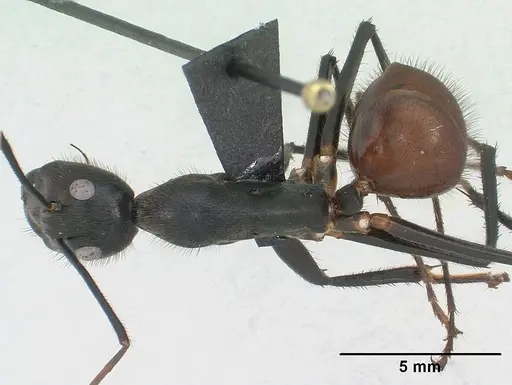
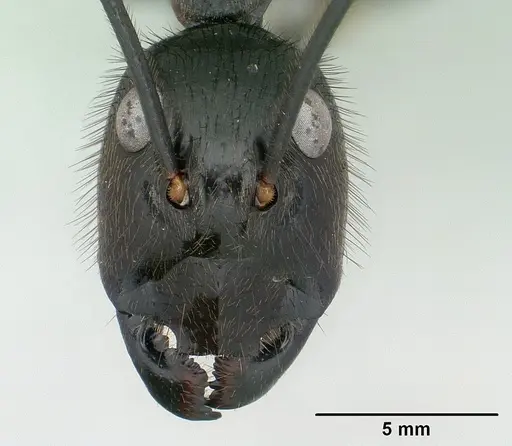
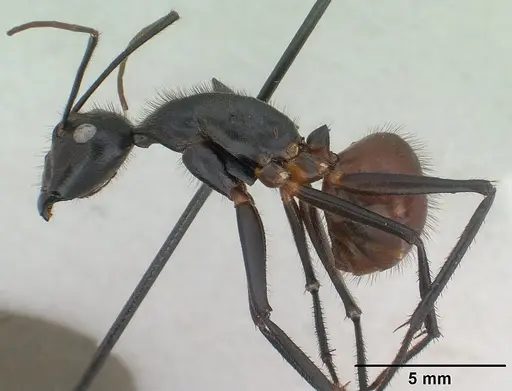
CASENT0179617
View on AntWeb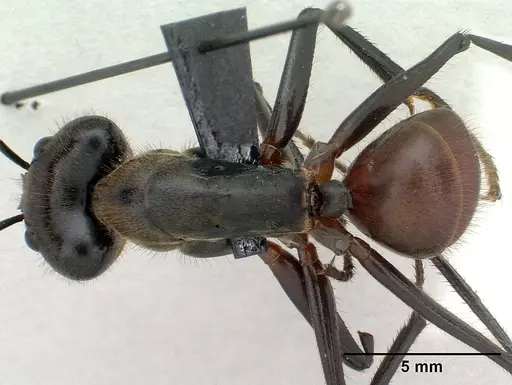
CASENT0280278
View on AntWeb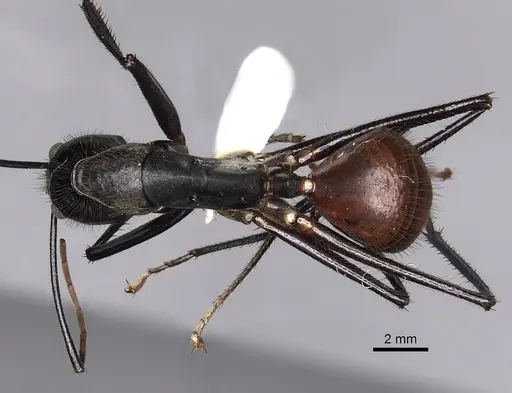
CASENT0280279
View on AntWeb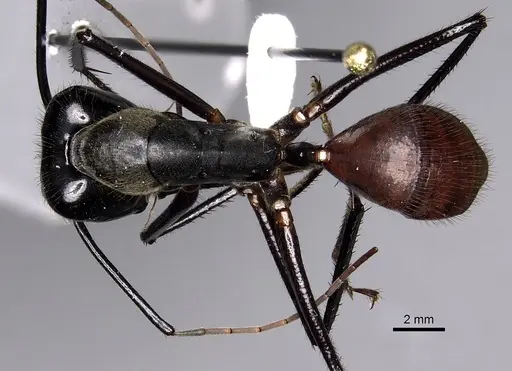
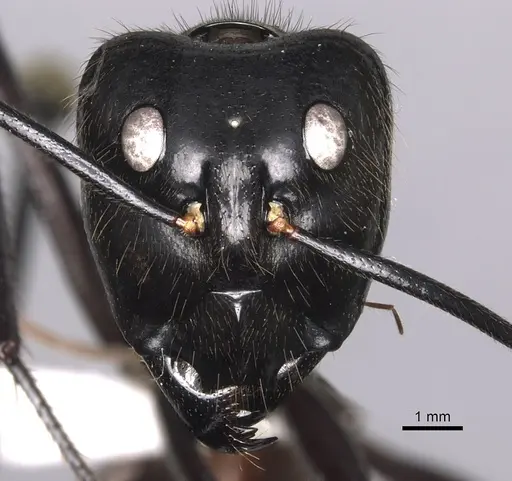
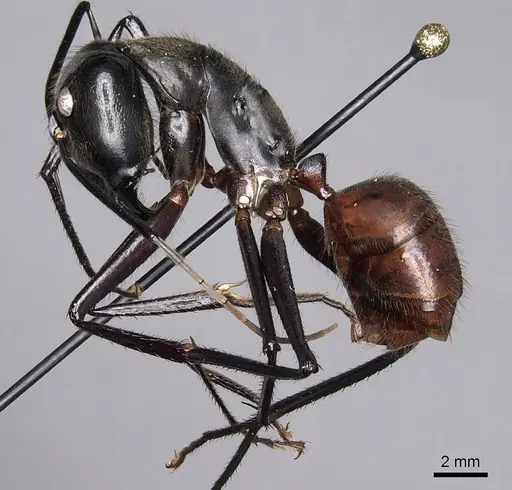
CASENT0905185
View on AntWeb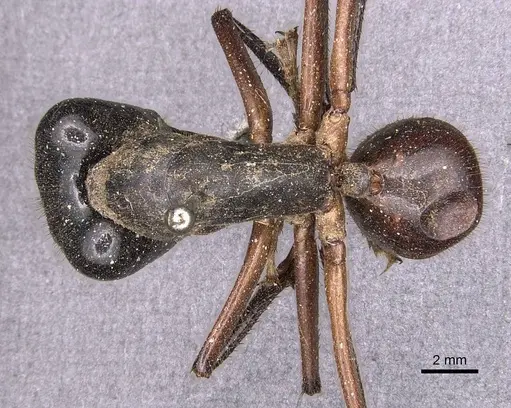
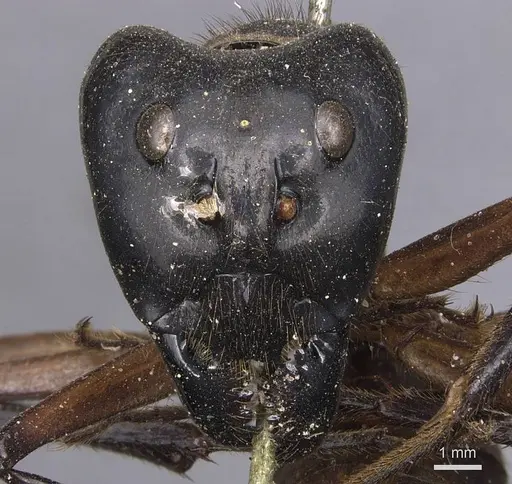
CASENT0905186
View on AntWeb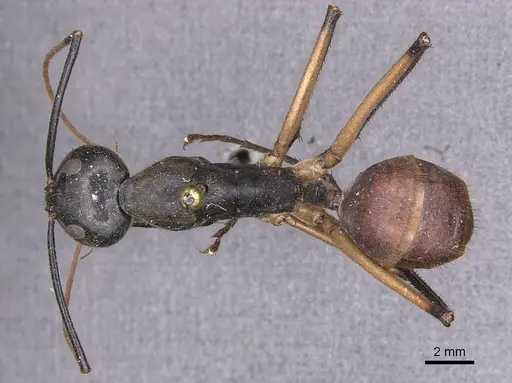
FMNHINS0000045763
View on AntWeb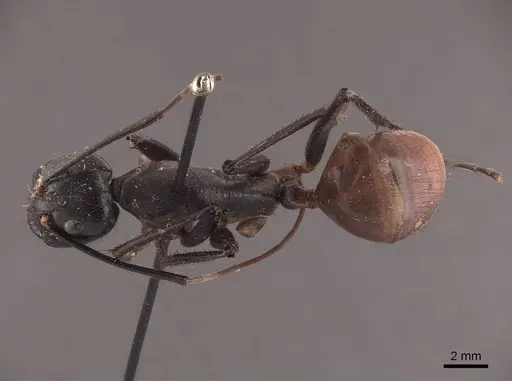
Literature
Loading distribution map...Loading products...