
Hagensia havilandi
- Sci. Name
- Hagensia havilandi
- Tribe
- Ponerini
- Subfamily
- Ponerinae
- Author
- Forel, 1901
- Distribution
- Found in 1 countries
Introduction
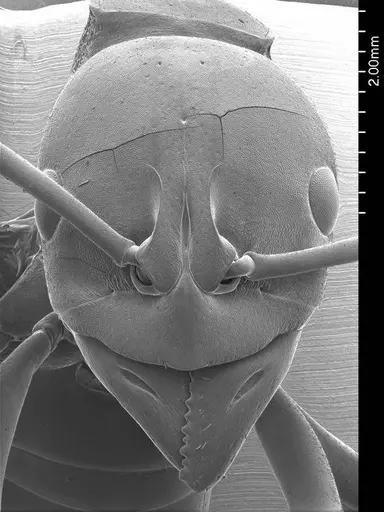
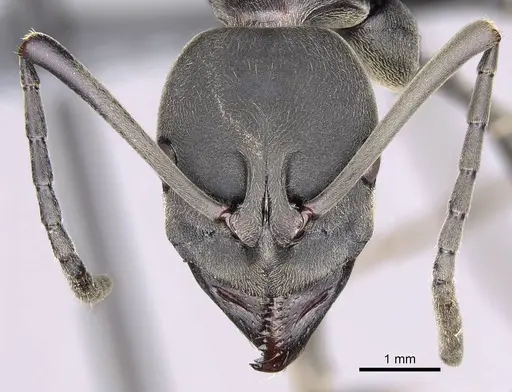
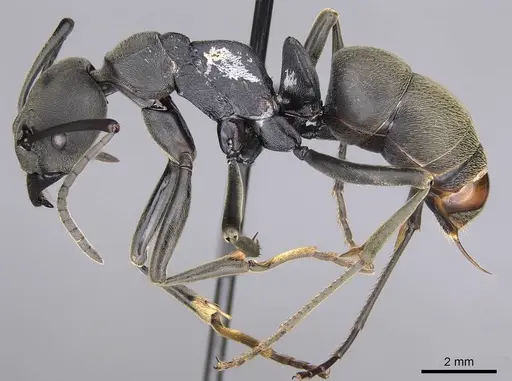
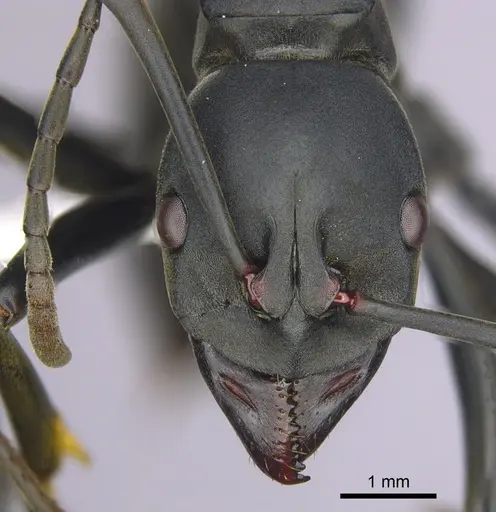
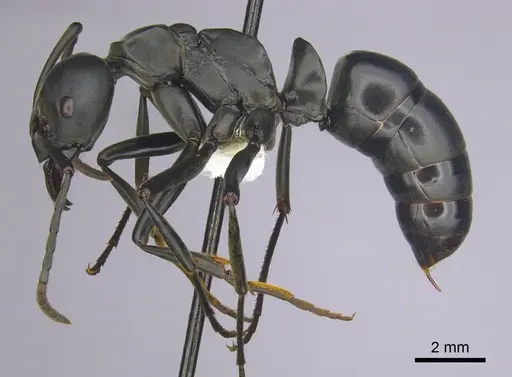
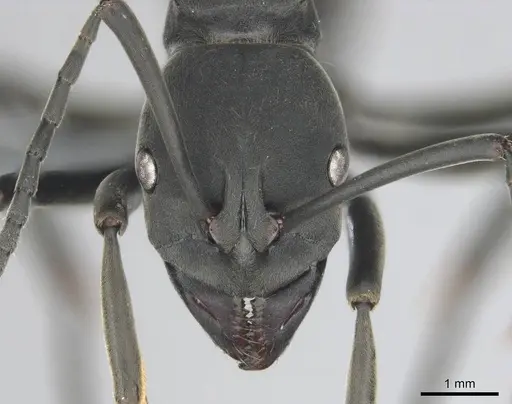
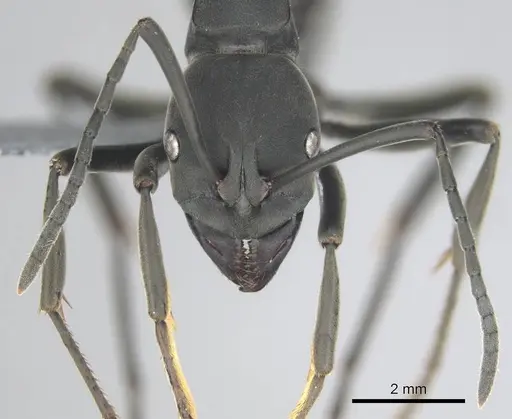
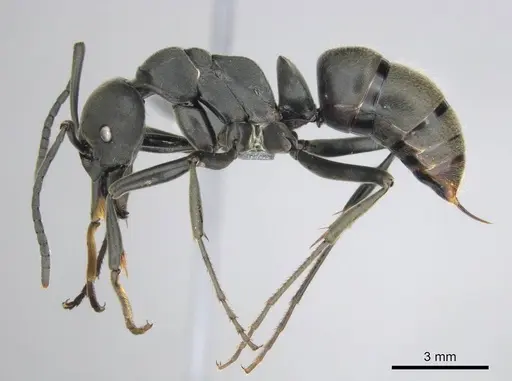
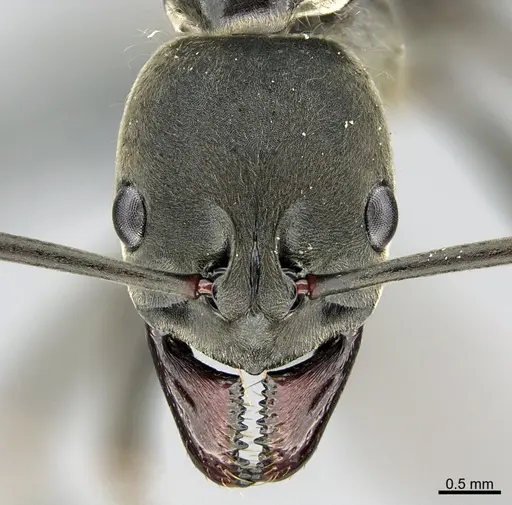
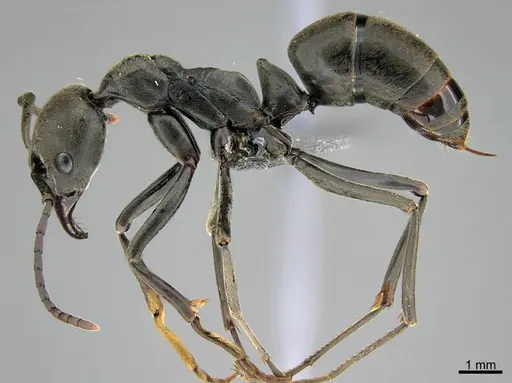
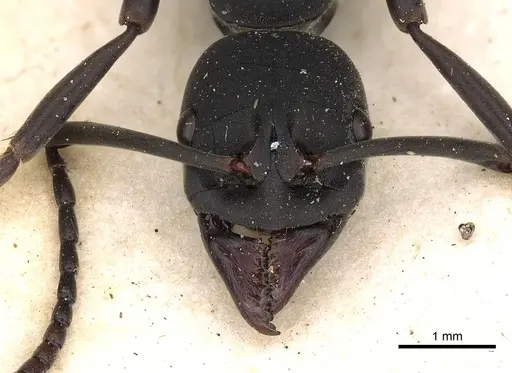
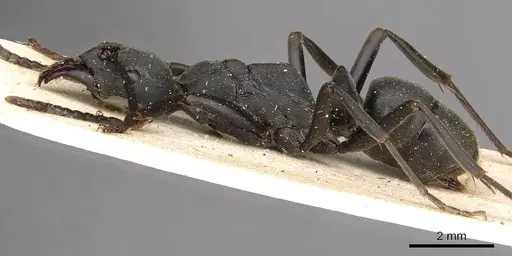
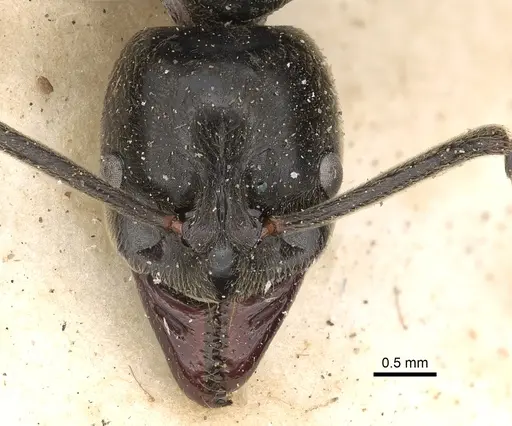
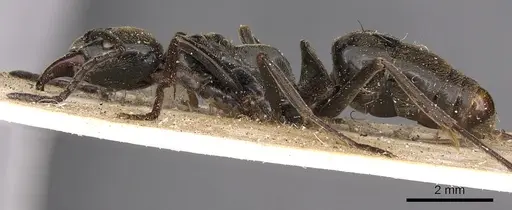
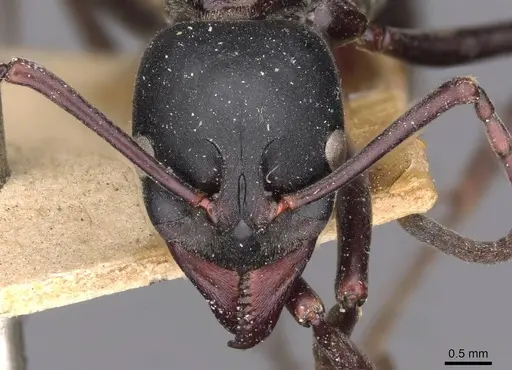
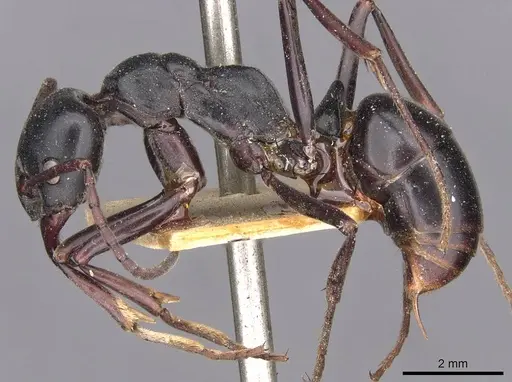
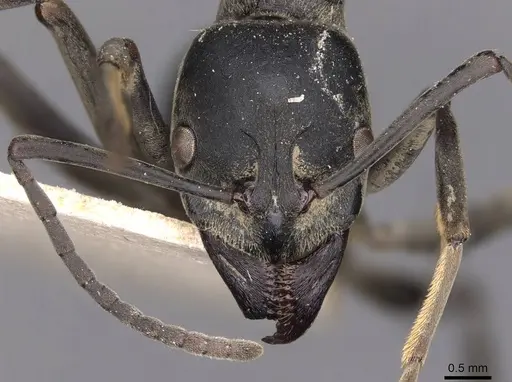
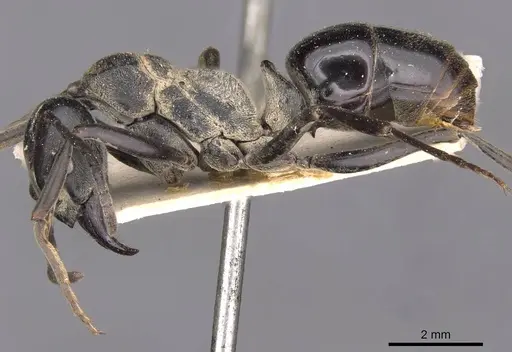
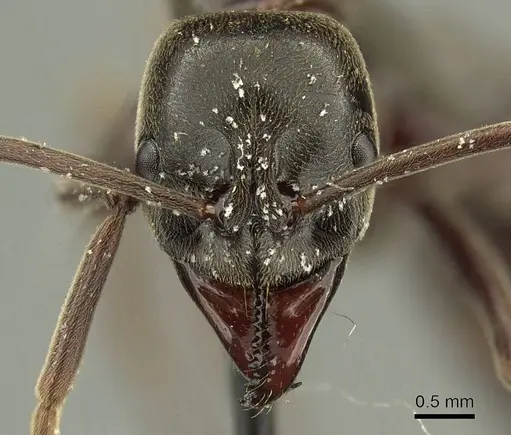
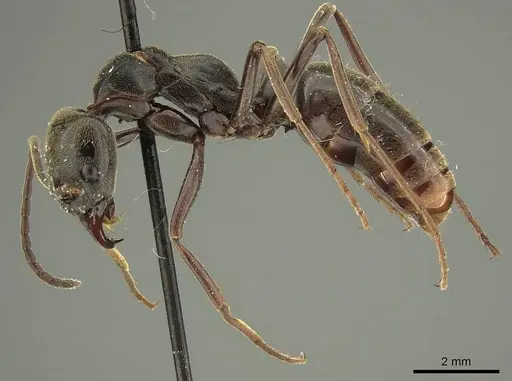
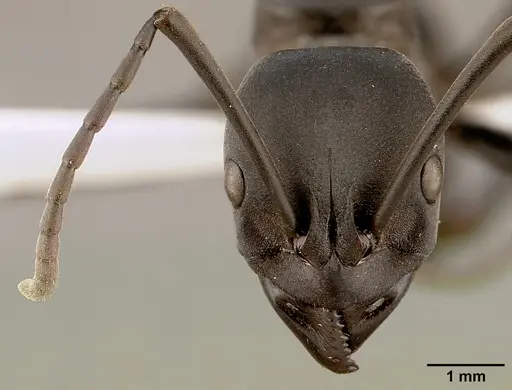
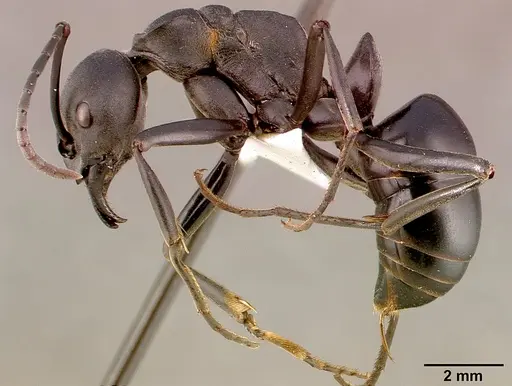
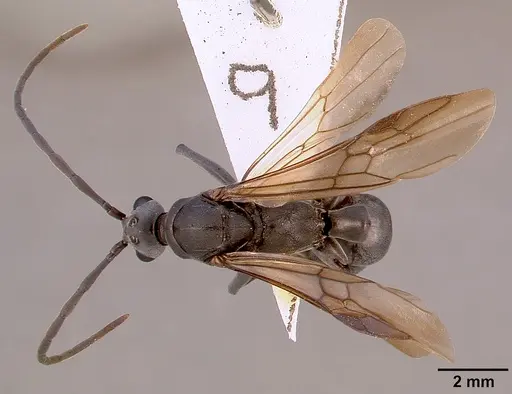
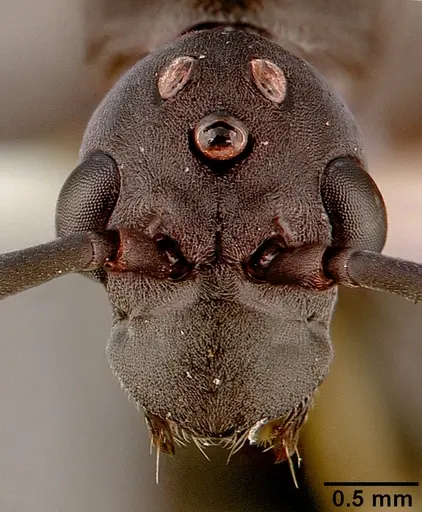
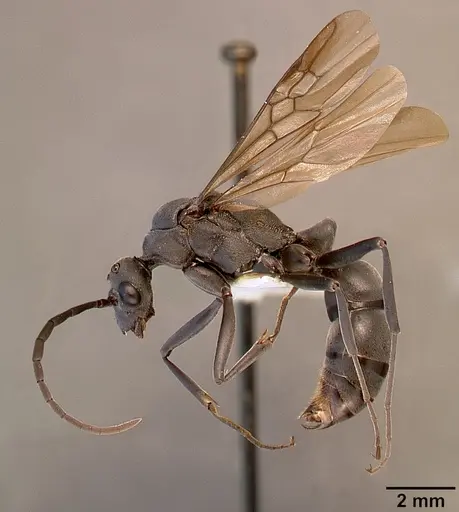
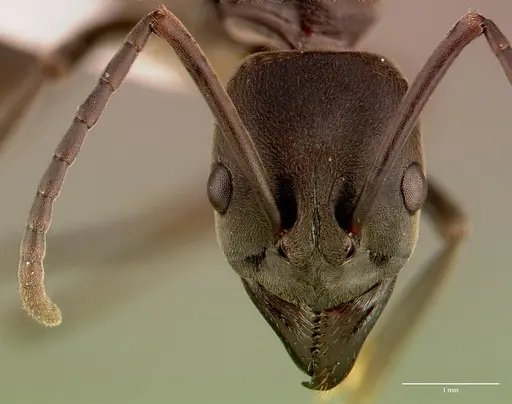
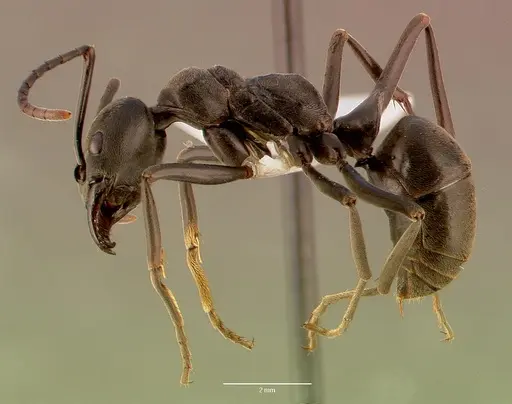
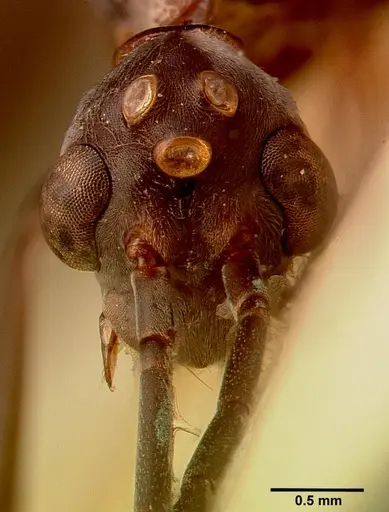
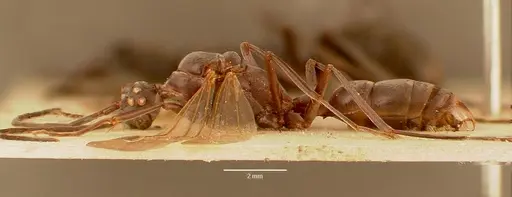
Hagensia havilandi is a medium-sized ponerine ant native to South Africa and Eswatini. Workers have a matt body surface and an elongated head (about one‑quarter longer than wide) with closely striolate mandibles . This species is unusual because it has completely lost the queen caste - reproduction is done by a single mated worker called a gamergate . Colonies are small, with 10 to 50 workers . They nest in subterranean burrows in soil, often on sloping banks, with small entrance holes about 5 mm wide . There is conflicting information about their activity: some studies report diurnal solitary foraging using visual cues, while others describe crepuscular or nocturnal behavior .
Quick Summary
- Difficulty: Hard
- Origin & Habitat: Afrotropical region: South Africa and Eswatini. Found in coastal and forested areas, nesting in soil on sloping banks, often near beach bush [1].
- Colony Type: Queenless, reproduction is handled by a single mated gamergate (a worker that becomes reproductive). The queen caste has been lost entirely. There is no dominance hierarchy among workers [1].
- Size & Growth:
- Queen: N/A, queen caste has been lost [1]
- Worker: ~12 mm
- Colony: Up to 50 workers [1]
- Growth: Slow, colonies stay small and worker production is limited
- Development: Not documented, typical ponerine development at warm temperatures is slow, likely 6-12 weeks or more (Development depends on temperature and food availability.)
- Antkeeping:
- Temperature: Keep at 22-26 °C with a gradient. Avoid extremes above 30 °C or below 15 °C. As a South African species, warm but not hot conditions suit them best.
- Humidity: Moderate to high. Provide a moisture gradient in the nest, keep part of the substrate moist but not waterlogged, with drier areas available.
- Diapause: Unknown. They come from a temperate region, so a mild winter rest (8-12 weeks at 15-18 °C) may be beneficial, but this is not confirmed in captivity.
- Nesting: Subterranean nester. They prefer soil‑based setups where they can dig their own tunnels. Use test tubes with dirt or naturalistic formicaria with soil chambers.
- Behavior: Relatively docile toward keepers. They have a functional sting (typical of Ponerinae) but rarely use it unless provoked. Foraging is solitary, they hunt alone in leaf litter, using visual cues rather than chemical trails. Note: their activity time is debated, they may be diurnal, crepuscular, or nocturnal depending on local conditions [1]. Workers are large enough that standard escape barriers work, but they are active foragers.
- Common Issues: small colony size means any losses hit hard, disturb the colony as little as possible., the colony relies on a single gamergate, if she dies and no replacement is mated, the colony will die out., ponerines can be sensitive to husbandry mistakes, maintain stable temperature and humidity., solitary foraging makes food discovery slower, check food items regularly and offer prey in the outworld., since the queen caste is gone, captive breeding is impossible unless new gamergates are produced through mating., activity pattern may be nocturnal or crepuscular, monitor to find the best feeding times.
Colony Structure and Reproduction
Hagensia havilandi is one of the rare queenless ants. The queen caste has been lost, and reproduction is carried out by a single mated worker called a gamergate. Only one gamergate reproduces in a colony, and there is no dominance hierarchy among workers, all are equal [1]. Because there is no queen, colonies can only grow through the gamergate laying eggs, and the colony will eventually die if the gamergate is not replaced. Colony size stays small, typically 10-50 workers [1].
Foraging Behavior
Workers forage solitarily, they do not use chemical recruitment trails. Instead, they hunt alone in leaf litter, navigating by visual cues [1]. Occasional tandem running (one worker leading another to food) has been observed [1]. Their prey includes small invertebrates and some plant matter. There is disagreement in the literature about their activity time: some studies describe exclusively diurnal foraging, while others report crepuscular or nocturnal foraging [1]. In captivity, you may need to experiment to see when your colony is most active.
Nesting and Housing
In the wild, Hagensia havilandi nests underground in soil, often on sloping banks. The nest entrance is a small hole about 5 mm wide, sometimes marked by a pile of excavated soil [1]. For captive care, provide a soil‑based nest, either a test tube with moist substrate or a naturalistic formicarium with soil chambers. They prefer to dig their own tunnels rather than use pre‑made acrylic channels. Create a humidity gradient with one area moist and the rest dry. A small outworld for foraging completes the setup.
Temperature and Seasonal Care
As a South African species from coastal and forested areas, Hagensia havilandi prefers warm conditions. Keep the nest at 22-26 °C with a gradient so the ants can choose their preferred spot. Room temperature within this range usually works. Avoid prolonged temperatures above 30 °C or below 15 °C. Their native climate has mild winters, so a gentle winter rest (8-12 weeks at 15-18 °C) may be beneficial, but this is not well‑documented in captivity. Watch for reduced activity as a sign they need a cooler period.
Defense and Handling
Like most Ponerinae, Hagensia havilandi has a functional sting that can deliver a moderately painful venom. However, they are not aggressive and usually flee rather than sting when disturbed. The sting is not dangerous to healthy humans. Because of their small colony size, handle them gently and avoid unnecessary disturbance. Standard escape barriers (e.g., fluon or oil) work well, as workers are not particularly small. When moving the colony to a new nest, give them time to adjust.
Frequently Asked Questions
How do Hagensia havilandi colonies reproduce without a queen?
They use a gamergate system, a mated worker takes over reproduction. This worker mates with males from other colonies and lays eggs. Only one worker per colony reproduces, and there is no dominance hierarchy among workers [1].
How big do Hagensia havilandi colonies get?
Colonies are small, reaching only 10 to 50 workers at maturity [1]. This is normal for the genus and related to their queenless social structure.
What do Hagensia havilandi eat?
They are predatory ants that hunt small invertebrates in leaf litter. Their diet includes a diversity of prey and some plant matter [1]. In captivity, offer small live prey like fruit flies, small crickets, or other tiny insects. Protein‑rich foods are essential.
Are Hagensia havilandi good for beginners?
They are considered hard. Their queenless social structure and small colony size make them more vulnerable to mistakes. Some antkeeping experience is recommended. Their unique gamergate reproduction makes them fascinating for advanced keepers.
Do Hagensia havilandi need hibernation?
This is not well documented. As a temperate South African species, a mild winter rest (8-12 weeks at 15-18 °C) may be beneficial, but it is not confirmed in captivity. Watch for reduced activity as a possible cue.
What temperature should I keep Hagensia havilandi at?
Keep them at 22-26 °C with a gradient. They prefer warm but not hot conditions. Avoid temperatures above 30 °C or below 15 °C.
How do Hagensia havilandi forage?
They forage solitarily, hunting alone rather than in groups. Workers use visual cues for navigation instead of chemical pheromone trails. Occasional tandem running has been observed [1]. Their activity may be diurnal, crepuscular, or nocturnal depending on conditions [1].
Can I keep multiple Hagensia havilandi queens together?
This species has no queen caste. Reproduction is handled by gamergate workers. You cannot combine queens because there are no queens. Each colony has its own gamergate.
What type of nest should I use for Hagensia havilandi?
Soil‑based setups work best. They like to dig their own tunnels in moist substrate. Use test tubes with dirt or a naturalistic formicarium with soil chambers. In the wild they nest in soil [1].
Report an Issue
The current care sheet is based fully on literature. See inconsistencies, or something that's incorrect? Please , it will be resolved after review from an admin. Contributing to the blogs tab also helps providing information, to make us be able to further improve the caresheets. Thank you for your support!
References

This caresheet is licensed under CC BY-SA 4.0 .
Community Blogs
ANTWEB1008566
View on AntWeb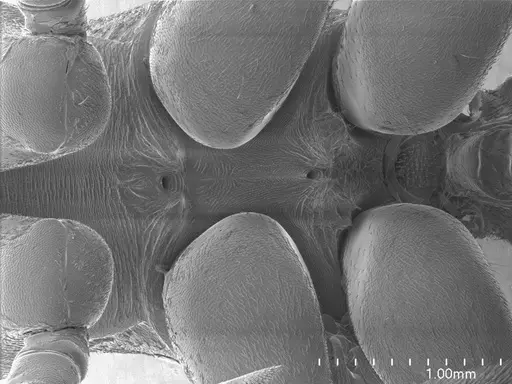
CASENT0007651
View on AntWeb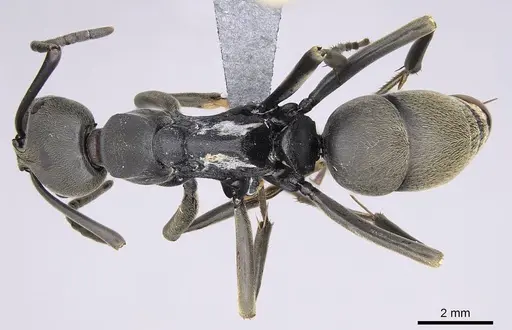
CASENT0249202
View on AntWeb
CASENT0813002
View on AntWeb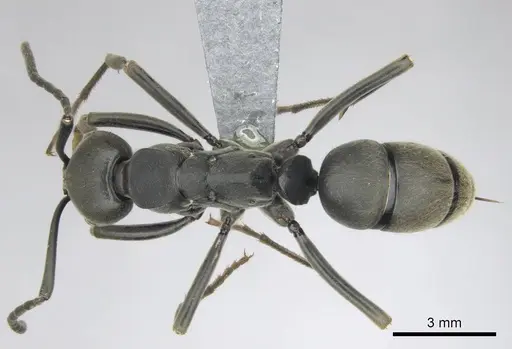
CASENT0888244
View on AntWeb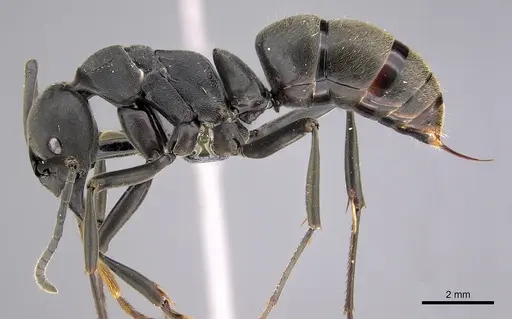
CASENT0888533
View on AntWeb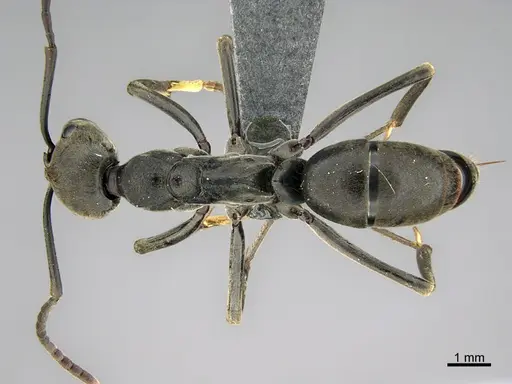
CASENT0900676
View on AntWeb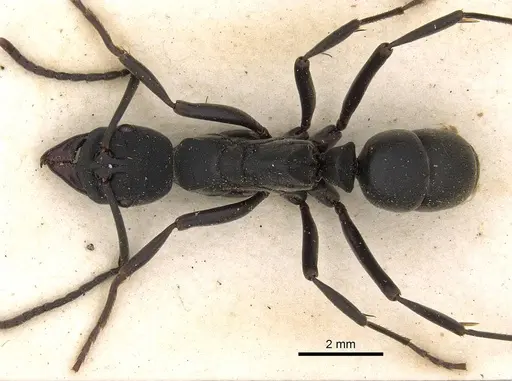
CASENT0900678
View on AntWeb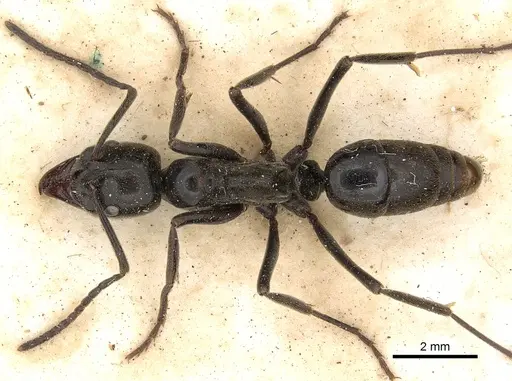
CASENT0907231
View on AntWeb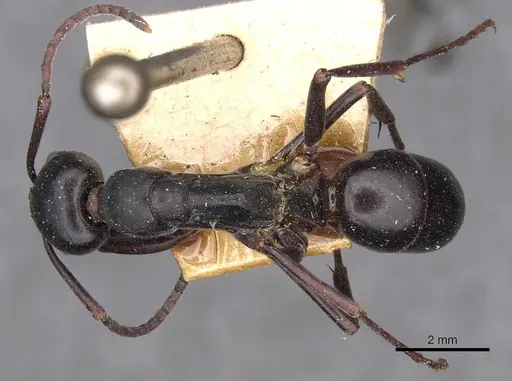
CASENT0907232
View on AntWeb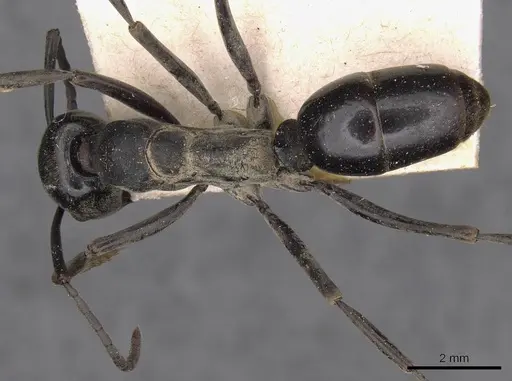
CASENT0915664
View on AntWeb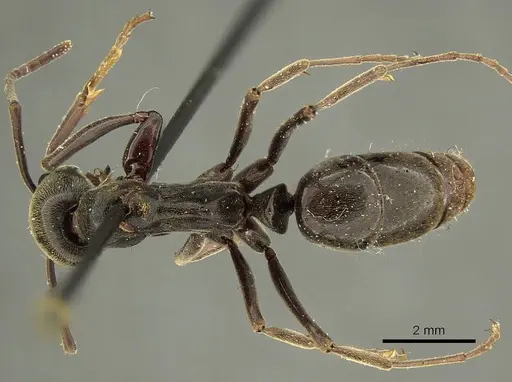
SAM-HYM-C001445A
View on AntWeb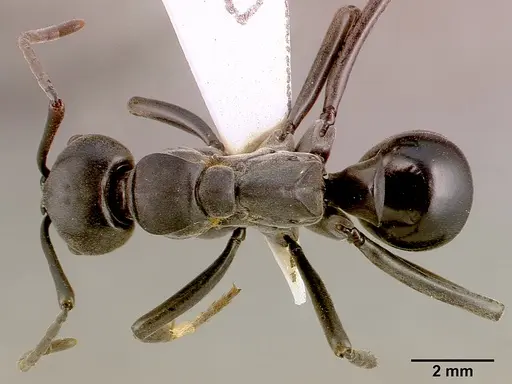
SAM-HYM-C001445B
View on AntWeb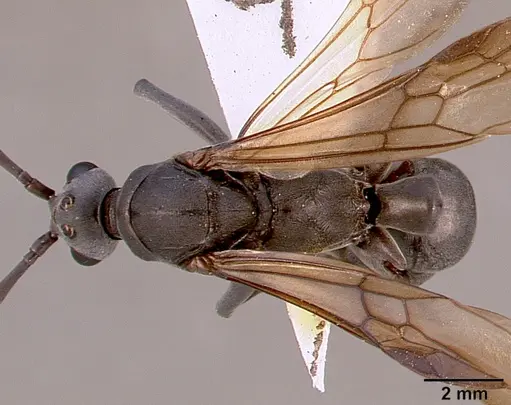
SAM-HYM-C005378A
View on AntWeb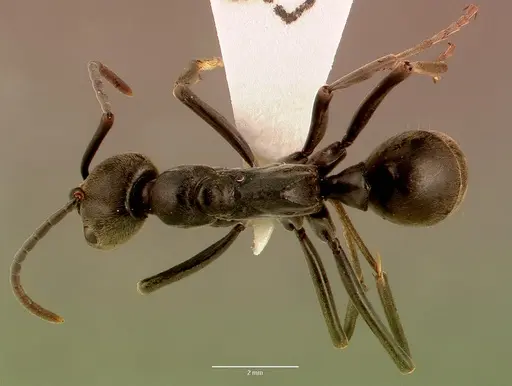
SAM-HYM-C005761A
View on AntWeb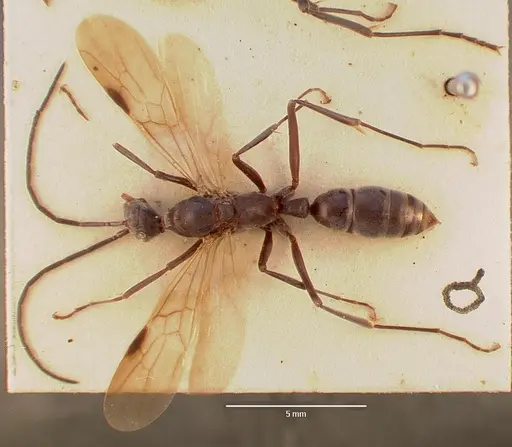
Literature
Loading distribution map...Loading products...