
Myopopone castanea
- Sci. Name
- Myopopone castanea
- Tribe
- Amblyoponini
- Subfamily
- Amblyoponinae
- Author
- Smith, 1860
- Distribution
- Found in 9 countries
Introduction
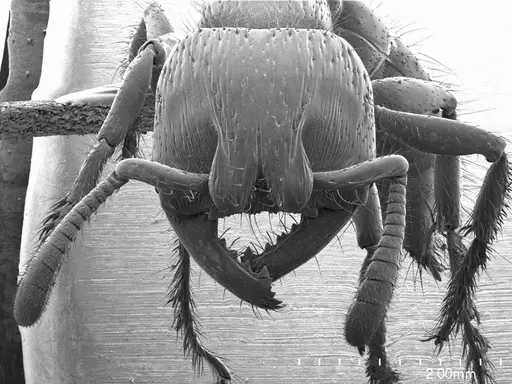
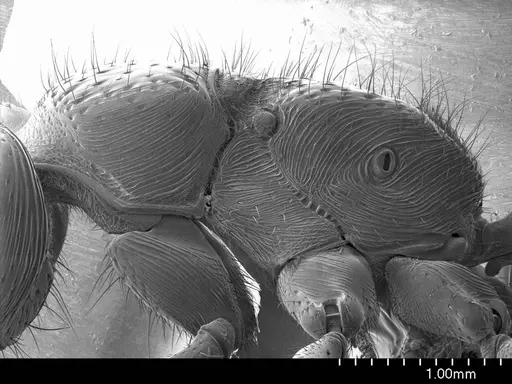
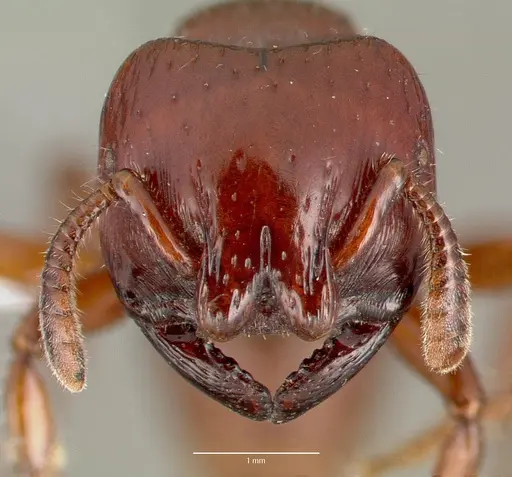
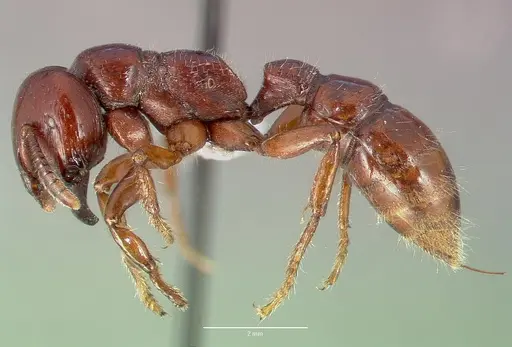
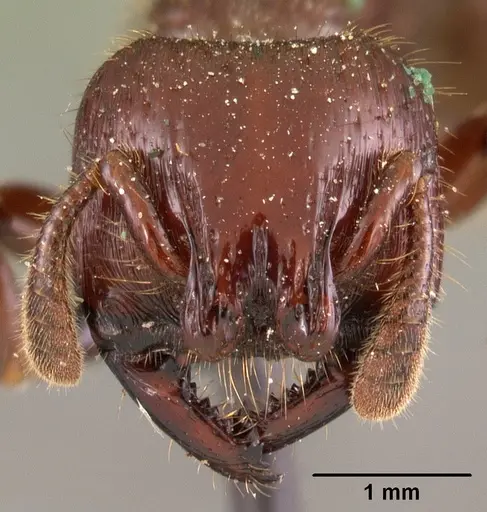
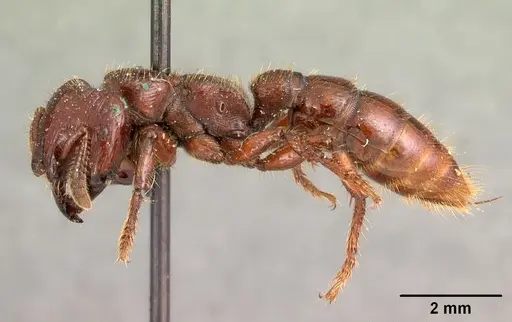
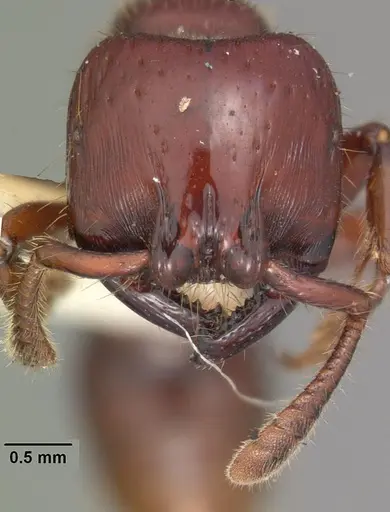
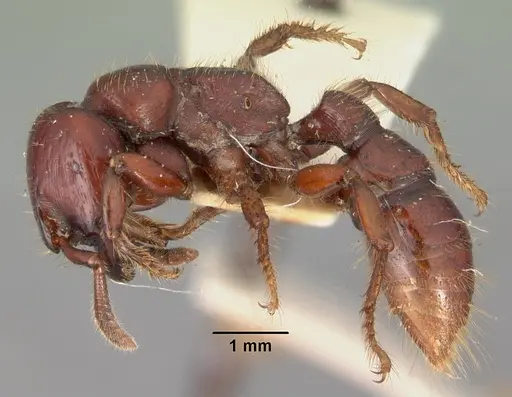
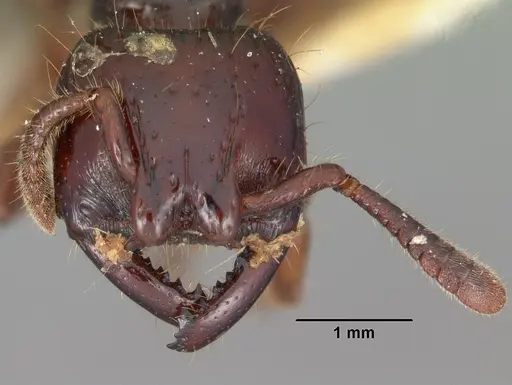
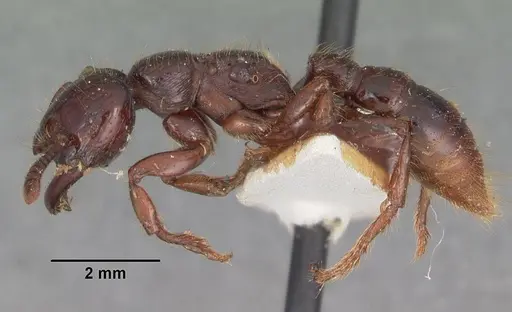
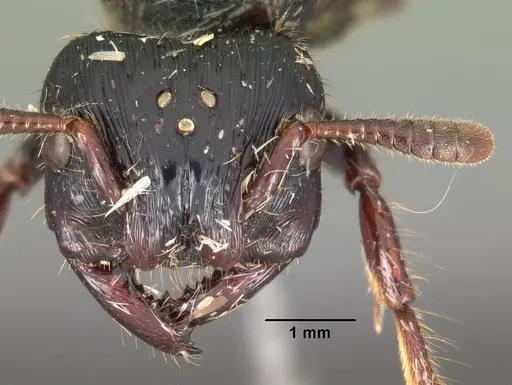
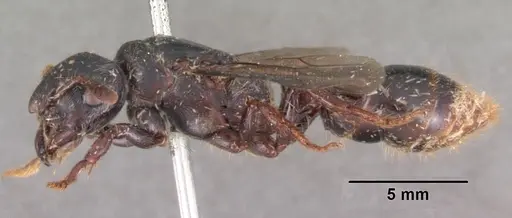
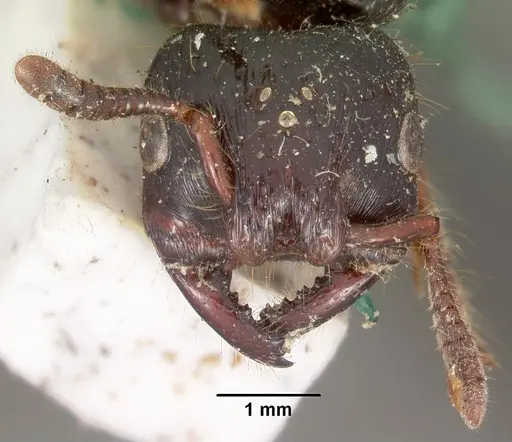
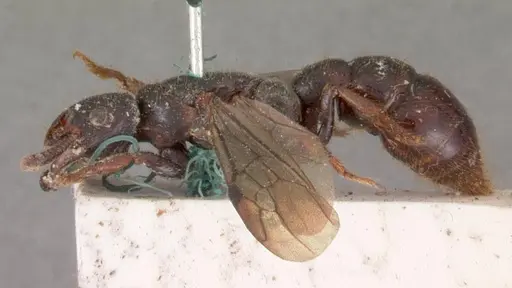
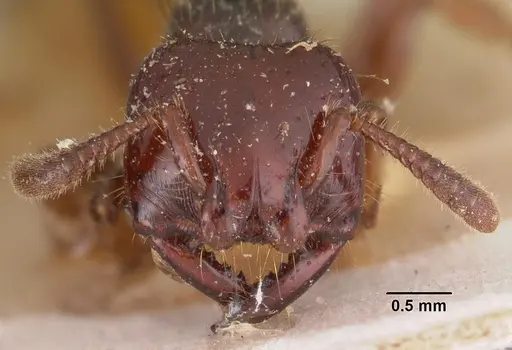
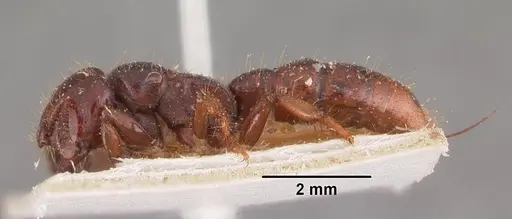
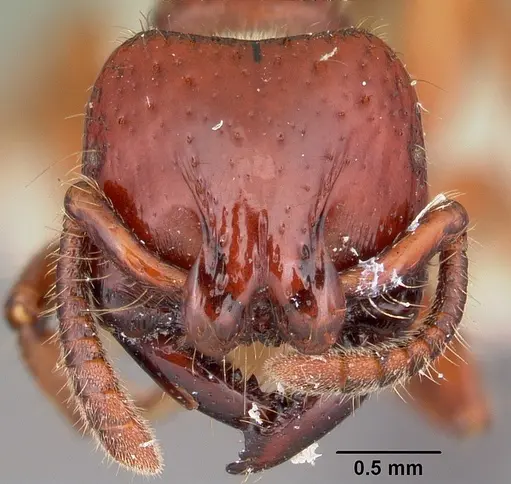
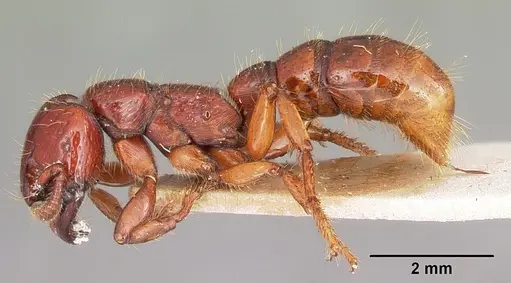
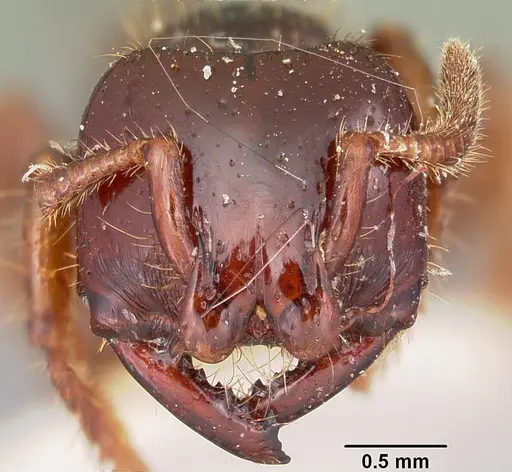
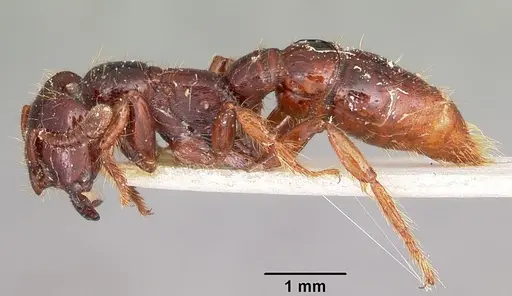
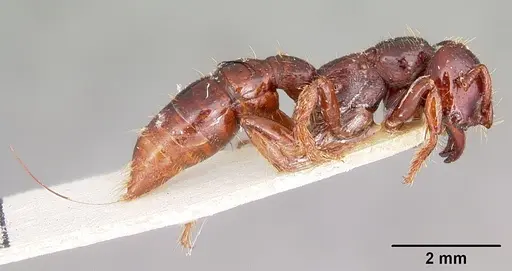
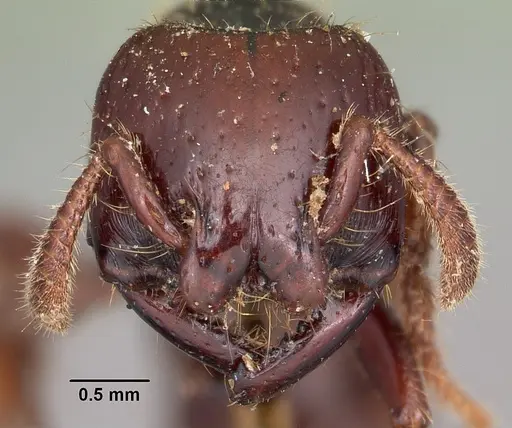
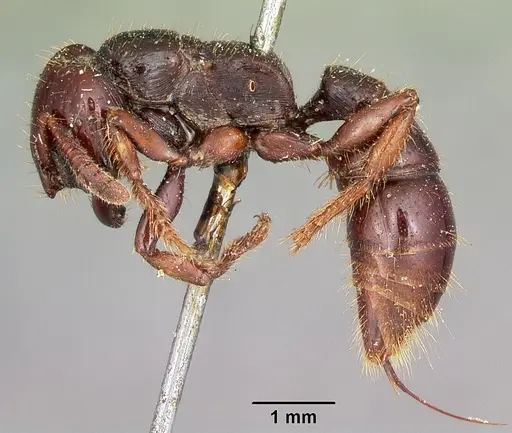
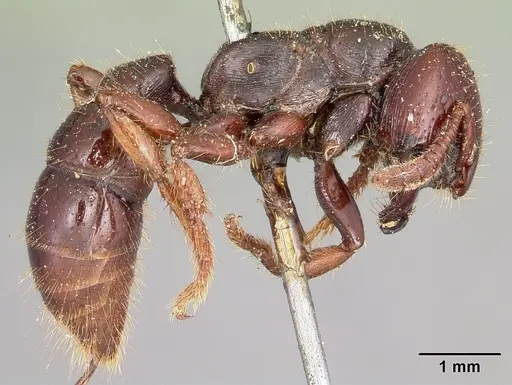
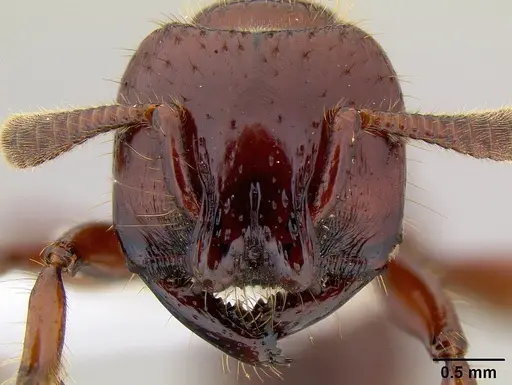
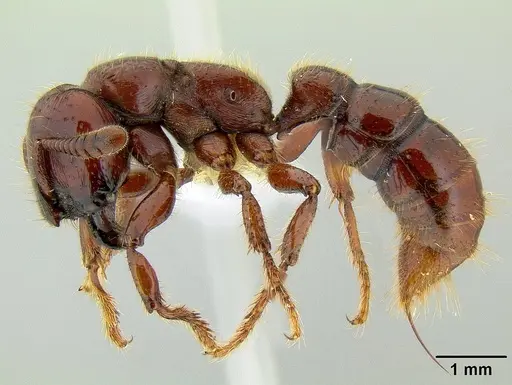
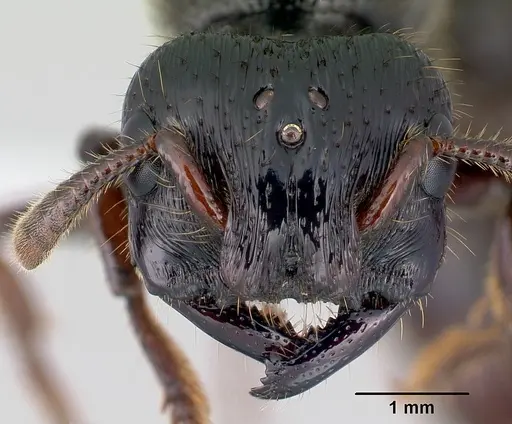
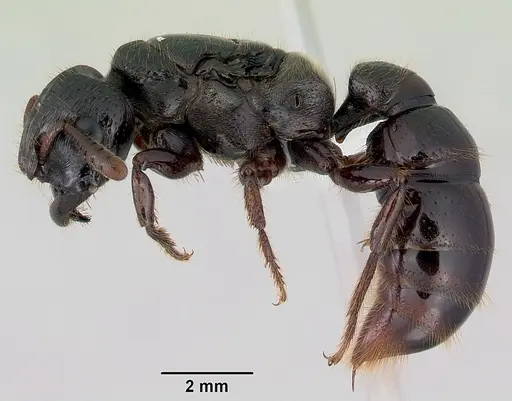
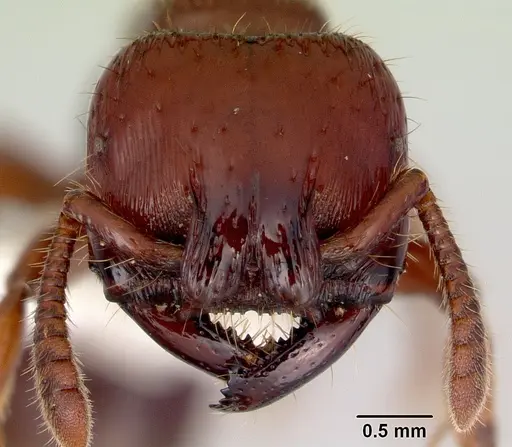
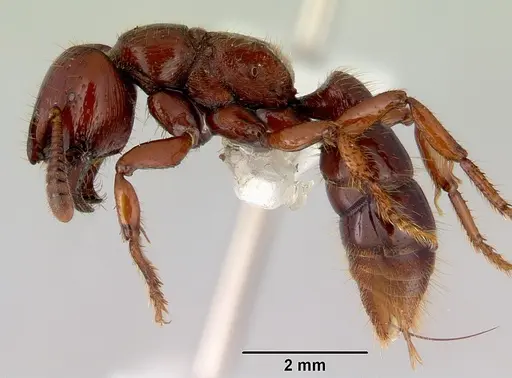
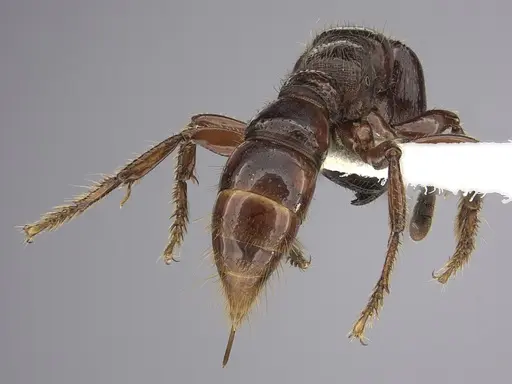
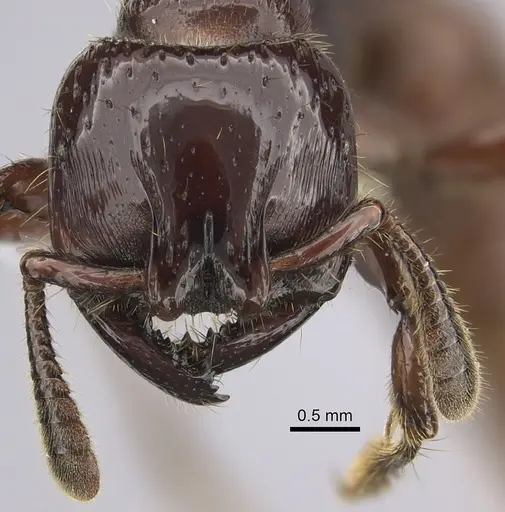
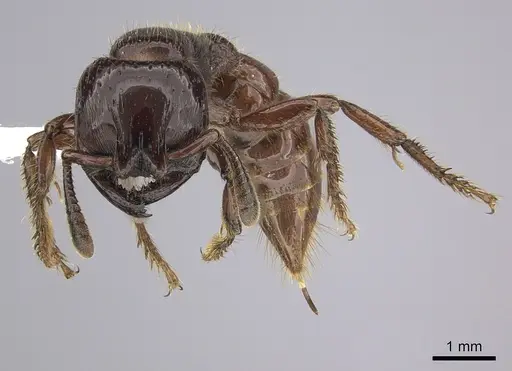
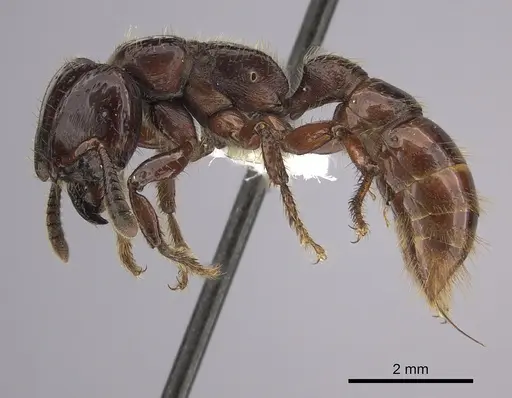
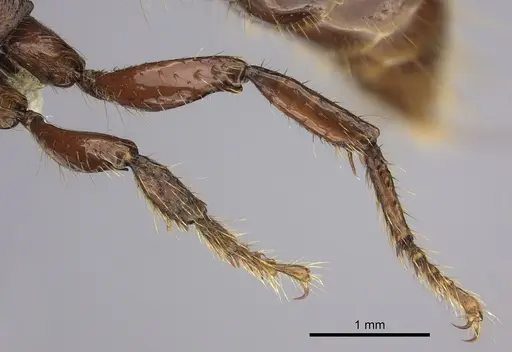
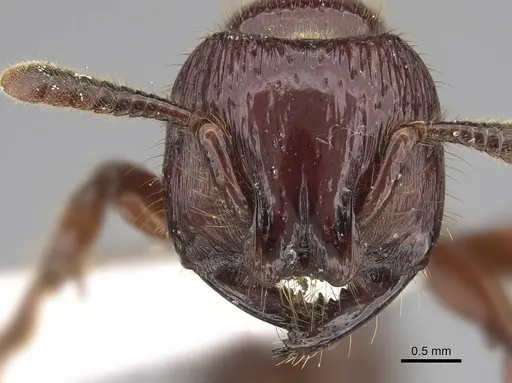
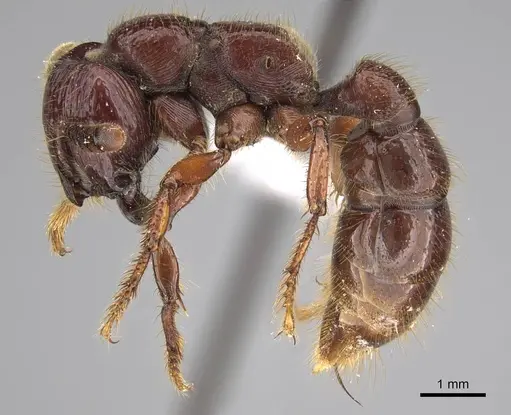
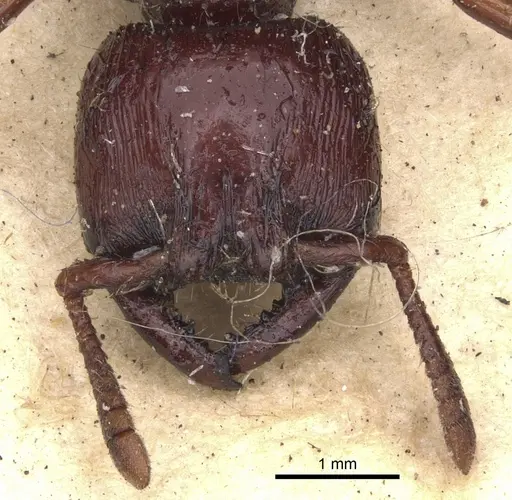
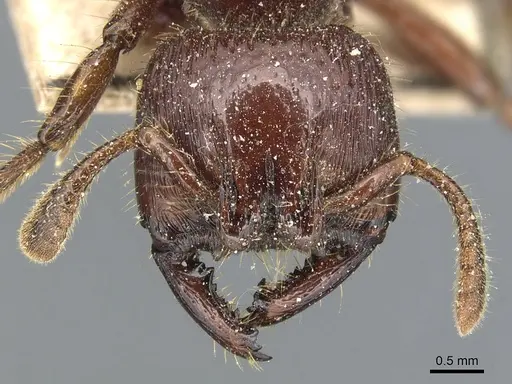
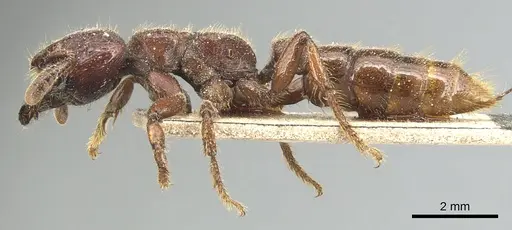
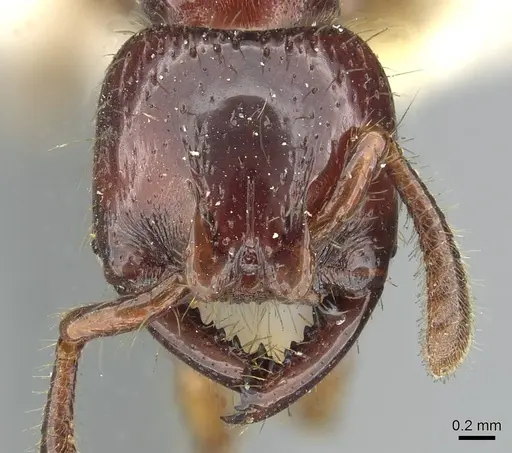
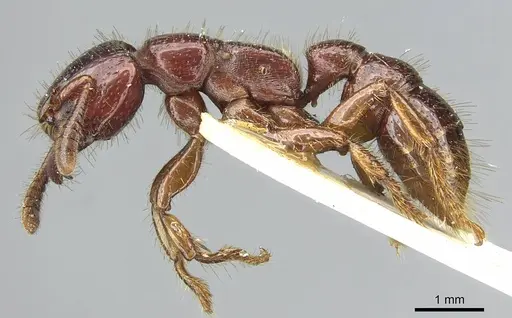
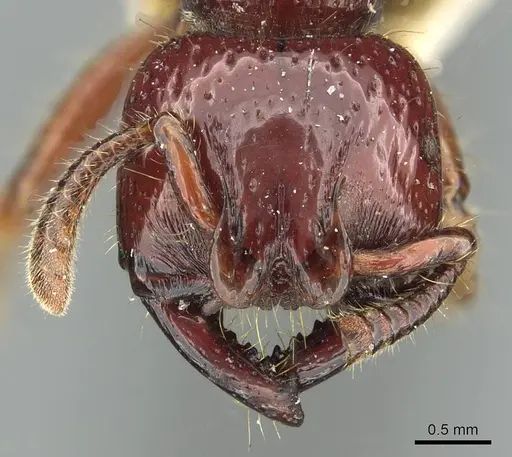
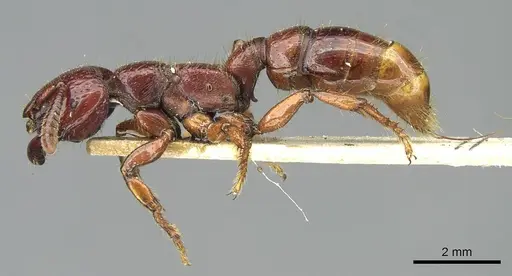
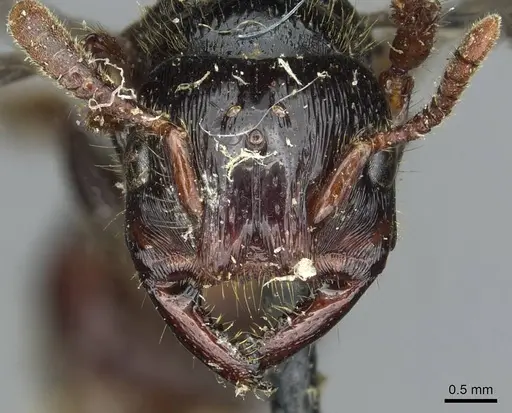
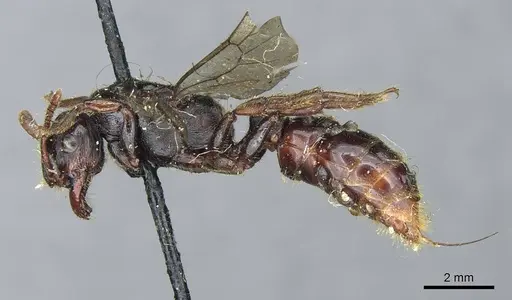
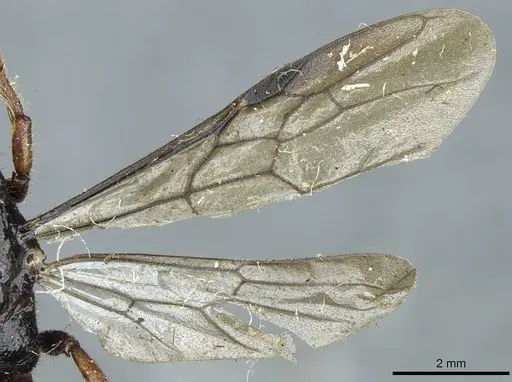
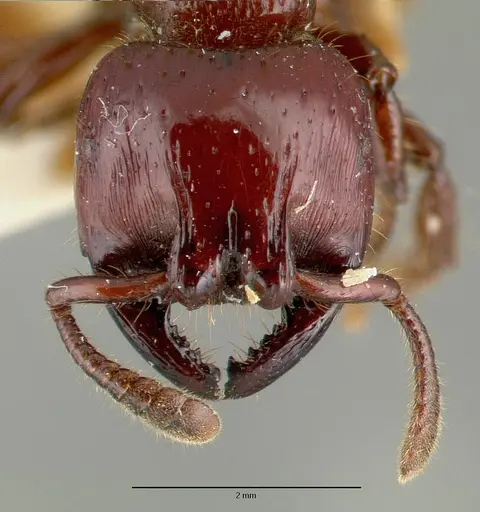
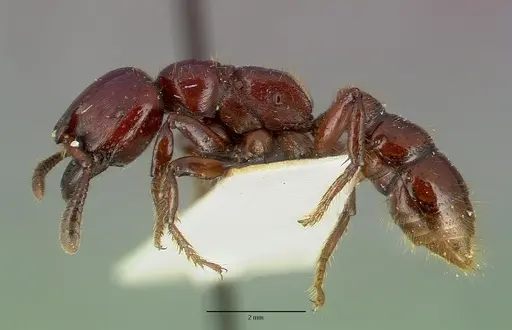
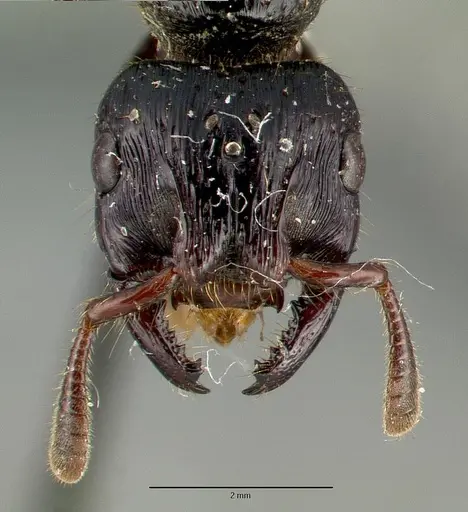
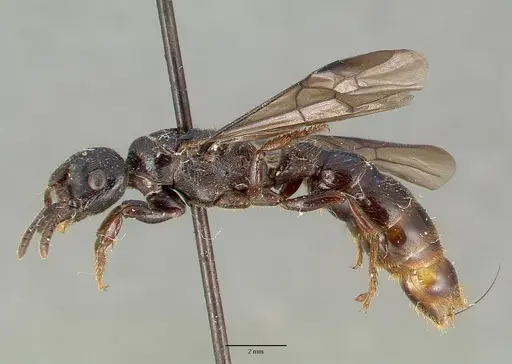
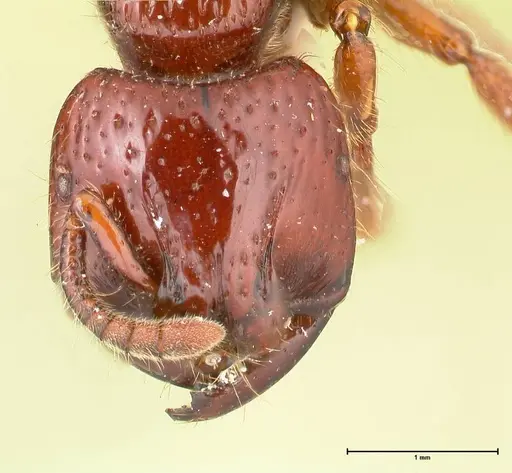
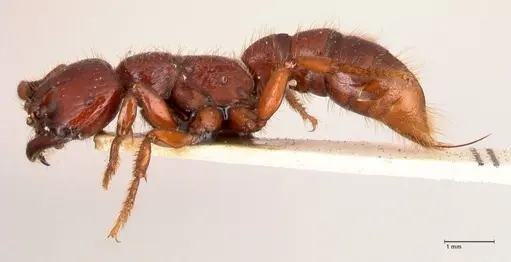
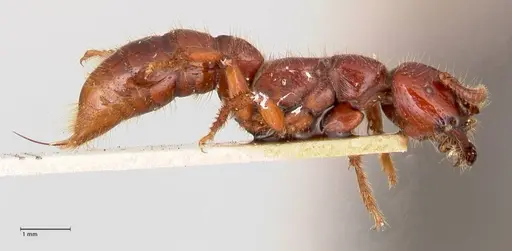
Myopopone castanea is the only species in its genus, found across a vast range from Sri Lanka through Southeast Asia to Australia. Workers are medium-sized at 7.3-8.7 mm with a distinctive reddish-brown coloration and unusually long, slender mandibles lined with multiple teeth. The most striking feature is their expanded frontal lobes that protrude forward over the head. Queens are considerably larger at 13.7 mm and jet black with reddish-brown accents. These ants live in rotten wood in tropical and subtropical forests . This species is famous for its 'dracula ant' behavior - workers feed on the hemolymph (body fluid) of their own larvae through a process called larval hemolymph feeding (LHF). Workers pinch larvae with their mandibles and lick hemolymph from small wounds. This bizarre feeding mode is a key characteristic of the Amblyoponinae subfamily. They are also specialist predators of beetle larvae, using their powerful mandibles and sting to paralyze prey before carrying them back to the nest .
Quick Summary
- Difficulty: Medium
- Origin & Habitat: Tropical and subtropical forests across Southeast Asia and Australasia, from Sri Lanka east to the Philippines, south through Indonesia and New Guinea to Australia. They nest in dead logs and fallen branches in rotting wood that is still relatively hard [1][3][5].
- Colony Type: Single-queen colonies (monogyne). Colonies show strong queen-worker dimorphism with queens significantly larger than workers. Workers vary in size but lack discrete subcastes, this variation helps them hunt prey in tunnels of different sizes within decaying wood [3].
- Size & Growth:
- Queen: 13.7 mm total length [1]
- Worker: 7.3-8.7 mm total length [1]
- Colony: Size data unavailable, no specific colony size documentation found in research
- Growth: Moderate
- Development: Estimated 8-12 weeks at 24-26°C based on related Amblyoponinae species (Direct development data unavailable. Queen has 24-32 ovarioles, workers have 6-22,with larger workers having more ovarioles [3].)
- Antkeeping:
- Temperature: Keep at 24-26°C. One colony was successfully maintained at 25°C in laboratory conditions [6]. Being a tropical species, they need consistent warmth without temperature swings.
- Humidity: High humidity is essential, these are rainforest ants. Keep nest substrate consistently moist but not waterlogged. Provide a water tube as a humidity source.
- Diapause: No, as a tropical species they do not require hibernation.
- Nesting: Naturally nest in rotten wood. In captivity, they do well in naturalistic setups with rotting wood pieces or in plaster nests with high humidity. They prefer tight, enclosed spaces that mimic their natural nest chambers in decaying logs. A polydomous setup with multiple small chambers can work well [5][3].
- Behavior: These ants are shy and clumsy, when exposed to light they immediately search for cover, often abandoning brood in the process [5]. They are specialist predators that hunt alone, stinging and paralyzing large beetle larvae before bringing the paralyzed prey back to the nest. Workers can recruit nestmates through antennation shaking when they find large prey, but prey retrieval is cooperative and slow, often taking over an hour [3]. They have a painful sting and will use it if handled roughly. This species uses sting as its primary defense mechanism.
- Common Issues: high humidity needs make them prone to mold if ventilation is poor, shy nature means they may abandon exposed brood, keep nesting areas dark and enclosed, slow prey retrieval means feeding large prey can be messy, remove uneaten prey promptly, specialized diet limits options, they primarily need live beetle larvae or similar soft-bodied prey, colonies may be difficult to establish from founding queens due to their specific requirements
Housing and Nest Setup
Myopopone castanea naturally nests in rotten wood and under bark in tropical forests. For captivity, a naturalistic setup works best, provide pieces of decaying wood or cork bark that the ants can nest inside. Alternatively, plaster nests with high humidity chambers can work well. The key is providing dark, enclosed spaces that mimic the tight chambers they create in rotting logs. Because they are clumsy and easily stressed by light, cover the nest area to keep it dark. A water tube attached to the nest helps maintain humidity. These ants are not aggressive escape artists, but standard barrier methods still apply [5][3].
Feeding and Diet
This species is a specialized predator on beetle larvae (coleopteran larvae). In the wild, they hunt large cerambycid (longhorn beetle) larvae in rotting logs. In captivity, they readily accept mealworms (Tenebrio molitor), workers can tackle whole mealworms without fragmenting them first [3]. They will sting and paralyze the prey, then suck the hemolymph (body fluids). For larger prey like full-grown mealworms, multiple workers may cooperate. They do NOT accept termites or other typical ant foods, this is a highly specialized diet. Feed live or freshly killed beetle larvae when possible. Remove uneaten prey within 24 hours to prevent mold. A colony of 25 workers can consume 4-5 small larvae per day [4].
The Dracula Ant Phenomenon
One of the most fascinating aspects of this species is larval hemolymph feeding (LHF). Workers pinch the larvae with their mandibles, creating small wounds, then lick hemolymph (the liquid that circulates in insect bodies) from these wounds. This behavior has been observed repeatedly in laboratory colonies, during 14 hours of observation of an orphan colony with 25 workers, LHF was observed 38 times, with 12 of the 25 workers participating [3]. Some workers specialize in this behavior, one worker performed over 50% of all LHF observed. Many large larvae have visible scars from repeated LHF. This is not harmful to the larvae in moderation and appears to be a normal part of colony nutrition in this subfamily. In captivity, workers may perform LHF more frequently when protein prey is limited [6].
Temperature and Seasonal Care
As a tropical species from Southeast Asia and northern Australia, Myopopone castanea requires warm, stable temperatures. Laboratory colonies have been successfully maintained at 25°C [6]. Aim for 24-26°C as a target range. They do not require hibernation or diapause, being from tropical regions, they expect year-round warmth. Room temperature may be sufficient if your home stays in the low-mid 20s°C range, otherwise use a gentle heat source like a heating cable on one side of the nest. Avoid temperature fluctuations and keep them away from air conditioning vents or cold windows. High ambient humidity is also important, these ants come from rainforest environments.
Behavior and Handling
These ants are notably shy and clumsy. When exposed to light, they immediately search for cover and will abandon brood if disturbed [5]. This makes them challenging to observe, they prefer dark, enclosed spaces. Workers forage alone, hunting for beetle larvae in the tunnels they create within rotting wood. When they find large prey, they may recruit nestmates through a behavior called antennation shaking, where one worker returns to the nest and repeatedly antennates (touches with antennae) a nestmate to signal the discovery of food [3]. Despite their shy nature, they can deliver a painful sting if handled roughly, this is their primary defense mechanism. They are not aggressive toward humans but will defend if threatened. Colony maintenance should be done with minimal disturbance to avoid stressing these sensitive ants.
Frequently Asked Questions
Can I keep Myopopone castanea in a test tube?
Test tubes can work for founding colonies, but these ants prefer naturalistic setups with rotting wood or high-humidity plaster nests. If using a test tube, ensure high humidity and provide darkness. They are shy and need enclosed spaces, a test tube with cotton and water reservoir can work for a small colony.
What do Myopopone castanea ants eat?
They are specialist predators on beetle larvae. Feed live or freshly killed mealworms (Tenebrio molitor), workers can tackle whole worms. They do NOT accept termites, sugar water, or typical ant foods. A colony of 20-25 workers can consume 4-5 small larvae daily. Remove uneaten prey within 24 hours.
How long does it take for first workers to appear?
Exact development time is unknown for this species. Based on related Amblyoponinae, expect 8-12 weeks from egg to worker at optimal temperature (24-26°C). Queens have 24-32 ovarioles, suggesting moderate reproductive capacity.
Do Myopopone castanea ants sting?
Yes, they can deliver a painful sting if handled roughly. While not aggressive toward humans, they will defend themselves if threatened. Their sting is their primary defense mechanism.
Are Myopopone castanea good for beginners?
No, this is a medium-difficulty species. Their specialized diet (need live beetle larvae), high humidity requirements, shy nature, and specific nesting preferences make them challenging for beginners. They are best suited for antkeepers with some experience.
Do Myopopone castanea need hibernation?
No, as a tropical species they do not require hibernation. Keep them at warm temperatures (24-26°C) year-round. Activity may slow slightly during cooler periods but they do not enter diapause.
Why do workers pinch their own larvae?
This is larval hemolymph feeding (LHF), a normal behavior in this subfamily. Workers pinch larvae with mandibles and lick hemolymph (body fluid) from small wounds. This is not harmful to larvae in moderation and appears to be an important part of colony nutrition. Many larvae show small scars from this behavior.
How big do colonies get?
Exact colony size is not well documented in research. They have a polydomous nesting system in the wild, meaning colonies may occupy multiple small nest sections in close proximity.
Can I keep multiple queens together?
No, this species is monogyne (single-queen colonies). Multiple queens would likely fight. Only one queen per colony should be kept.
When should I move them to a formicarium?
Move to a larger setup once the colony reaches 30-50 workers or when the test tube setup becomes cramped. A naturalistic setup with rotting wood pieces works well. They prefer dark, enclosed spaces so cover the nest area.
Report an Issue
The current care sheet is based fully on literature. See inconsistencies, or something that's incorrect? Please , it will be resolved after review from an admin. Contributing to the blogs tab also helps providing information, to make us be able to further improve the caresheets. Thank you for your support!
References

This caresheet is licensed under CC BY-SA 4.0 .
Community Blogs
ANTWEB1008551
View on AntWeb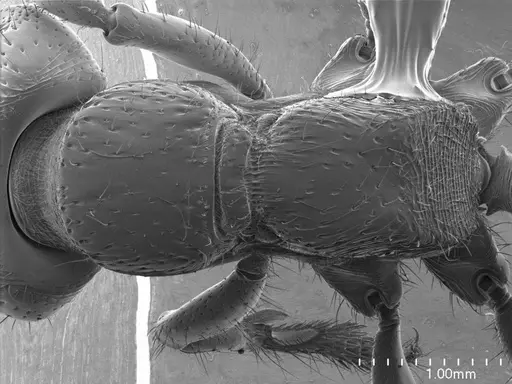
CASENT0003162
View on AntWeb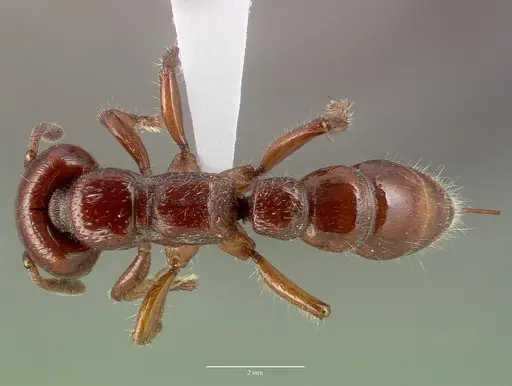
CASENT0102121
View on AntWeb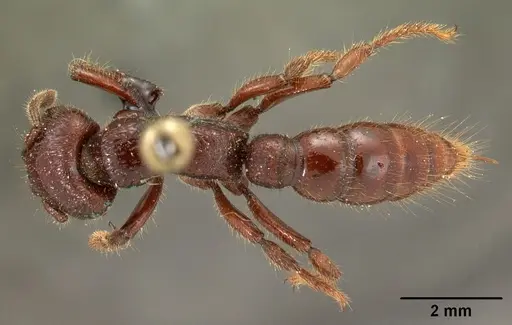
CASENT0102180
View on AntWeb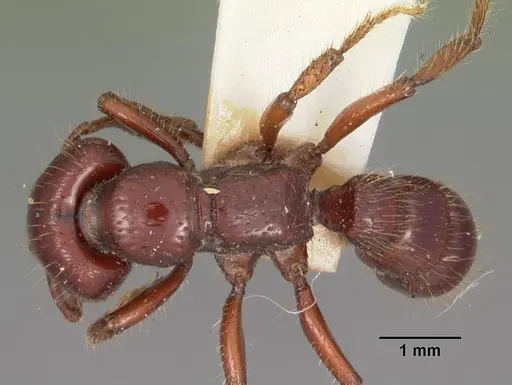
CASENT0102181
View on AntWeb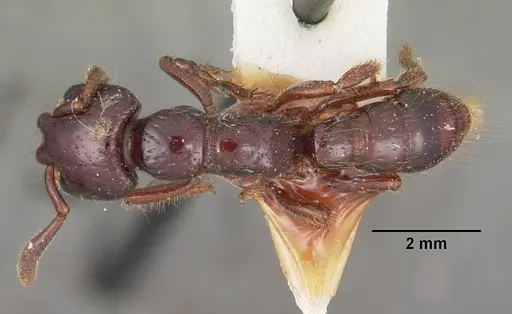
CASENT0102182
View on AntWeb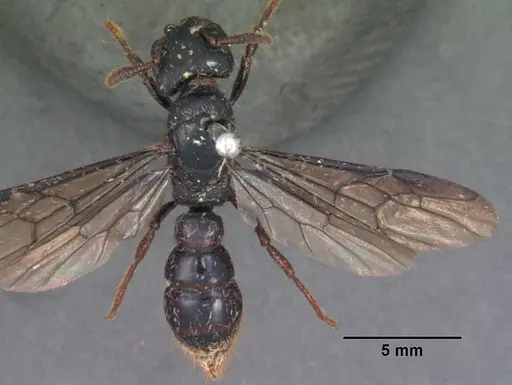
CASENT0102183
View on AntWeb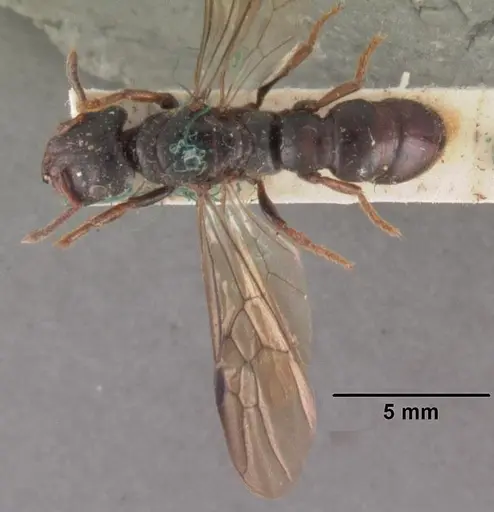
CASENT0102523
View on AntWeb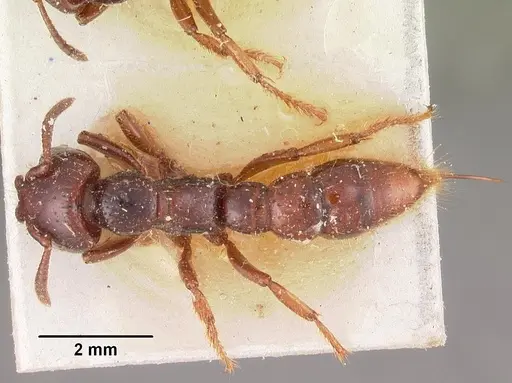
CASENT0104579
View on AntWeb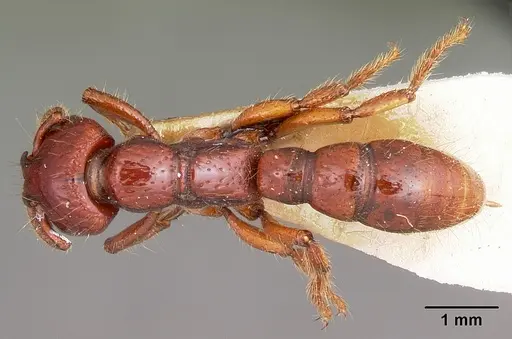
CASENT0104580
View on AntWeb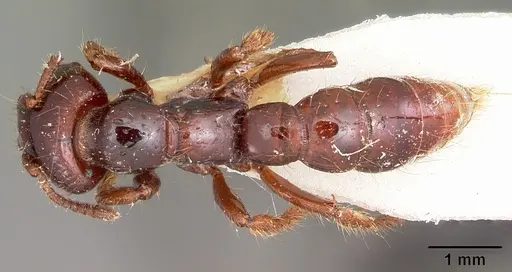
CASENT0104581
View on AntWeb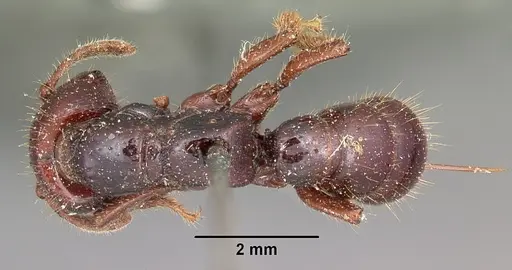
CASENT0106147
View on AntWeb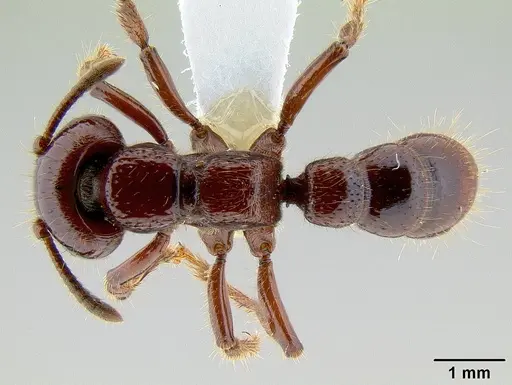
CASENT0172069
View on AntWeb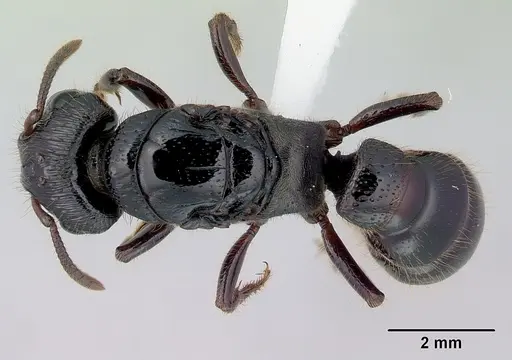
CASENT0172084
View on AntWeb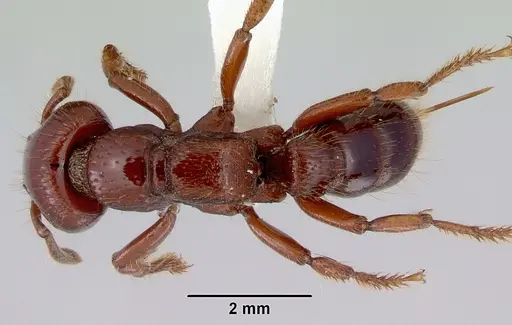
CASENT0260455
View on AntWeb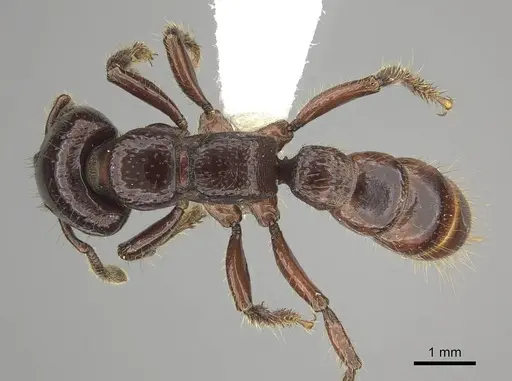
CASENT0810405
View on AntWeb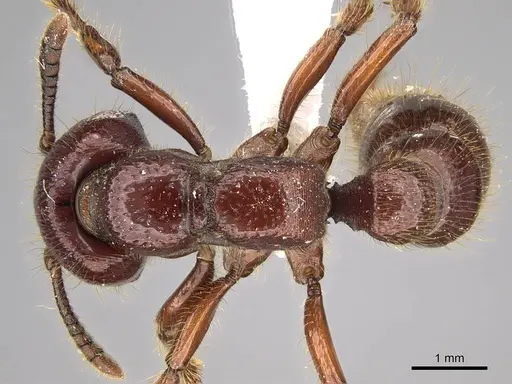
CASENT0901371
View on AntWeb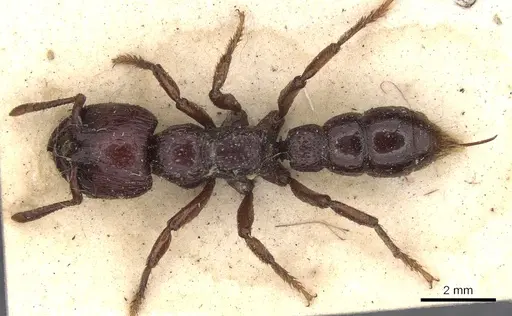
CASENT0903794
View on AntWeb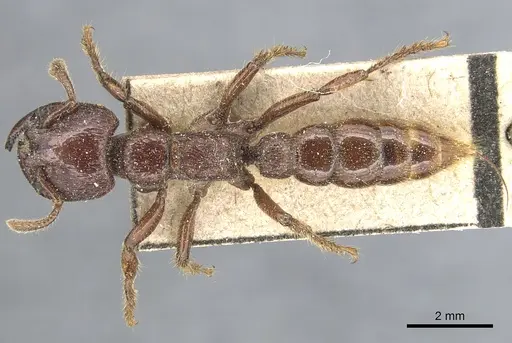
CASENT0913589
View on AntWeb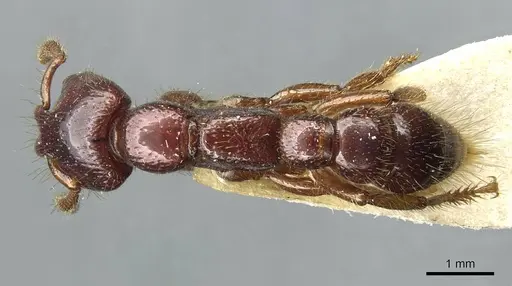
CASENT0913590
View on AntWeb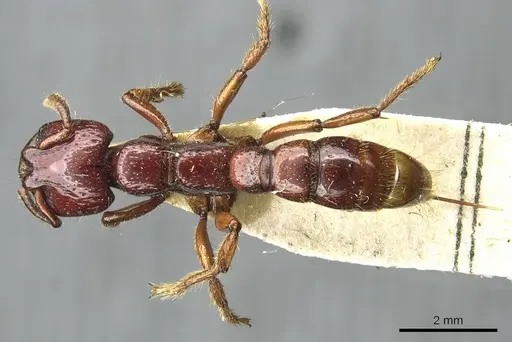
CASENT0913591
View on AntWeb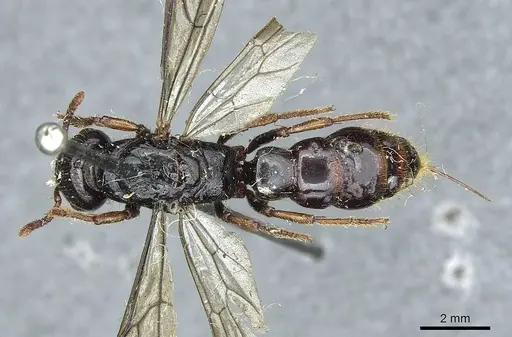
CASTYPE06936
View on AntWeb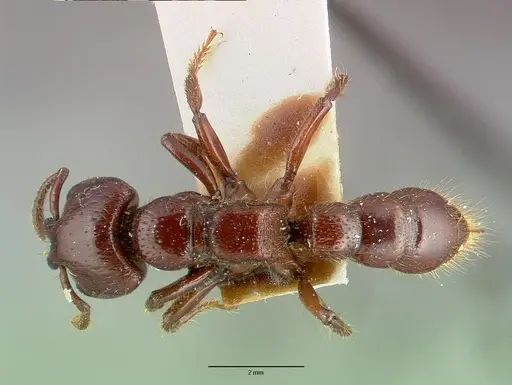
CASTYPE06962
View on AntWeb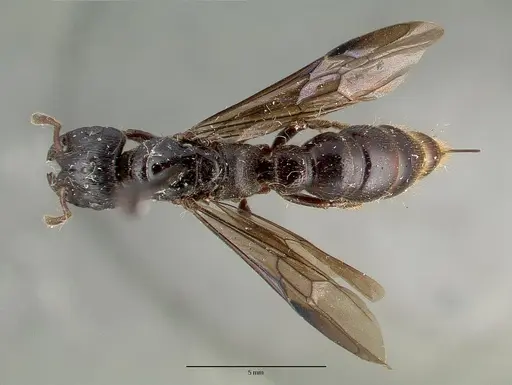
FOCOL0835
View on AntWeb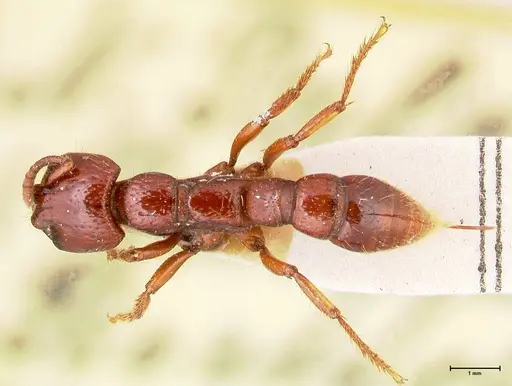
Literature
Loading distribution map...Loading products...