
Odontoponera transversa
- Sci. Name
- Odontoponera transversa
- Tribe
- Ponerini
- Subfamily
- Ponerinae
- Author
- Smith, 1857
- Distribution
- Found in 6 countries
Introduction
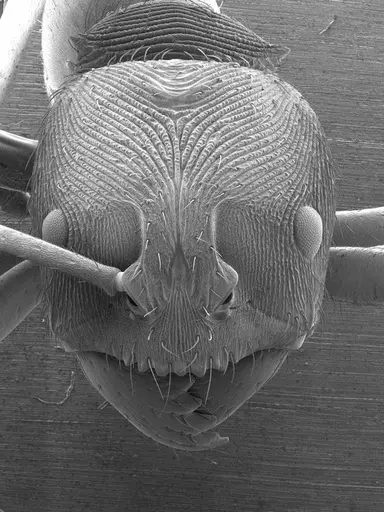
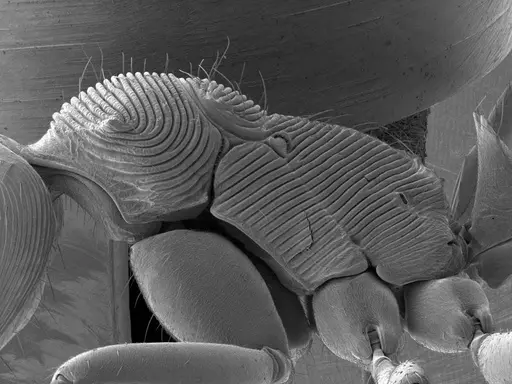
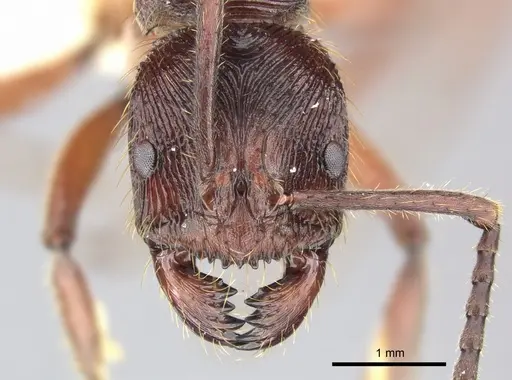
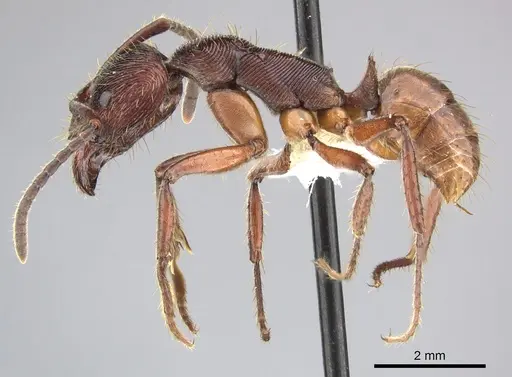
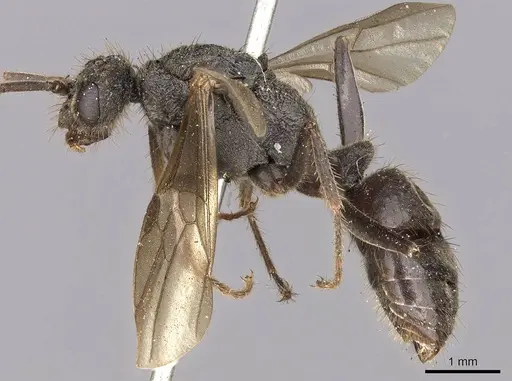
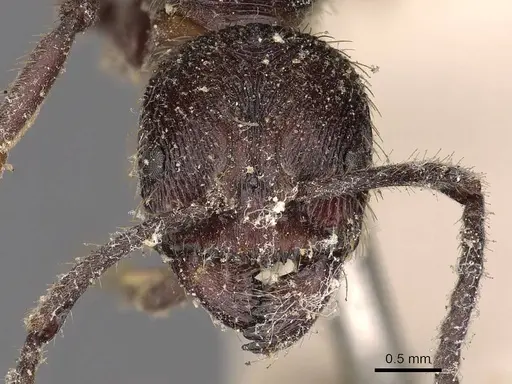
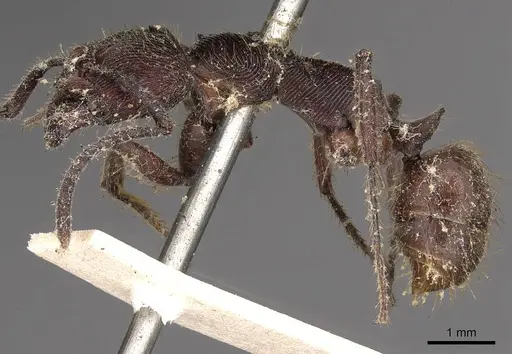
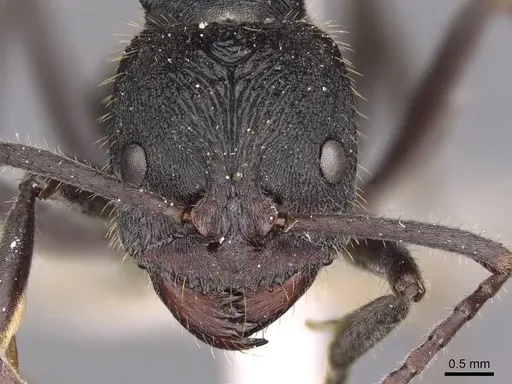
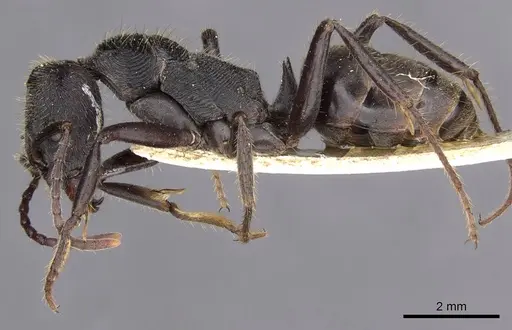
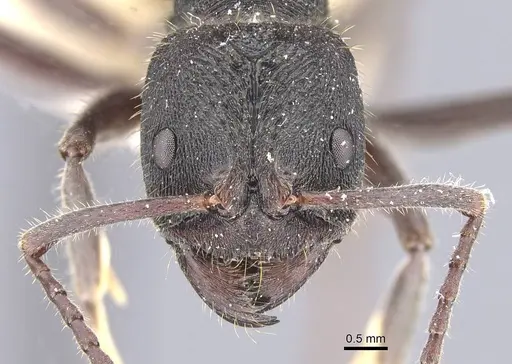
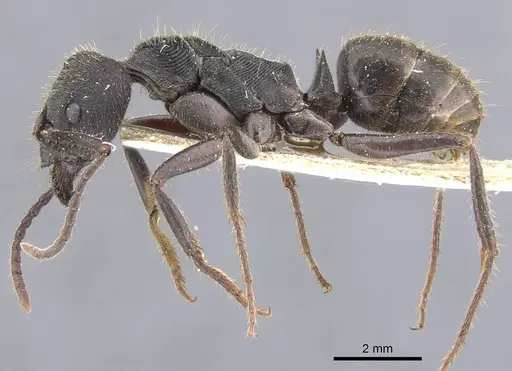
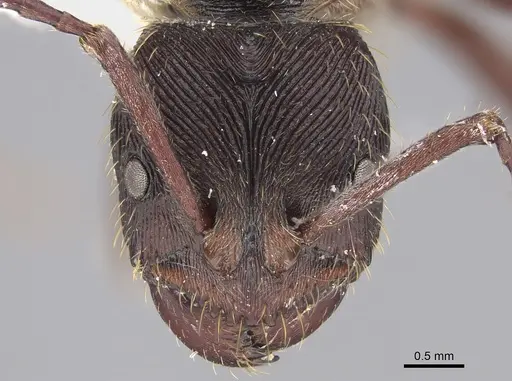
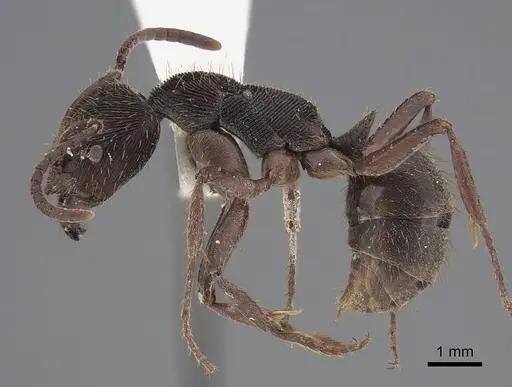
Odontoponera transversa is a large ponerine ant native to Southeast Asia and southern Asia. Workers are about 9-10 mm long , with a dark reddish-brown to black body and paler legs. They inhabit intact primary forests in wet, shaded areas . This species is often confused with O. denticulata, which prefers disturbed habitats, but O. transversa is specifically found in undisturbed forests .
Quick Summary
- Difficulty: Medium
- Origin & Habitat: Southeast Asia, including Nepal, China, India, Indonesia, Malaysia, Myanmar, Singapore, Thailand, Vietnam, and the Philippines. They prefer intact primary forests in wet, shaded locations [3][4].
- Colony Type: Colony structure is unconfirmed, no specific data on queen number or social structure from research.
- Size & Growth:
- Queen: Size data unavailable, no body size measurements for queens in the research context.
- Worker: ~9-10 mm [1][2], based on total length measurements.
- Colony: Unknown, no specific data on maximum colony size from research.
- Growth: Moderate, inferred from Ponerinae patterns.
- Development: Estimated 6-10 weeks at tropical temperatures. (Development time is temperature-dependent, warmer conditions speed up development.)
- Antkeeping:
- Temperature: Keep warm, around 24-28°C.
- Humidity: Keep the nest substrate consistently moist but not waterlogged.
- Diapause: No, tropical species do not require hibernation.
- Nesting: Soil-nesting species, prefer moist soil or plaster nests with dark chambers.
- Behavior: Aggressive ants with a painful sting, defense mechanism based on subfamily Ponerinae. Active ground foragers that hunt invertebrates, including termites [5]. Moderately fast-moving and defensive.
- Common Issues: high humidity needs can lead to mold if ventilation is poor, predatory diet requires constant access to live invertebrate prey, founding phase is unconfirmed and may be slow, sensitive to disturbance during colony establishment
Housing and Nest Setup
Odontoponera transversa is a ground-nesting ant that requires a moist, dark environment. For founding colonies, use a test tube setup with water and cotton, kept dark. Once the colony has workers, transfer to a naturalistic setup with moist soil at least 2-3 cm deep. They prefer tight chambers and will dig their own tunnels. Y-tong or plaster nests with water reservoirs work well. Keep humidity high but ensure ventilation to prevent mold.
Feeding and Diet
These are obligate predators that need live invertebrate prey. Feed them small insects like fruit flies, crickets, mealworms, and especially termites when available. They follow termite pheromone trails to hunt [5]. Offer prey 2-3 times per week and remove uneaten items after 24 hours.
Temperature and Seasonal Care
As a tropical species, maintain warm conditions around 24-28°C. Use a heating cable on one side of the nest to create a gradient. Avoid temperatures below 20°C. No diapause is needed.
Behavior and Defense
Workers are aggressive and have a painful sting based on their subfamily Ponerinae. They are active ground foragers that hunt invertebrates. Use escape prevention for large ants and avoid frequent nest disturbance.
Colony Founding
Founding behavior is unconfirmed, no specific data from research. Queens may seal themselves in a chamber, but this is not verified. Provide darkness and minimal disturbance during early stages.
Growth and Development
Growth rate is moderate, with egg to worker development estimated at 6-10 weeks at optimal temperatures. Colony size is unknown, but growth depends on temperature and food supply.
Frequently Asked Questions
How long does it take for first workers to appear in Odontoponera transversa?
Estimated 6-10 weeks from egg to worker at tropical temperatures, based on related Ponerinae species.
Do Odontoponera transversa ants sting?
Yes, they have a painful sting based on their subfamily Ponerinae. They are defensive and will sting to protect their nest.
What do Odontoponera transversa eat?
They are predators that need live invertebrate prey, such as fruit flies, crickets, and termites [5].
Are Odontoponera transversa good for beginners?
They are intermediate difficulty due to specific humidity and temperature needs, plus a constant supply of live prey.
Can I keep multiple queens together?
Colony type is unconfirmed, but based on general ponerine patterns, multiple queens may not coexist peacefully.
What temperature do they need?
Keep them at 24-28°C, inferred from their tropical forest habitat.
Do they need hibernation?
No, as a tropical species, they do not require hibernation.
How big do colonies get?
Colony size is unknown from research, no specific data available.
When should I move them from a test tube to a formicarium?
Move them once the colony has workers and the water reservoir is depleted, using a moist soil setup.
Why are my ants dying during founding?
Common causes include disturbance, incorrect humidity, or temperature. Founding behavior is unconfirmed, so provide stable conditions.
Report an Issue
The current care sheet is based fully on literature. See inconsistencies, or something that's incorrect? Please , it will be resolved after review from an admin. Contributing to the blogs tab also helps providing information, to make us be able to further improve the caresheets. Thank you for your support!
References

This caresheet is licensed under CC BY-SA 4.0 .
Community Blogs
ANTWEB1008558
View on AntWeb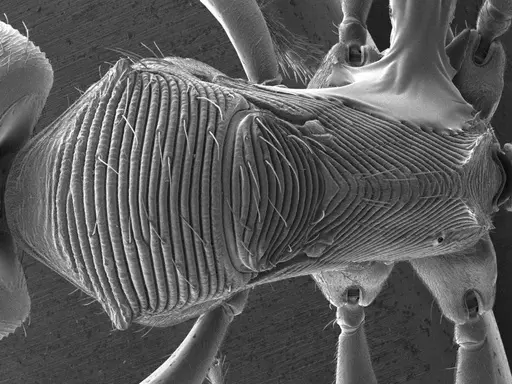
CASENT0249126
View on AntWeb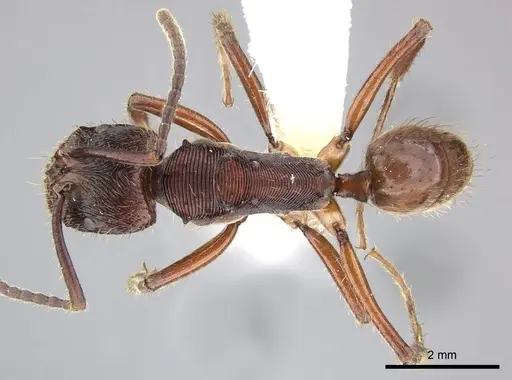
CASENT0900665
View on AntWeb
CASENT0900666
View on AntWeb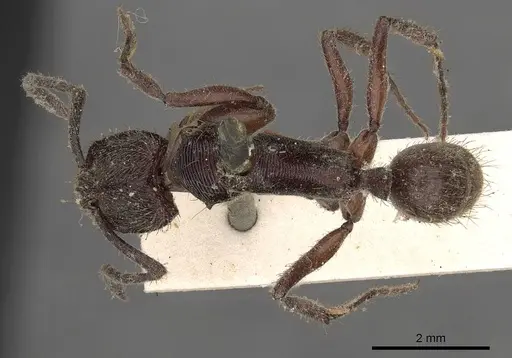
CASENT0907214
View on AntWeb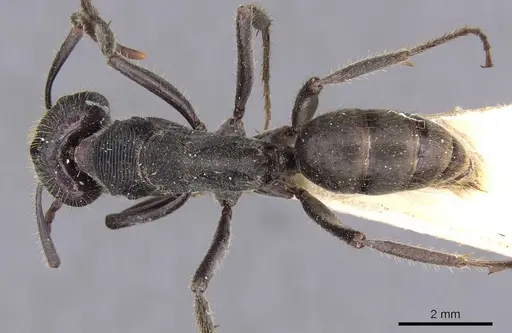
CASENT0911207
View on AntWeb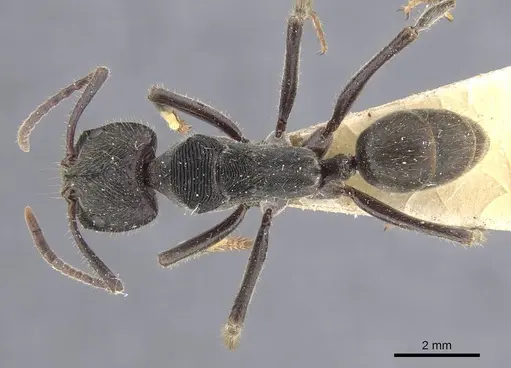
CASENT0923419
View on AntWeb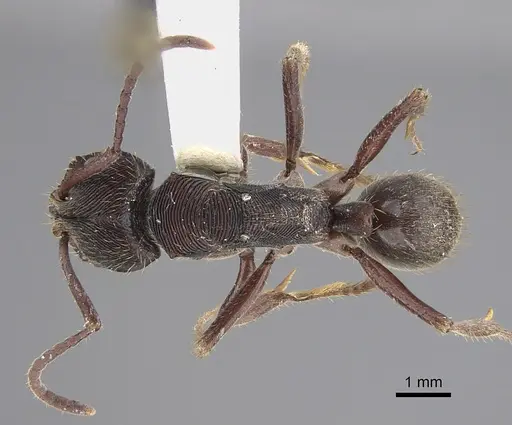
Literature
Loading distribution map...Loading products...