Oecophylla smaragdina shows an extended flight window from January through December, spanning 8 months. This longer season suggests multiple flight events or varying conditions across its range. Peak activity occurs in June. This extended season suggests multiple flight events or varying conditions across its range.
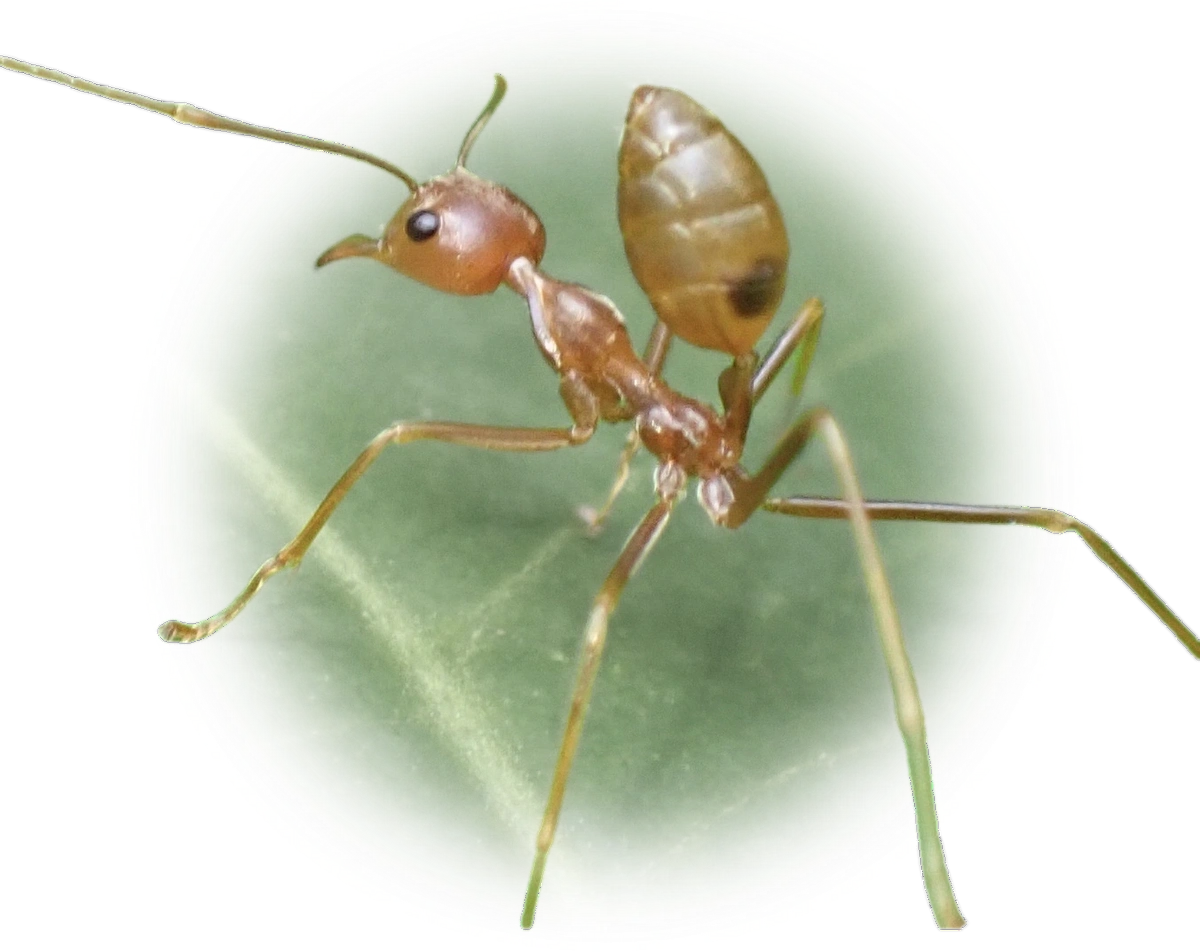
Asian Weaver Ant
Oecophylla smaragdina
- Sci. Name
- Oecophylla smaragdina
- Tribe
- Oecophyllini
- Subfamily
- Formicinae
- Author
- Fabricius, 1775
- Common Name
- Asian Weaver Ant
- Distribution
- Found in 13 countries
- Nuptial Flight
- From January to December
- Peak flight Time
- 10:00
AI Identifiable
try →
Introduction
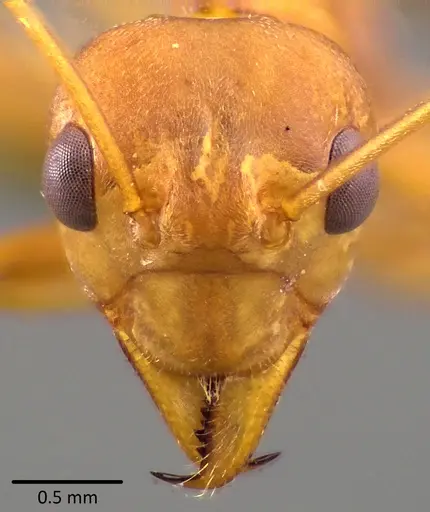
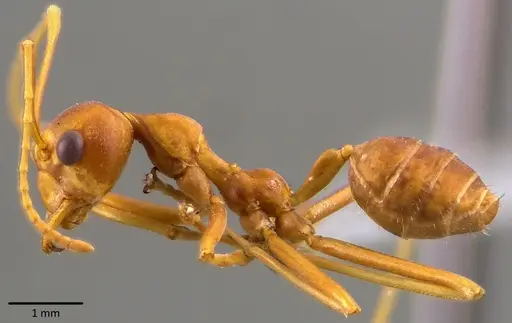
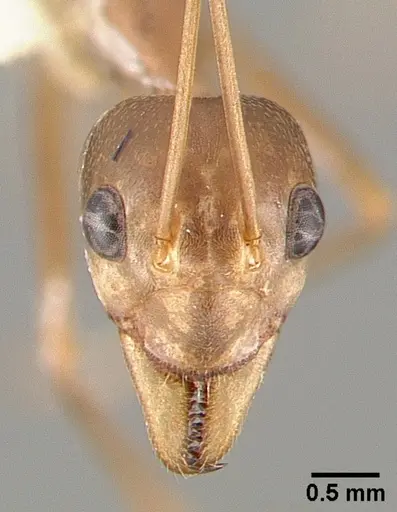
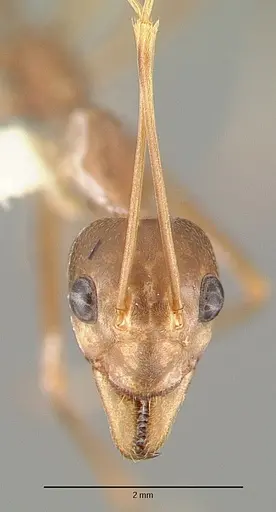
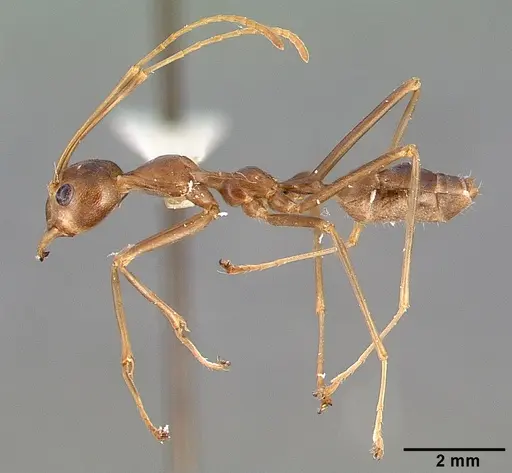
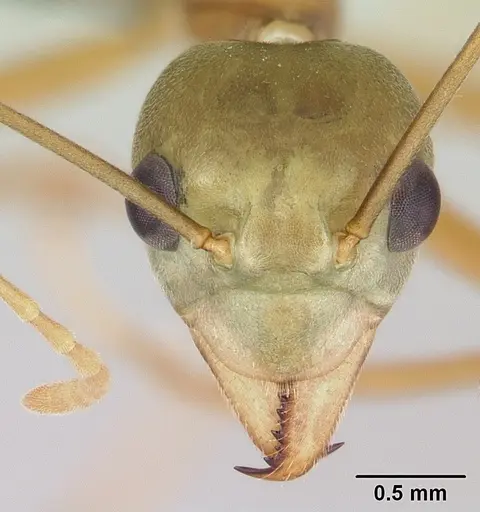
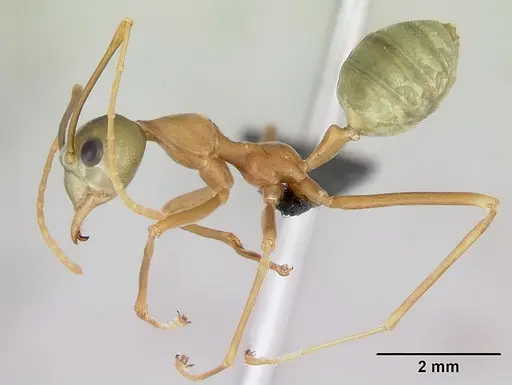
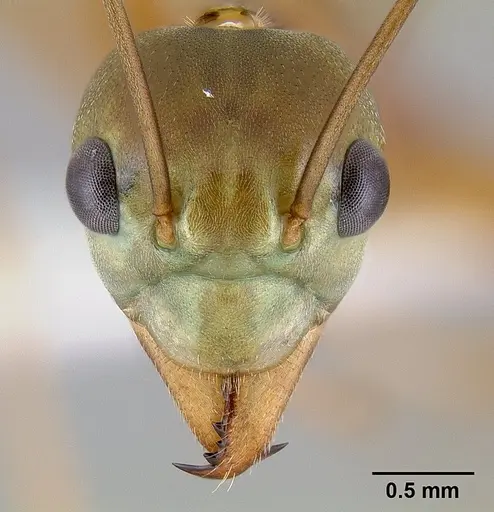
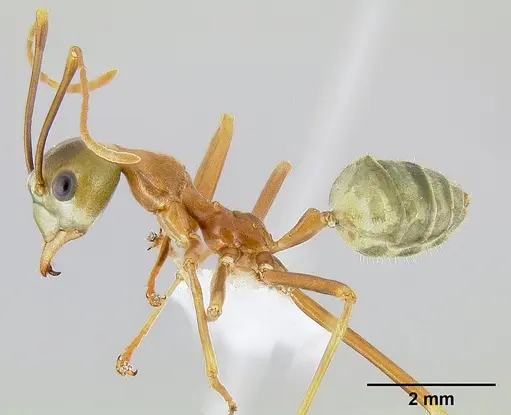
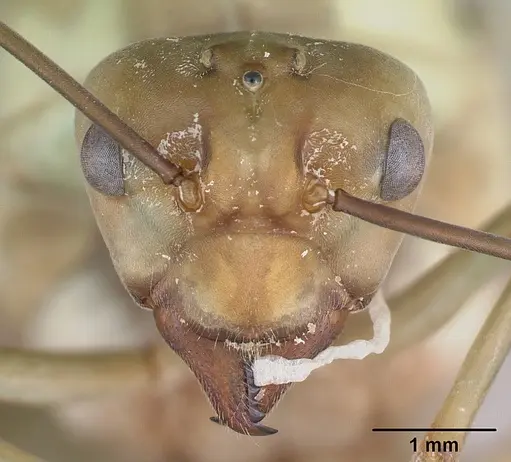
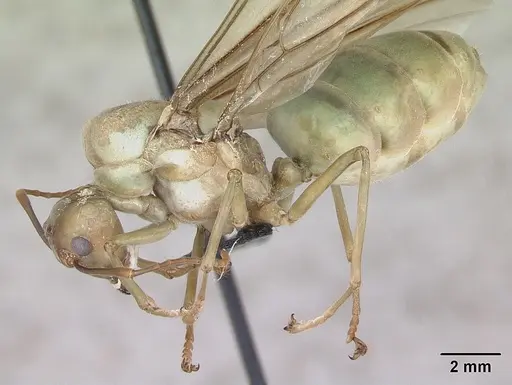
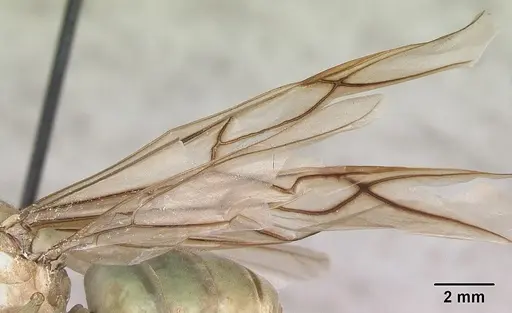
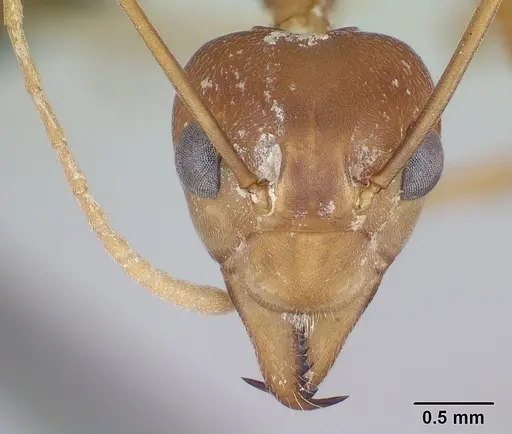
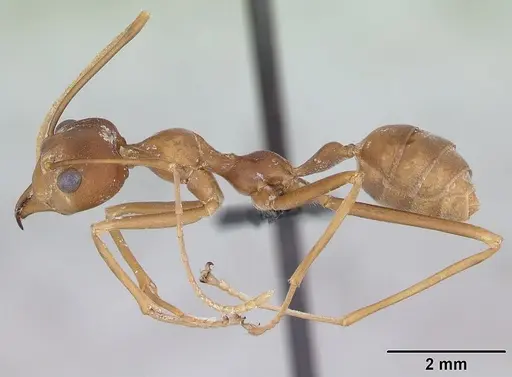
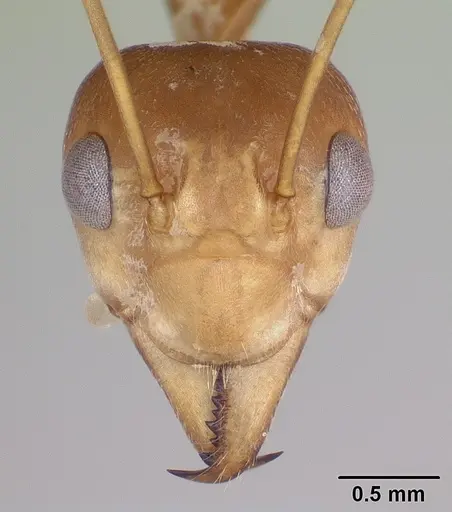
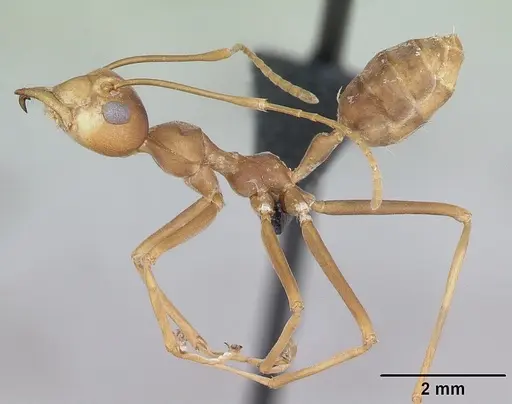
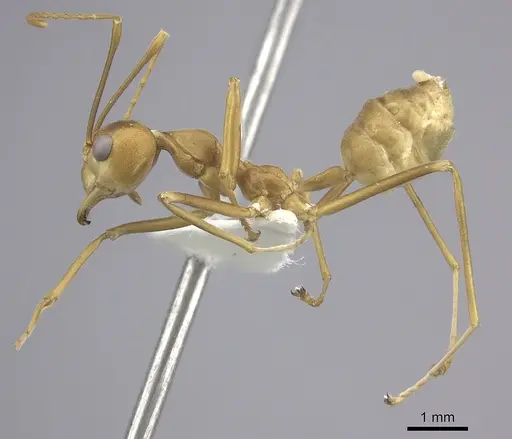
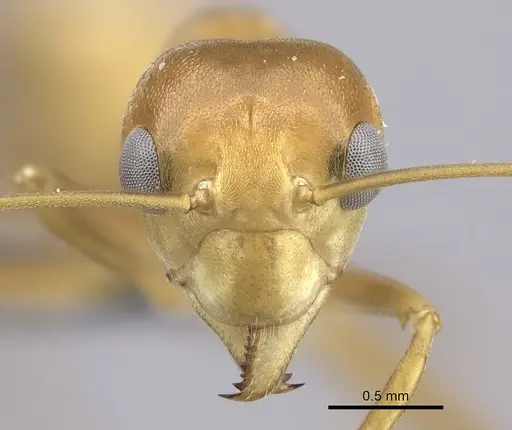
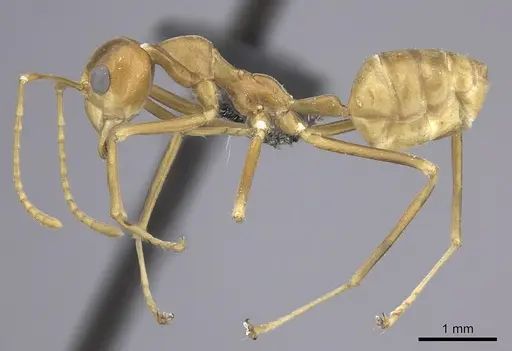
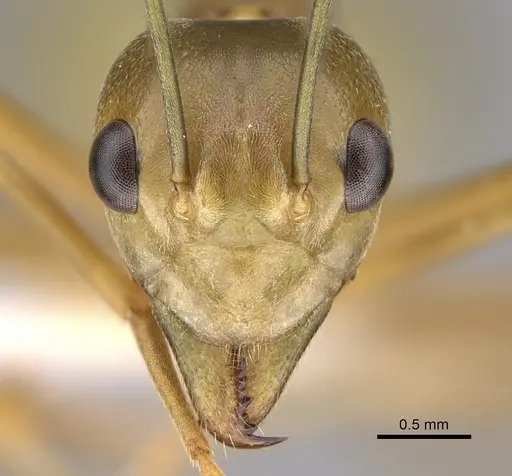
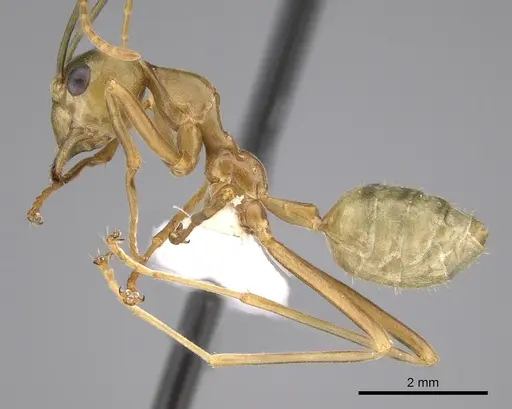
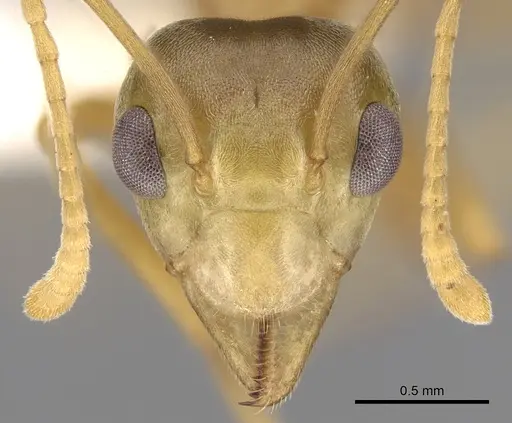
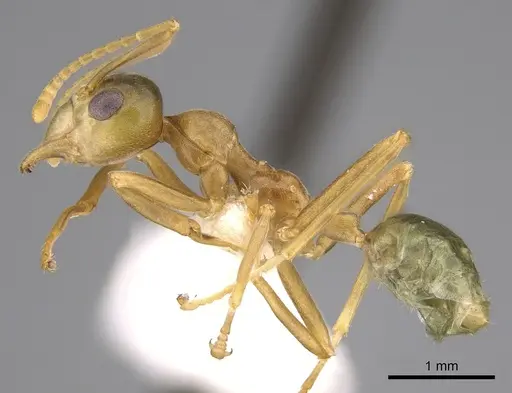
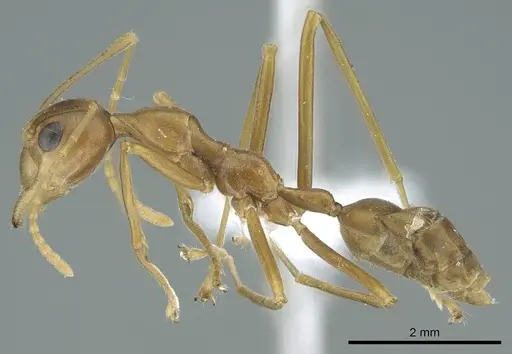
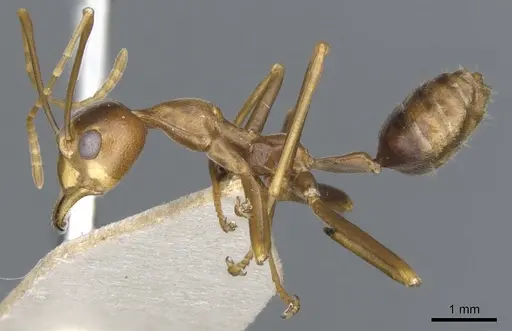
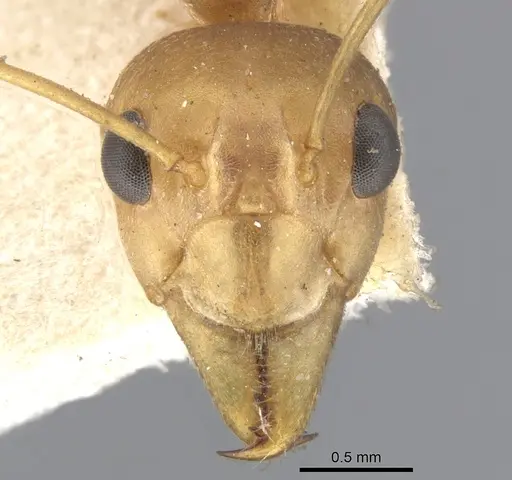
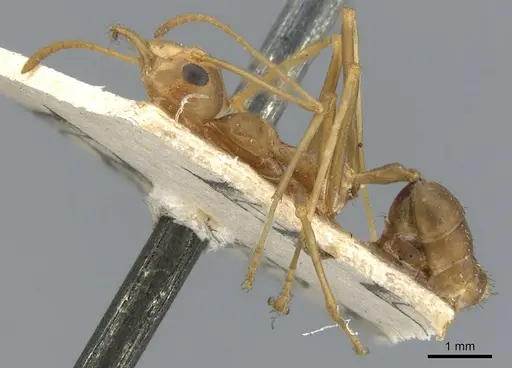
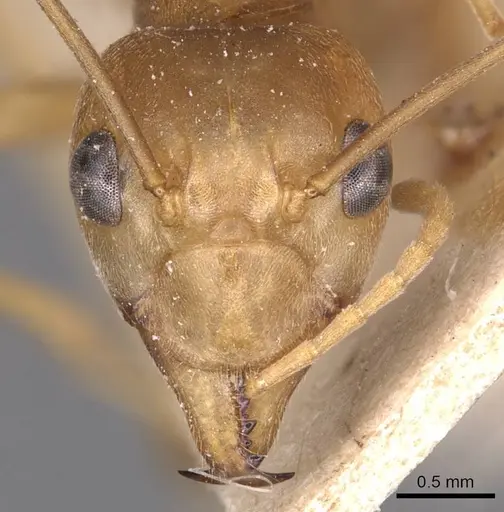
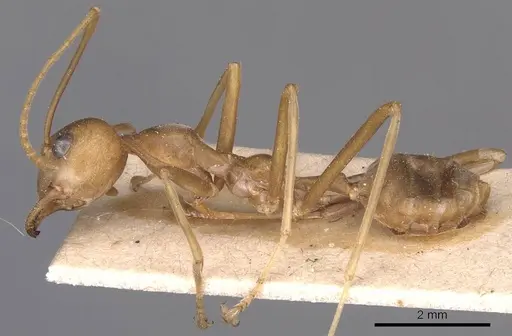
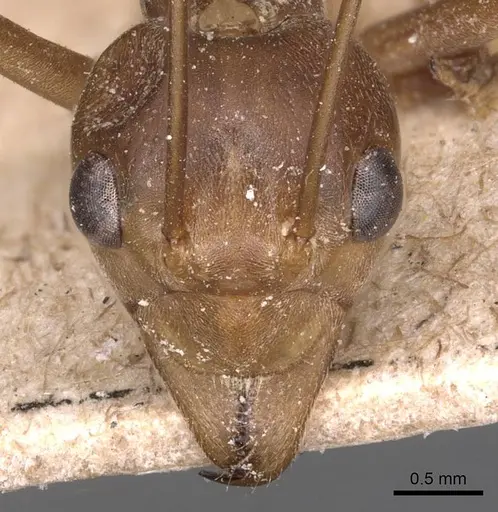
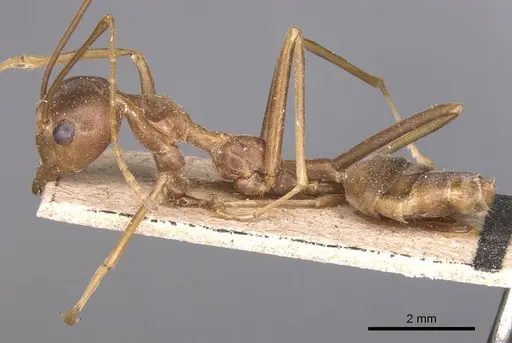
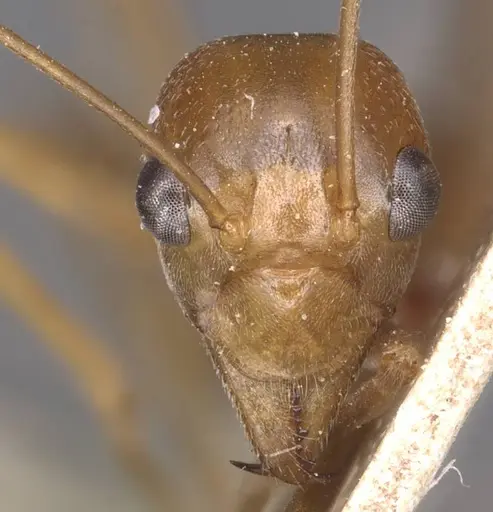
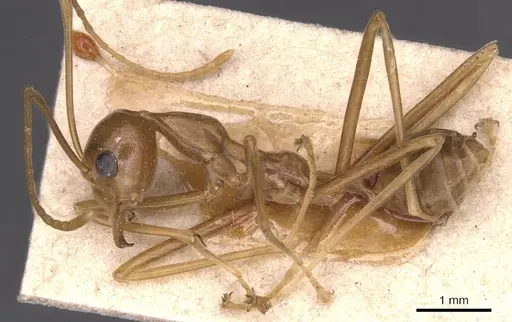
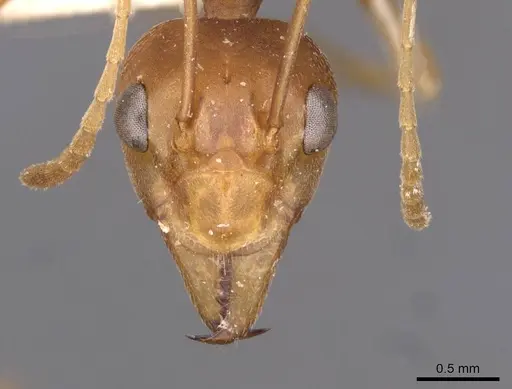
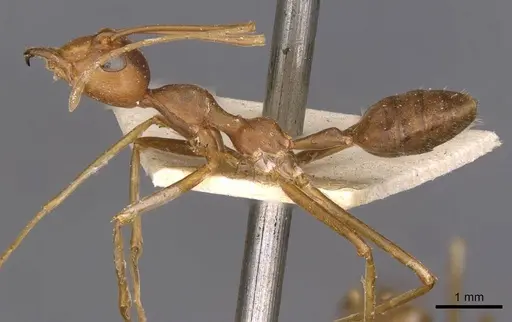
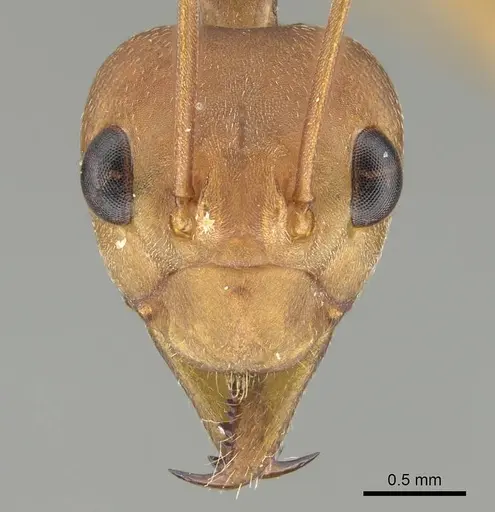
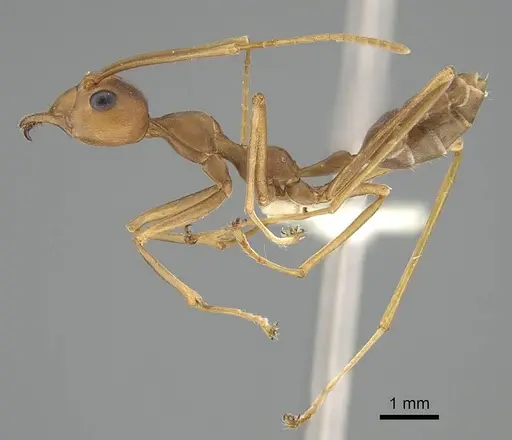
The weaver ant is one of the most remarkable ants in the world, famous for its unique nest-building behavior where workers weave living leaves together using silk produced by their larvae. Workers are polymorphic with major workers measuring 8-10mm and minor workers around 4-5mm . The queen is a large 20-25mm and typically greenish-brown in color . These ants are found throughout tropical Asia from India to Southeast Asia and northern Australia, where they form massive polydomous colonies that can contain up to 500,000 workers spread across dozens of nests in multiple trees . They are aggressive predators that actively hunt insects in their territory and have been used as biological control agents in orchards for over 1,700 years, making them the oldest known form of biological pest control in agriculture .
Quick Summary
- Difficulty: Expert
- Origin & Habitat: Tropical Asia and northern Australia, found in rainforests, plantations, and disturbed areas from India through Southeast Asia to Australia [8][9][10]. Prefers warm, humid environments with evergreen trees and shrubs that provide suitable leaves for nest construction [5].
- Colony Type: Polydomous (multiple nests) and monogynous (single queen per colony). A single colony can occupy 15 or more trees with up to 100 nests. Multiple queens may found colonies together (pleometrosis), but mature colonies are strictly single-queen [11][4][5].
- Size & Growth:
- Queen: 20-25mm [3]
- Worker: Major workers 8-10mm, minor workers 4-5mm [1][2][3]
- Colony: Up to 500,000 workers across dozens of nests in multiple trees [4][5]
- Growth: Fast
- Development: At 30°C: approximately 4 weeks (28 days from egg to adult). At 24°C: approximately 5.5 weeks (39 days) [11]. (Development is highly temperature-dependent. At 35°C only 50% of queens successfully produce adults, and at 20°C no adults are produced at all [11].)
- Antkeeping:
- Temperature: Keep between 26-34°C. This is a warm-tropical species that cannot tolerate cold, they die at 0°C [12]. Larval development stops below 16.8°C [11]. Use a heat source if room temperature is below 26°C [5][13][11].
- Humidity: Maintain 62-92% relative humidity. They prefer humid environments and will abandon nests if conditions become too dry [5][13].
- Diapause: No, this is a tropical species that remains active year-round. There is no true hibernation, though activity may decrease during cooler months [11].
- Nesting: Arboreal nesters that require live plants or artificial structures with leaves to weave. In captivity, provide artificial leaf structures or flexible materials that can be woven. They will not nest in test tubes or typical formicarium setups, they need arboreal conditions [14][4].
- Behavior: Extremely aggressive and territorial. Major workers defend the colony and forage for food, while minor workers stay in the nest to care for brood. They are diurnal visual predators that hunt insects during the day, with peak activity around midday [15][16]. Workers have powerful mandibles and can spray formic acid when threatened. They will readily bite intruders and coordinate group attacks on larger prey. Major workers are significantly more aggressive than minors [17][2][11].
- Common Issues: Temperature sensitivity, cannot survive below 16°C and dies at 0°C. Must be kept warm year-round [11][12]., Arboreal nesting requirements, cannot be kept in standard formicariums, need live plants or artificial leaf structures [14][4]., Aggressive bites and formic acid spray, can cause significant pain, handle with caution [17][14]., Colony may relocate if disturbed or if host plant conditions change [5][13]., Requires large space as colonies can grow to hundreds of thousands of workers across multiple trees [4][5]., Invasive species, native to Asia and Australia, do NOT release in non-native areas [10].
Nuptial Flight Activity Analysis 2020 observations
Flight Activity by Hour 2020 observations
Oecophylla smaragdina nuptial flight activity peaks around 10:00 during the late morning to early afternoon. Activity is spread across a 14-hour window (06:00–19:00). Times may be influenced by human observation patterns.
Housing and Nesting
Weaver ants present unique housing challenges because they are obligately arboreal, they will not nest in test tubes, plaster nests, or typical formicariums [14][4]. In captivity, you must provide either live potted plants with flexible leaves or artificial structures that can be woven together [5]. The key requirement is providing multiple leaves or leaf-like materials that workers can manipulate and bind with larval silk. Without suitable materials for weaving, the colony will not establish. Some keepers use mesh cages with artificial foliage. The enclosure must be tall enough to allow natural arboreal behavior and should have good ventilation while maintaining humidity [14][4][5].
Feeding and Diet
Weaver ants are generalist predators with a strong preference for protein-rich foods. In captivity, they readily accept live insects (fruit flies, small crickets, mealworms), dead insects, and protein-based baits. Studies show they strongly prefer chicken intestine, tuna, and dried fish over sugar-based foods [20][21]. They will also collect honeydew from aphids or scale insects if present [22]. Feed protein foods 2-3 times per week, and ensure constant access to a sugar source (honey water or sugar water) for energy. Remove uneaten prey after 24 hours to prevent mold. Workers forage primarily during daylight hours, with peak activity around midday [15]. They are visual hunters that actively patrol and search for prey rather than relying solely on pheromone trails [23][20][21].
Temperature and Seasonal Care
This is a strictly tropical ant that requires warm temperatures year-round. Keep the nesting area between 26-34°C. Below 16°C, larval development stops [11], and at 0°C they will die [12]. In temperate climates, you must use a heat source (heating cable or small heat mat) to maintain appropriate temperatures. There is no diapause or winter rest period, the colony remains active throughout the year. Activity may naturally decrease during very hot periods (above 35°C) or during seasonal cool spells, but they do not enter dormancy [11]. Monitor temperature carefully, as they are more sensitive to cold than most commonly kept ants [11][5][13][12].
Behavior and Defense
Weaver ants are among the most aggressive and territorial ants you can keep. Major workers serve as defenders and foragers, while minor workers remain in the nest tending brood [2]. When threatened, workers will bite and spray formic acid from their abdomen [17]. The bite is painful and the formic acid can cause skin irritation, this is a species to handle with great caution. They coordinate group attacks on intruders and larger prey through recruitment pheromones [24]. Workers are diurnal visual predators that actively hunt during the day, using their excellent vision to locate prey [16][15]. They will readily tackle insects much larger than themselves through cooperative hunting [17]. Colonies are highly territorial and will defend their nest sites aggressively against any perceived threat [17][2][11].
Colony Growth and Reproduction
A mature queen can lay hundreds of eggs per day [4]. Colonies grow rapidly under optimal conditions (26-34°C, high humidity) and can reach 500,000 workers [4][5]. Sexual brood (new queens and males) is typically produced seasonally, often during the wet season or warm months [11]. New colonies can be founded through pleometrosis (multiple queens founding together) [25], but in established colonies, only one queen is typically present [11]. The first workers (nanitics) emerge after about 4 weeks at optimal temperature (30°C) [11]. Queens can live for up to eight years [1]. Harvesting brood for food does not significantly harm mature colonies and may even increase worker production [19].
Unique Nest-Building Behavior
What makes weaver ants unique is their ability to weave leaves together using silk produced by mature larvae [14][4][26]. Workers pull leaf edges together by forming chains, with each ant gripping the leg of the one in front [27][28]. Once leaves are positioned, workers carry mature larvae in their mandibles and move them back and forth across the gap, causing the larva to release silk that binds the leaves together [4][26]. This creates secure, enclosed nests that protect the colony from predators and weather. In captivity, providing materials that can be manipulated and woven is essential for colony welfare. Without suitable weaving materials, stress and colony decline can occur [14][4][26].
Frequently Asked Questions
Can I keep Oecophylla smaragdina in a test tube?
No, weaver ants are obligately arboreal and cannot be kept in test tubes or standard formicariums. They require live plants or artificial structures with leaves that can be woven together [14][4]. Without suitable nesting materials, the colony will not thrive.
How long does it take for first workers to emerge?
At optimal temperature (30°C), first workers emerge in approximately 28 days from egg. At cooler temperatures (24°C), it takes about 39 days. Below 20°C, successful colony founding is unlikely [11].
Do weaver ants need hibernation?
No, this is a tropical species with no diapause requirement. They remain active year-round as long as temperatures stay above 16°C. They cannot survive cold and will die at 0°C [11][12].
How big do colonies get?
Colonies can grow to 500,000 workers spread across up to 100 nests in 15 or more trees. A single large nest may contain 4,000-6,000 ants [4][5].
What do weaver ants eat?
They are generalist predators with a strong preference for protein. They accept live insects, dead insects, tuna, chicken, and fish. They will also collect honeydew from sap-sucking insects [22]. Protein foods should be offered 2-3 times weekly with constant access to sugar water [23][20][21].
Are weaver ants good for beginners?
No, they are not recommended for beginners. Their arboreal nesting requirements, aggressive defense behavior, formic acid spray, and strict temperature needs make them challenging. They require specialized setups that most beginners are not prepared for.
Can I keep multiple queens together?
Pleometrosis (multiple queens founding together) occurs in the wild and can boost early colony growth [25]. However, once workers emerge, one queen is typically rejected and may be killed [11]. In established colonies, only one queen is supported. Combining unrelated queens is not recommended [11][25].
What temperature do they need?
Keep between 26-34°C. This is critical, they cannot tolerate temperatures below 16°C and will die at 0°C. Use a heat source if your room temperature is below 26°C [5][13][11].
Why are my weaver ants dying?
The most common causes are: temperatures below 26°C, too dry conditions (below 62% humidity), lack of suitable weaving materials for nesting, or stress from disturbance [11][5][13]. Check temperature and humidity first. Also ensure they have protein food available [11][5][13].
When is the nuptial flight of Oecophylla smaragdina?
The nuptial flight of Oecophylla smaragdina typically occurs From January to December.
What time of day does Oecophylla smaragdina fly?
The nuptial flight of Oecophylla smaragdina peaks around 10:00 during the late morning to early afternoon, with most activity between 06:00 and 19:00. Times may be influenced by human observation patterns.
Report an Issue
The current care sheet is based fully on literature. See inconsistencies, or something that's incorrect? Please , it will be resolved after review from an admin. Contributing to the blogs tab also helps providing information, to make us be able to further improve the caresheets. Thank you for your support!
References

This caresheet is licensed under CC BY-SA 4.0 .
Community Blogs
ANTWEB1008559
View on AntWeb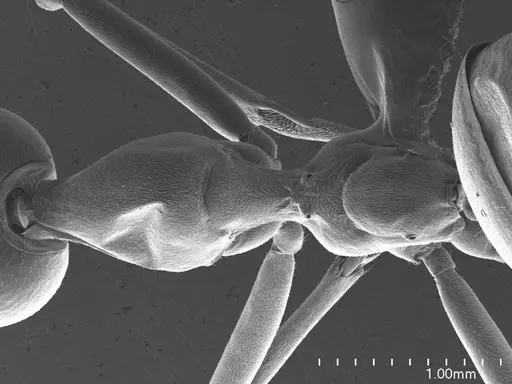
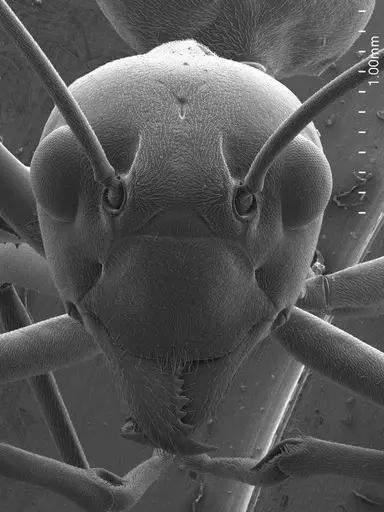
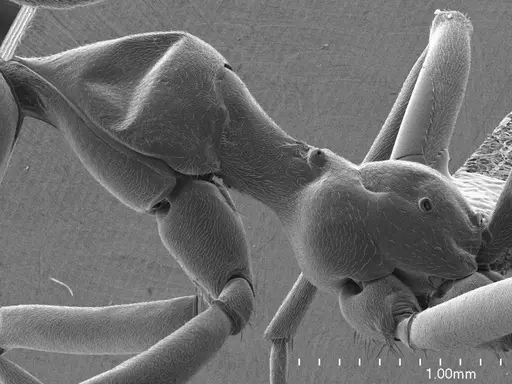
ANTWEB1041772
View on AntWeb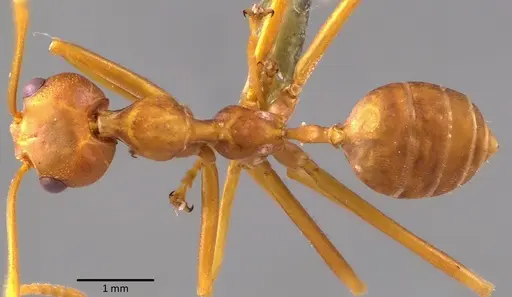
CASENT0010656
View on AntWeb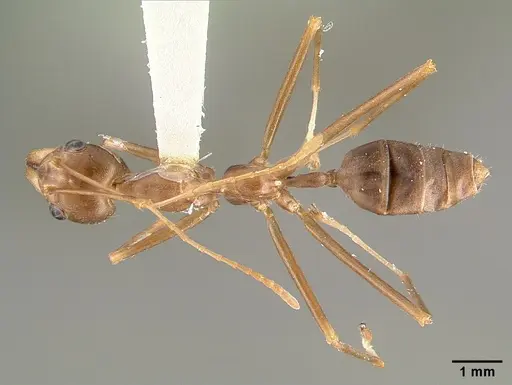
CASENT0070232
View on AntWeb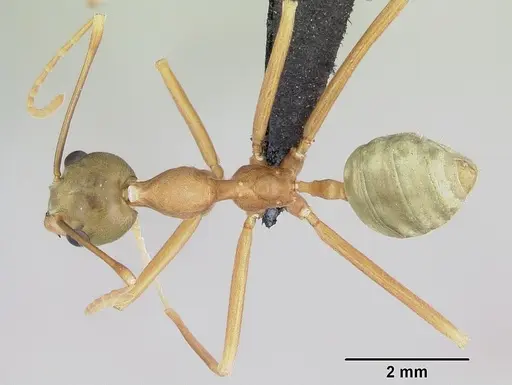
CASENT0106113
View on AntWeb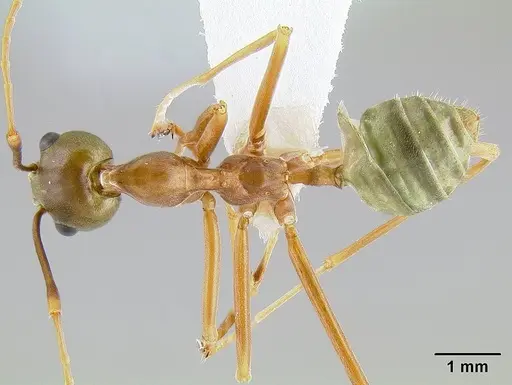
CASENT0173644
View on AntWeb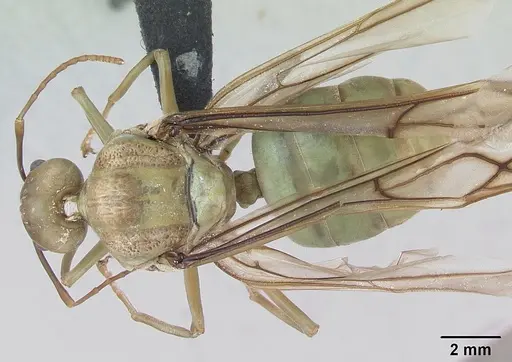
CASENT0173646
View on AntWeb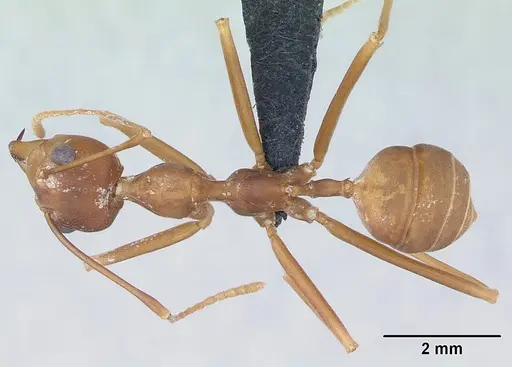
CASENT0173647
View on AntWeb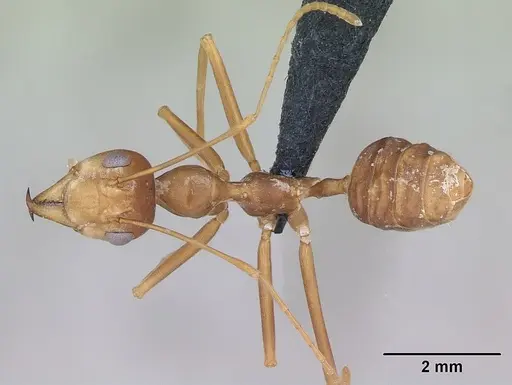
CASENT0173648
View on AntWeb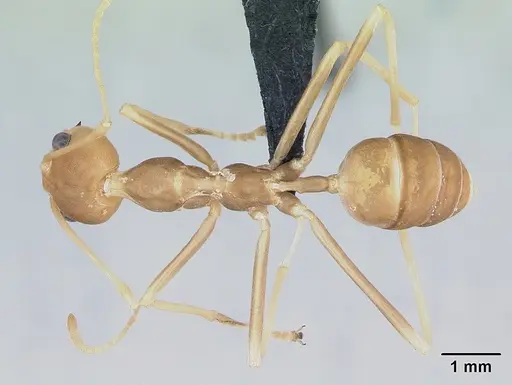
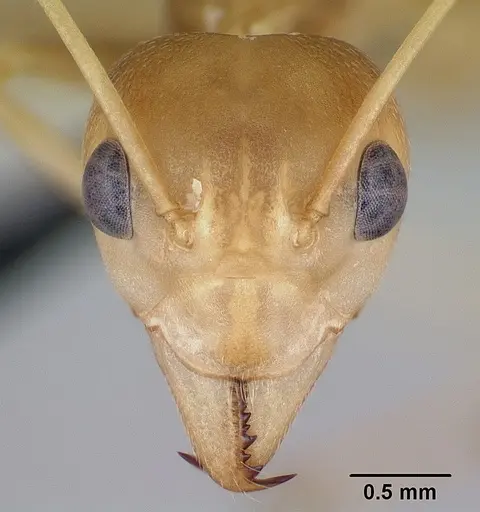
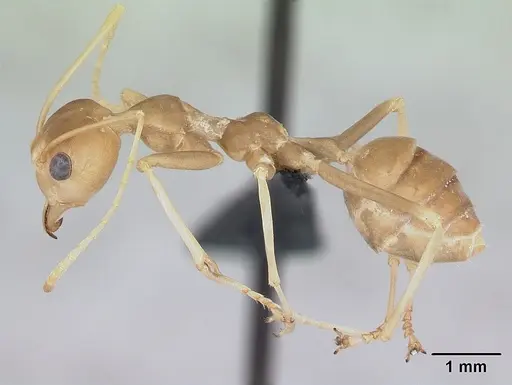
CASENT0219654
View on AntWeb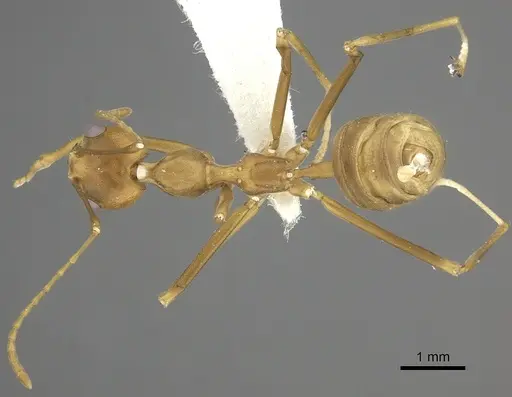
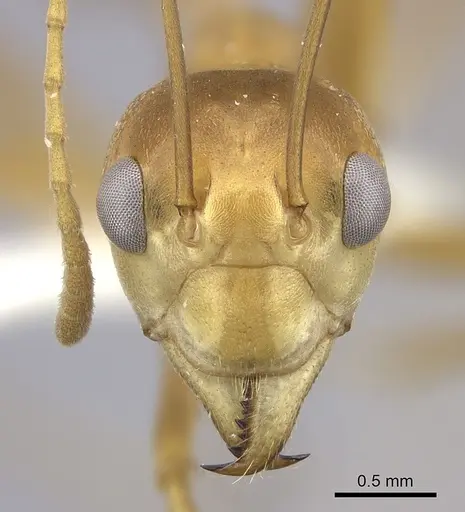
CASENT0219677
View on AntWeb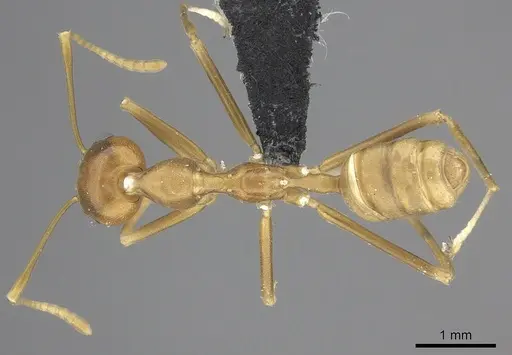
CASENT0281137
View on AntWeb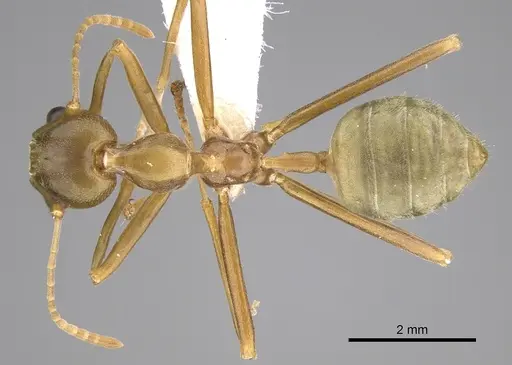
CASENT0281138
View on AntWeb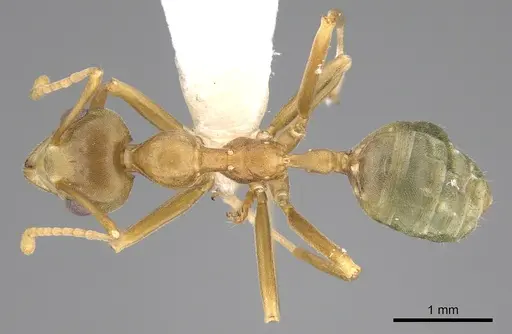
CASENT0740798
View on AntWeb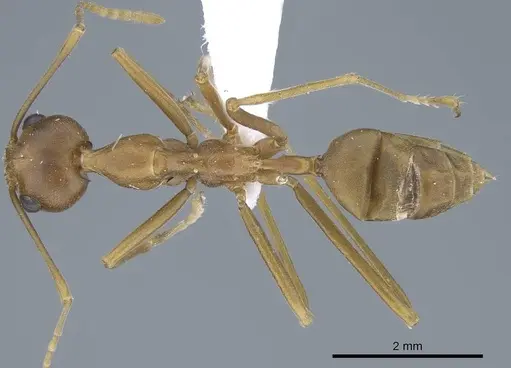
CASENT0887882
View on AntWeb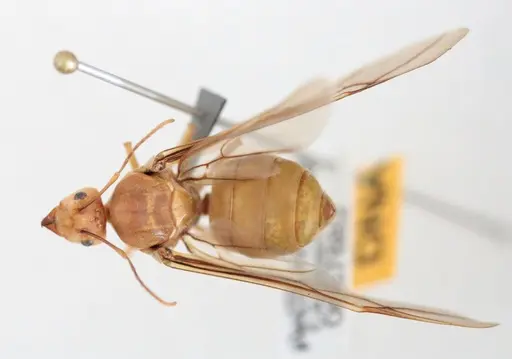
CASENT0887883
View on AntWeb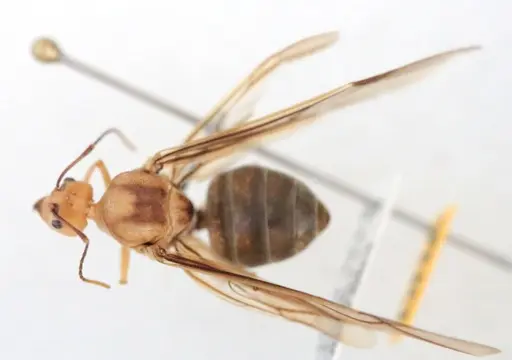
CASENT0887884
View on AntWeb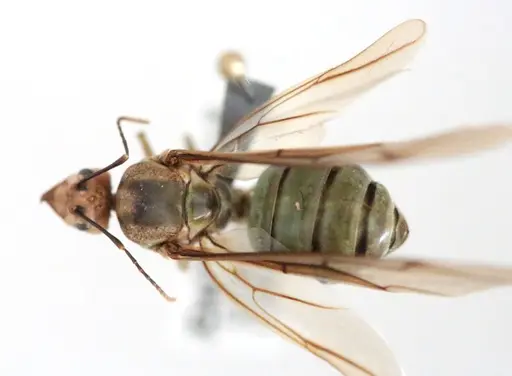
CASENT0887885
View on AntWeb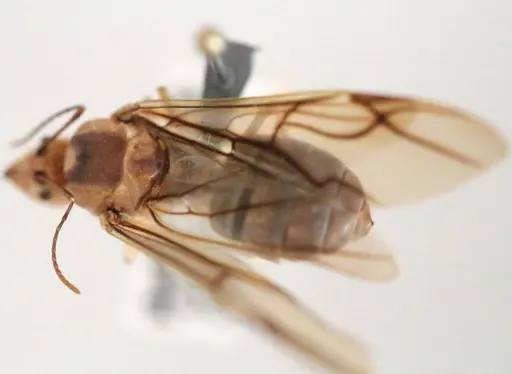
CASENT0887886
View on AntWeb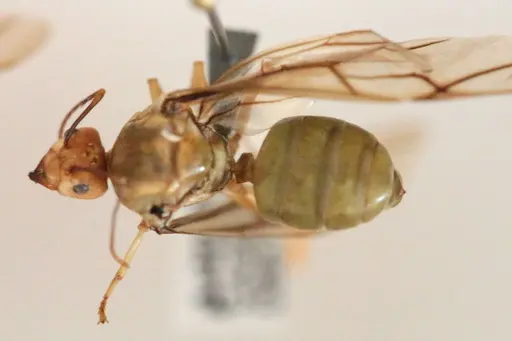
CASENT0887887
View on AntWeb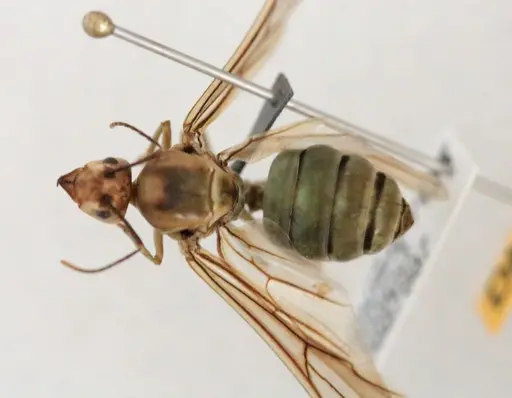
CASENT0887888
View on AntWeb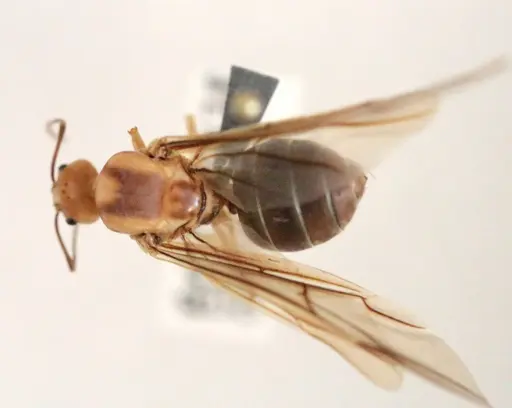
CASENT0903256
View on AntWeb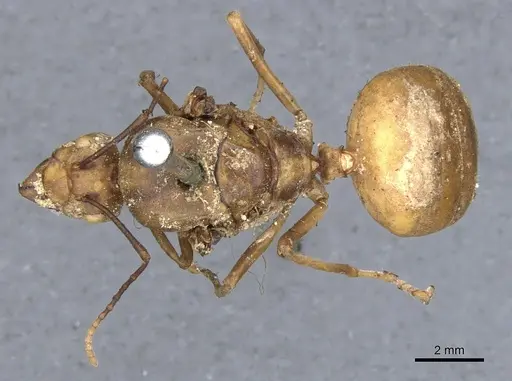
CASENT0903257
View on AntWeb
CASENT0903258
View on AntWeb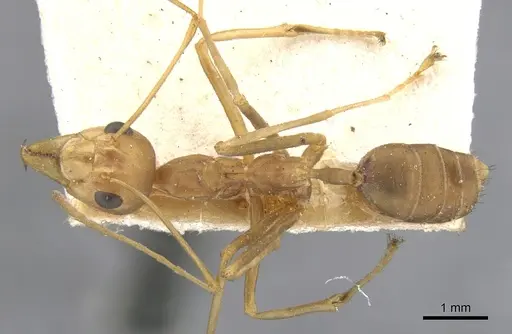
CASENT0905173
View on AntWeb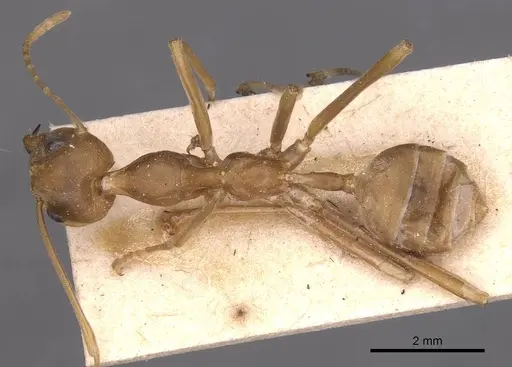
CASENT0905174
View on AntWeb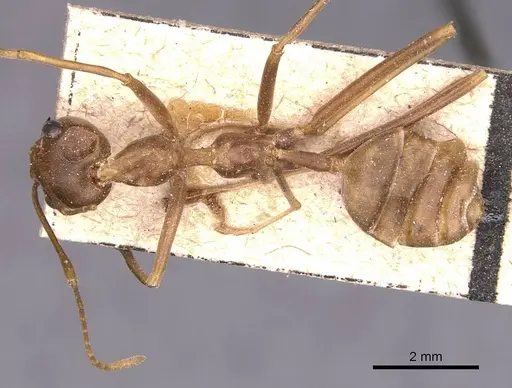
CASENT0905175
View on AntWeb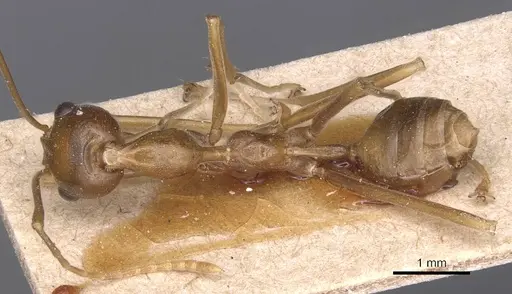
CASENT0909940
View on AntWeb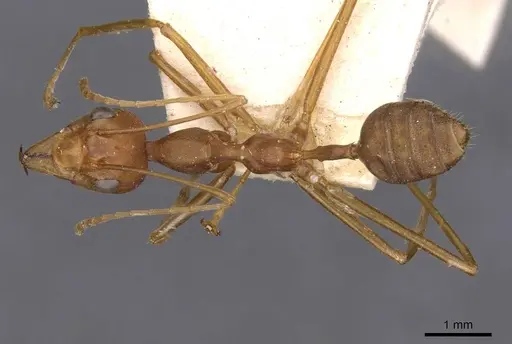
CASENT0919874
View on AntWeb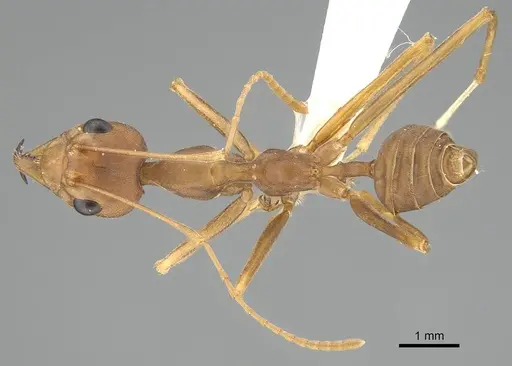
Literature
Loading distribution map...Loading products...