Paltothyreus tarsatus shows a April to November activity window. Peak activity occurs in November, with queen sightings distributed across 7 months. This extended season suggests multiple flight events or varying conditions across its range.
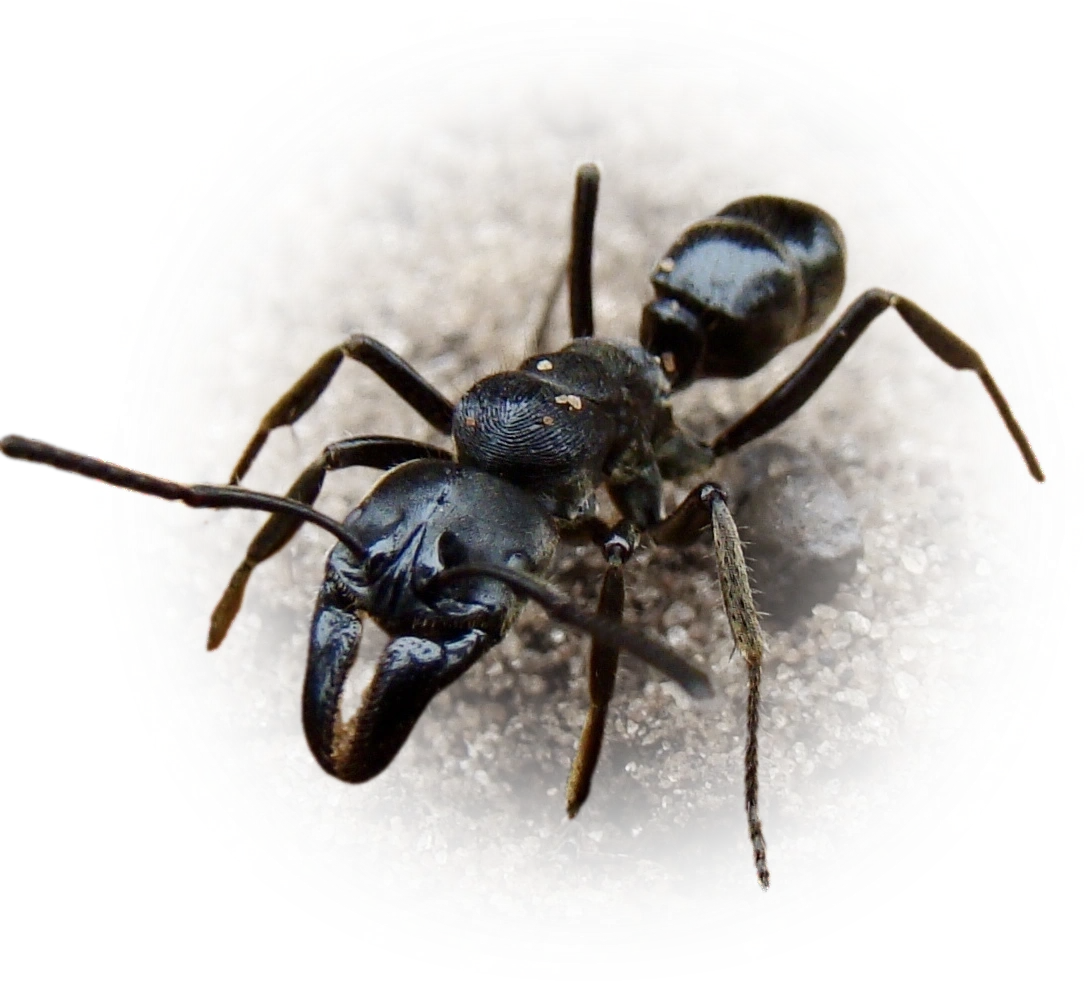
African stink ant
Paltothyreus tarsatus
- Sci. Name
- Paltothyreus tarsatus
- Tribe
- Ponerini
- Subfamily
- Ponerinae
- Author
- Fabricius, 1798
- Common Name
- African stink ant
- Distribution
- Found in 21 countries
- Queen Activity
- From February to December
- Peak Time
- 11:00
Introduction
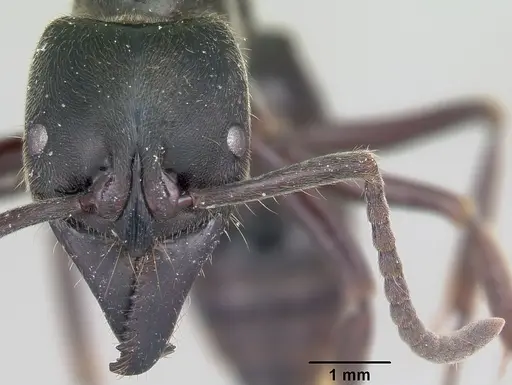
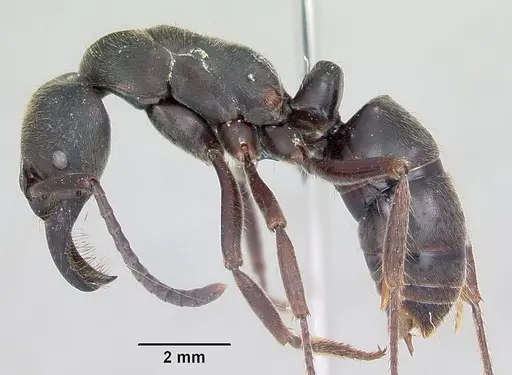
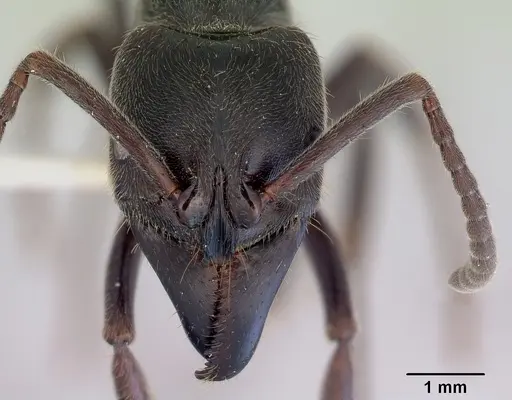
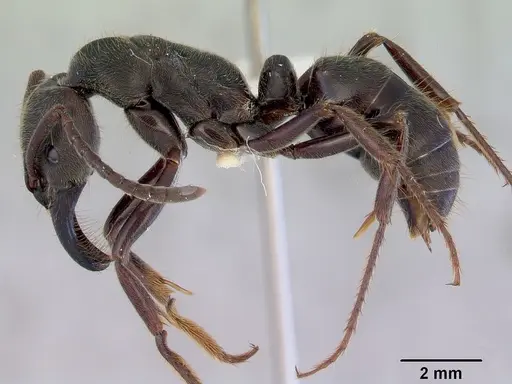
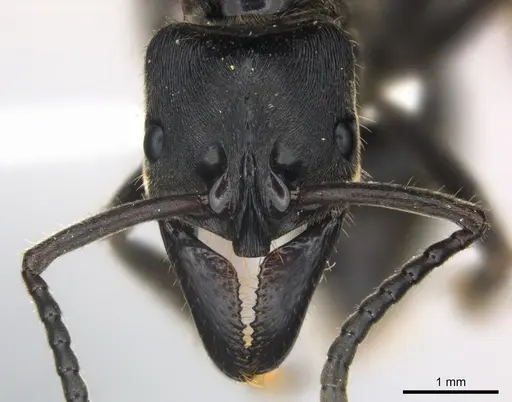
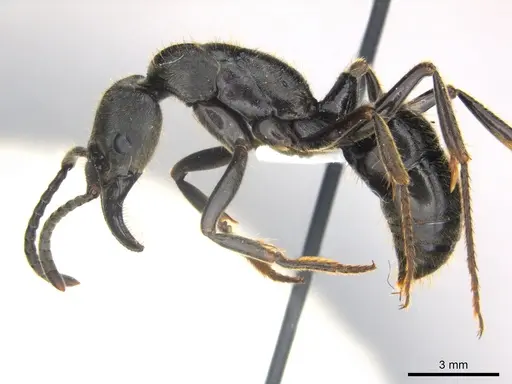
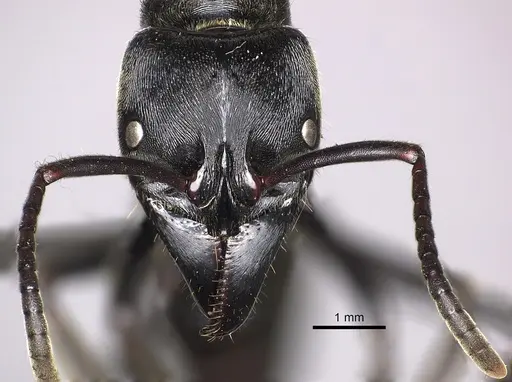
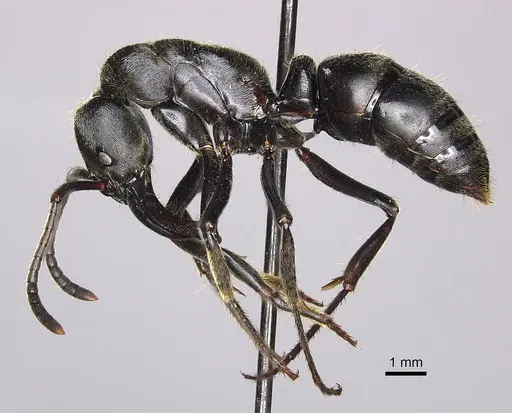
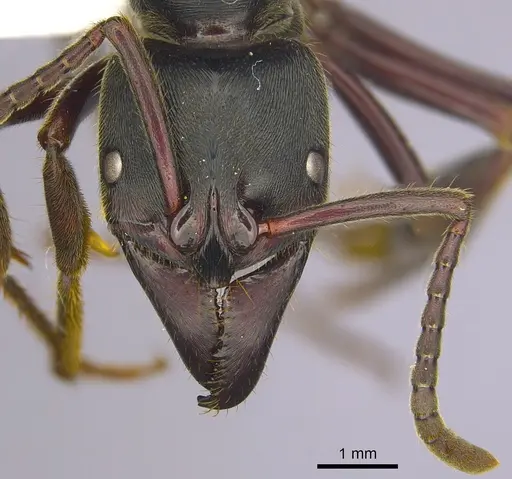
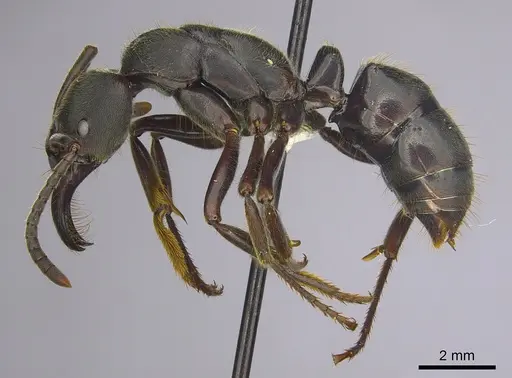
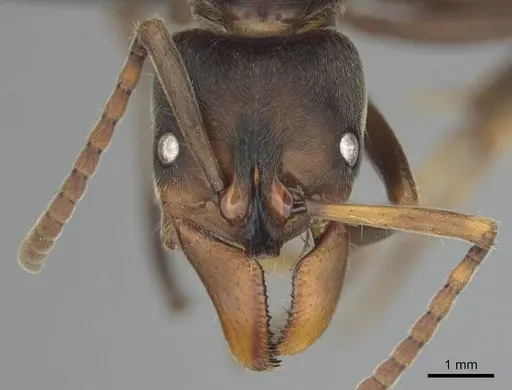
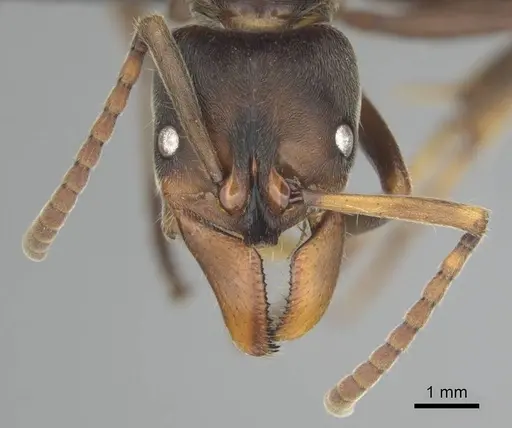
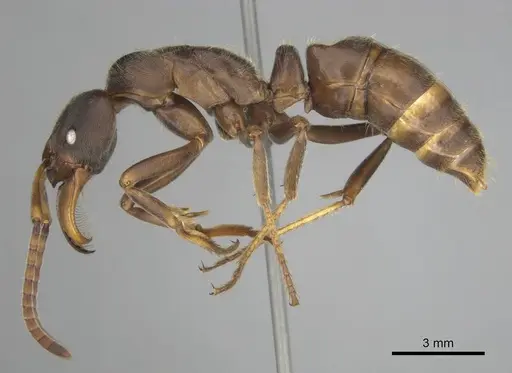
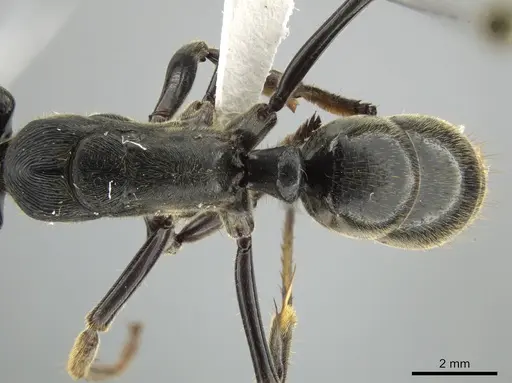
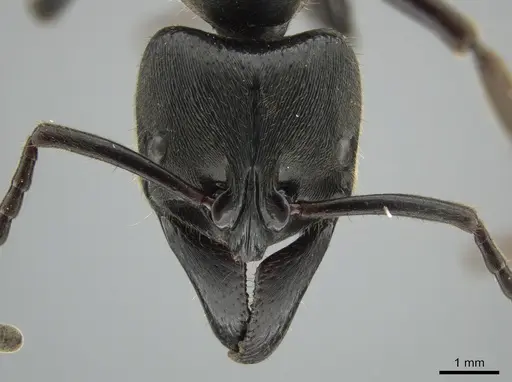
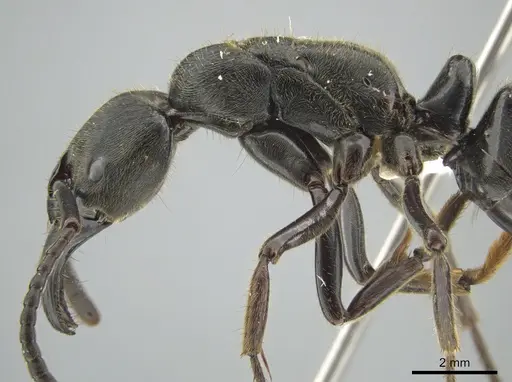
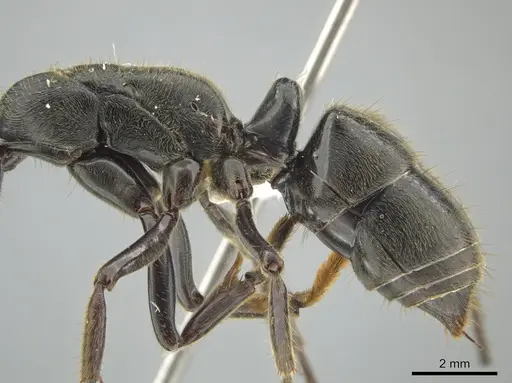
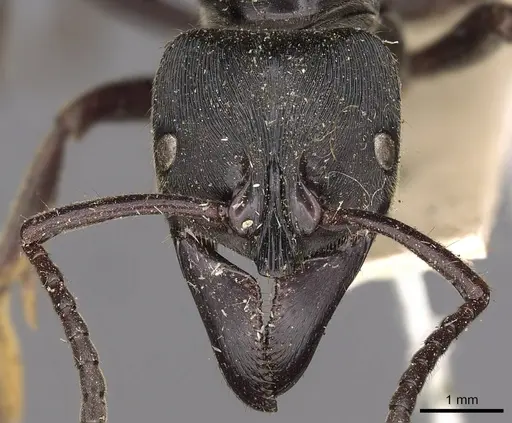
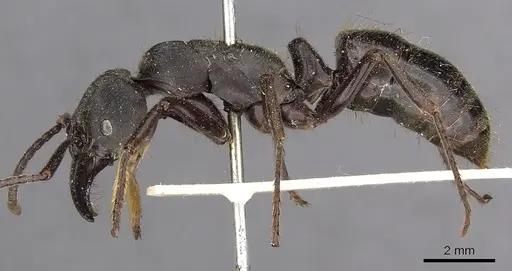
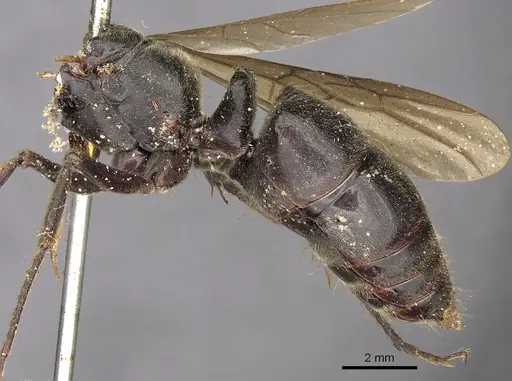
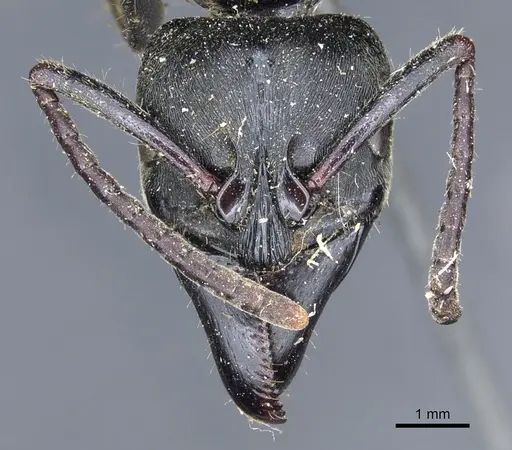
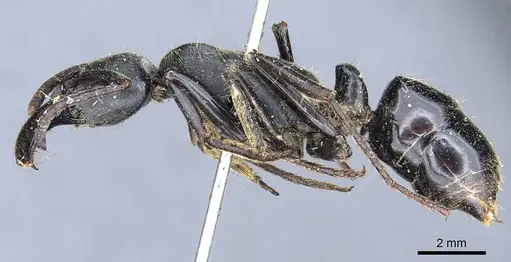
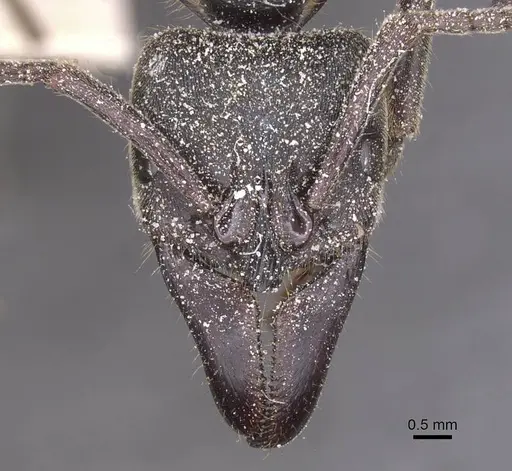
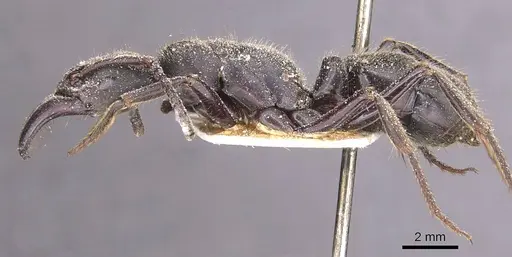
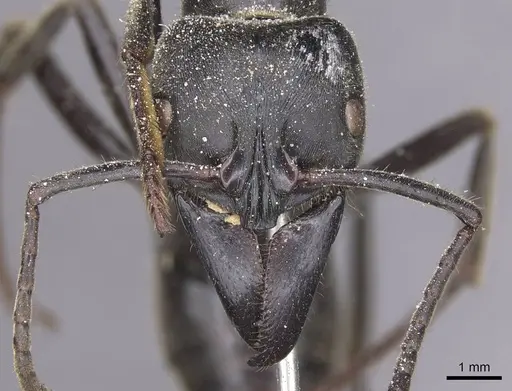
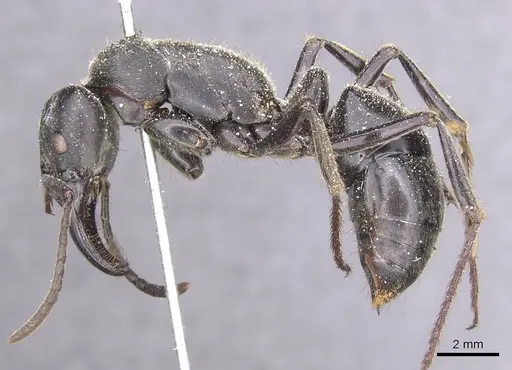
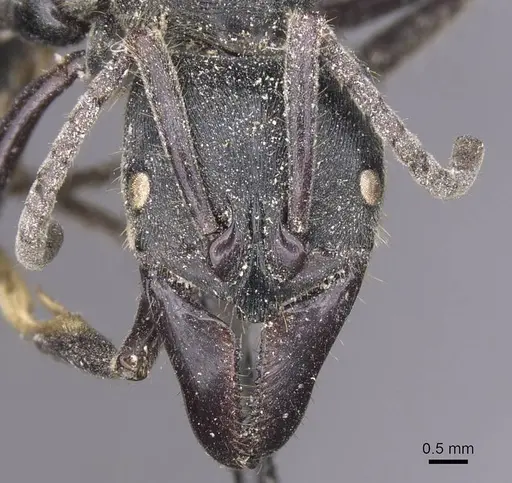
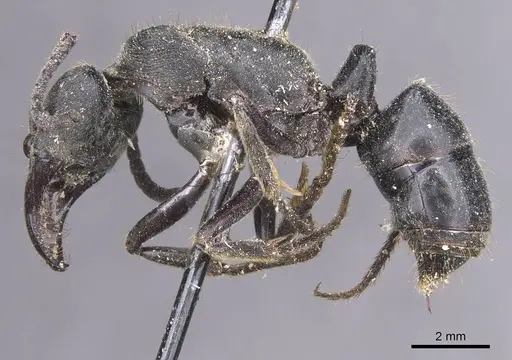
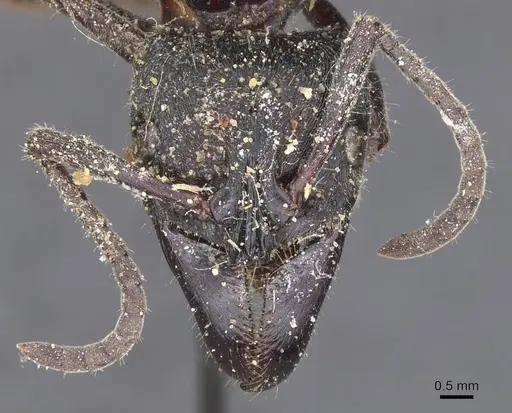
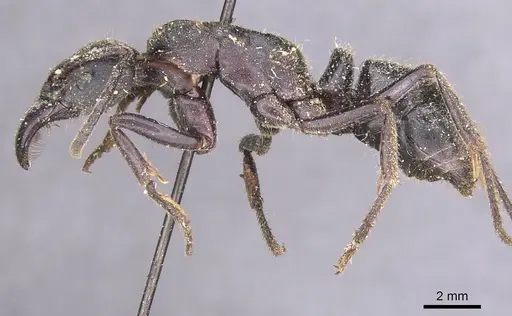
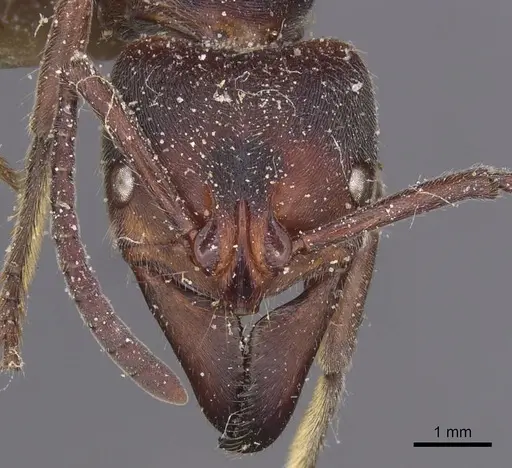
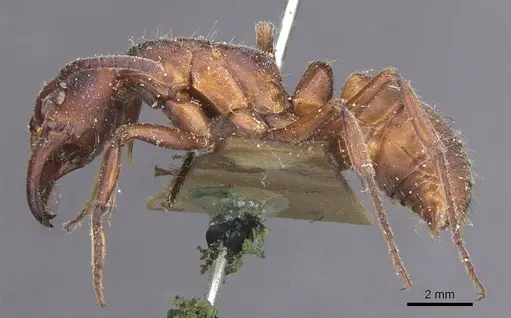
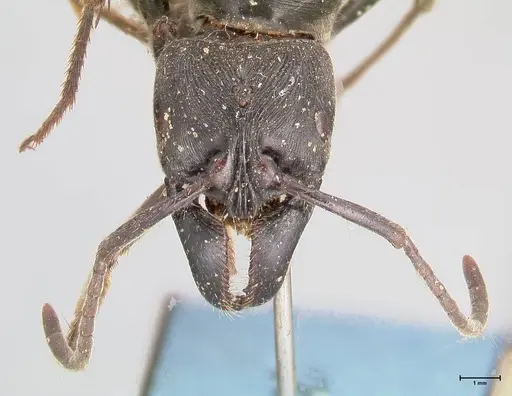
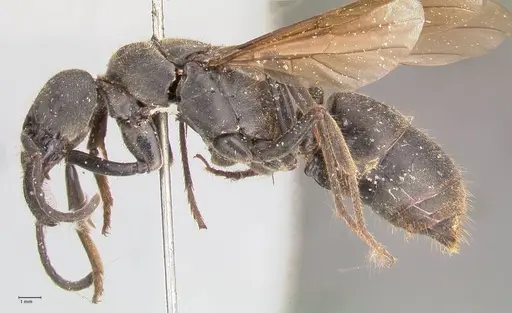
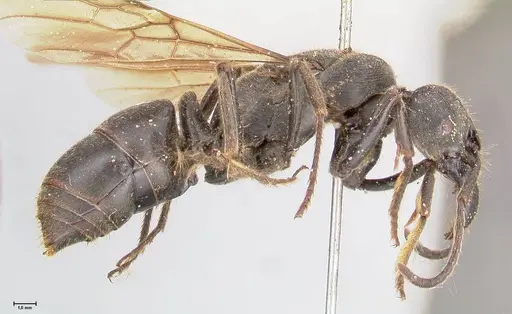
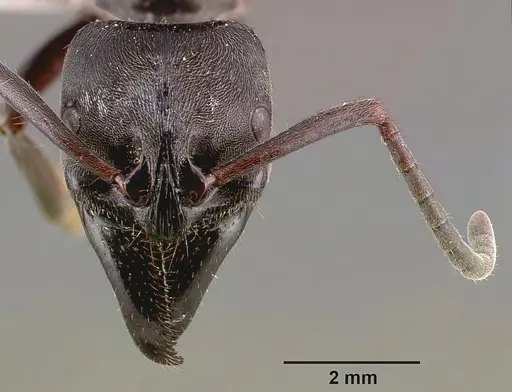
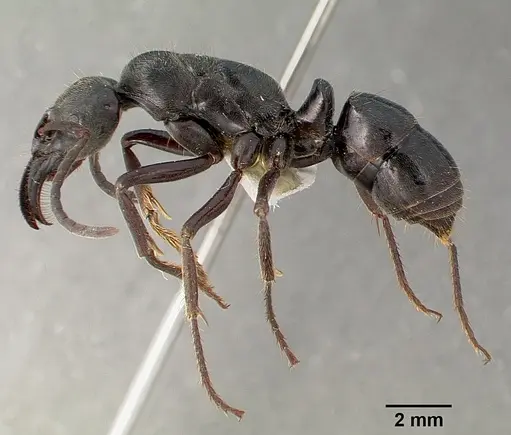
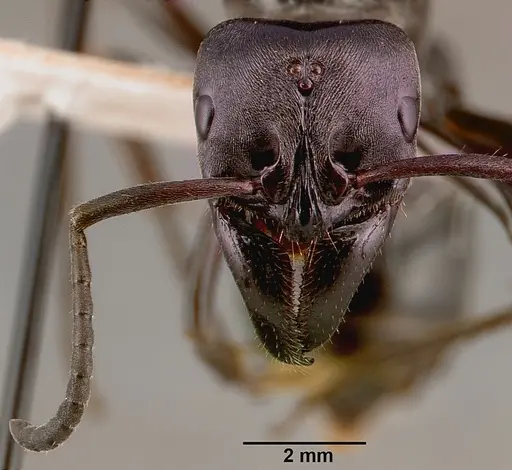
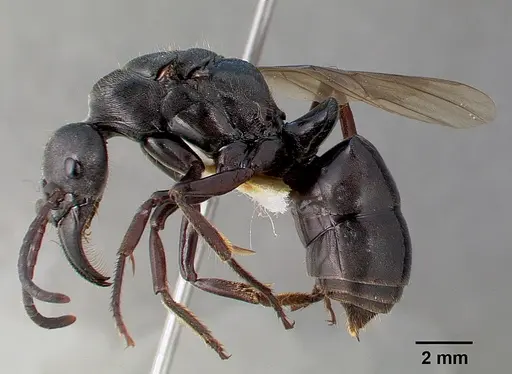
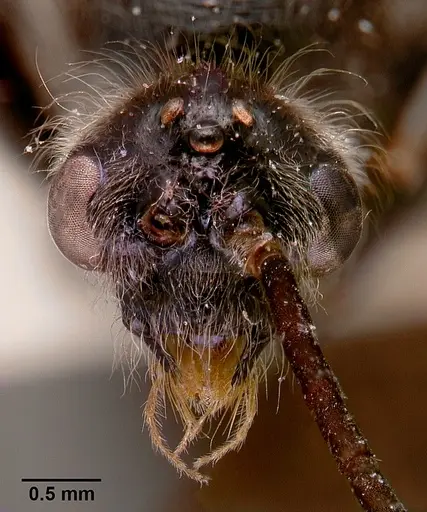
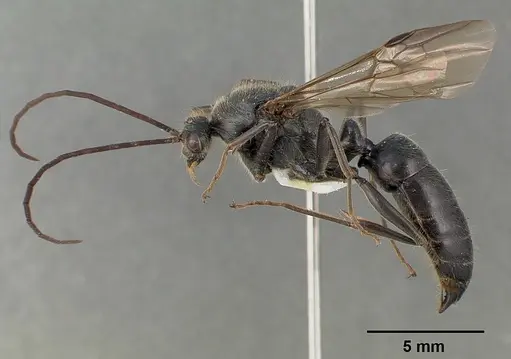
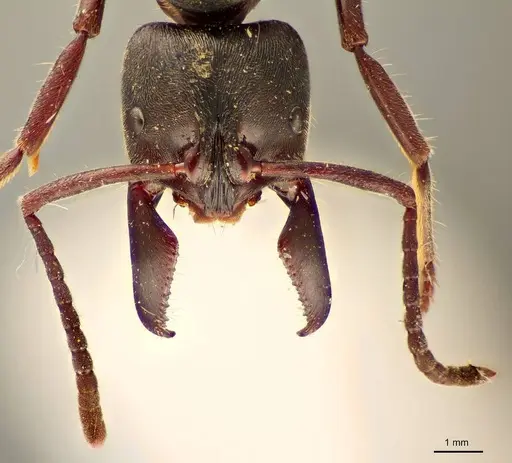
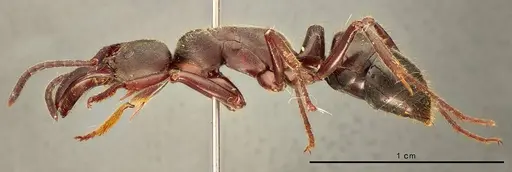
The African Stink Ant is a large predator native to forests and savanna edges across sub-Saharan Africa. Workers are around 13 mm long and dark reddish-black with a strong rotten-egg smell, while queens are significantly larger at 17-20 mm, showing a big size difference between castes . The smell comes from sulfur chemicals in their mandibular glands - it's both a defense and a rescue signal that helps buried workers get dug out by nestmates . These ants build elaborate underground nests with tunnel systems that can stretch over 130 m, using multiple entrances to reach a wide foraging area while staying safe from predators .
Quick Summary
- Difficulty: Medium
- Origin & Habitat: Forested areas and forest-savanna transition zones across sub-Saharan Africa, from Senegal to South Africa and east to Kenya and Tanzania [1]. Nests are built in soil with multiple entrances, usually under good canopy cover [3].
- Colony Type: Monogyne, each colony has a single mated queen. All excavated nests in studies had only one dealate queen [3]. Queens and workers have very different body sizes, and queens have 28 ovarioles while workers have 14 [4].
- Size & Growth:
- Queen: 17-20 mm [1]
- Worker: 13 mm [1]
- Colony: Up to 5000+ workers, average around 1576 workers per colony [1]
- Growth: Moderate
- Development: Unknown, no direct data available for this species (Semi-claustral founding means queens must hunt to feed the first larvae, which likely slows down development. First workers are not nanitics, they are about the same size as the queen [3].)
- Antkeeping:
- Temperature: Keep at 24-28°C. As a tropical forest species, they need warm, stable conditions. A heating cable on one side of the nest creates a useful gradient.
- Humidity: Keep the nest substrate consistently moist but not waterlogged. These ants nest in soil and need damp conditions for brood development. Provide a water tube for drinking.
- Diapause: No, being a tropical African species, they don't need hibernation. Keep temperatures stable year-round.
- Nesting: These ants need a lot of space for their extensive tunnel systems. A large naturalistic setup with deep soil (at least 10-15 cm) or a custom formicarium with multiple chambers works best. They will dig their own tunnels if given the right substrate.
- Behavior: Workers forage alone but can call for nestmates when they find big or lots of prey. They use visual canopy patterns to find their way home, a unique navigation trick [5]. Each worker sticks to one specific nest exit, using underground tunnels to get there. When a tunnel collapses and a worker gets buried, it releases that rotten-egg smell to trigger a rescue dig [2]. The sting pain is mild (1.5 on the Schmidt scale) [6].
- Common Issues: Semi-claustral founding is risky, queens must leave the nest to hunt, making them easy prey. Expect high queen mortality., Large colony size means you need a big setup. A small nest will be quickly outgrown., They are big and strong, use tight-fitting barriers to prevent escapes., Wild colonies may carry Cordyceps fungus or other parasites [6]., They need live prey (especially termites) and rarely take sugar sources. You'll need a steady supply of insects.
Queen Ant Activity Analysis 79 observations
Queen Activity by Hour 79 observations
Paltothyreus tarsatus queen activity peaks around 11:00 during the late morning to early afternoon. Activity is spread across a 15-hour window (04:00–18:00). Times may be influenced by human observation patterns.
Housing and Nest Setup
Paltothyreus tarsatus needs more space than most ant species because of their large colonies and love for tunneling. A naturalistic setup with at least 10-15 cm of deep soil works great, they'll dig out their own tunnel network. Or you can use a custom formicarium with many connected chambers, but give them lots of horizontal space. The nest should have multiple exits to the outworld because each worker uses a different exit when foraging [3]. Use a substrate that holds moisture well, like a sand-clay mix. Always provide a water tube since they drink regularly. Standard test tubes are too small for these big ants, plan a substantial setup from the start.
Feeding and Diet
These are active predators that live mostly on termites and other live prey. In the wild, over 90% of their diet is arthropods, especially termites (like Macrotermes), millipedes, and other ants such as Camponotus species [1]. Workers hunt alone but can recruit nestmates when they find a big meal or a lot of small prey. They use a smart strategy: when prey is clustered (like termites), they grab several at once, when prey is big and spread out, they go for one large item and call for help [7]. Feed them a variety of live insects: mealworms, crickets, and especially termites. They rarely accept sugar sources, so focus on protein. Offer food 2-3 times per week for established colonies.
Temperature and Climate Control
As a tropical African species, Paltothyreus tarsatus needs warmth. Keep the nest area at 24-28°C. They come from forests where temperatures are steady year-round. Use a heating cable on one side to create a gradient so the ants can move to their preferred spot. Put the heating on top of the nest material rather than underneath to avoid drying out the soil. Room temperature might work if your home stays in the low-mid 20s°C. Watch for sluggish behavior, if the ants cluster in one spot, adjust the temperature. No hibernation is needed or recommended. [1]
Behavior and Foraging
This species has some really cool behaviors. Workers forage alone but use chemical trails to call for help when they find a big prey item, they lay trails from the food back to the nest using their sternal gland [8]. They navigate by looking at the canopy above them, matching patterns in the tree leaves, not by using the sun [5]. Each worker has its favorite nest exit and uses underground tunnels to get there before heading out. If a tunnel collapses and a worker gets trapped, it releases the rotten-egg smell (dimethyl disulfide and dimethyl trisulfide) to tell nestmates to dig it out [2]. This rescue behavior is similar to that of the termite-hunting ant Megaponera analis.
Defense and Sting
Paltothyreus tarsatus has two main ways to defend itself. First, it releases a strong rotten-egg smell from its mandibular glands. This smell contains sulfur compounds (dimethyl disulfide and dimethyl trisulfide) that serve as an alarm and a rescue signal, buried workers release it to get dug out [9]. Second, it has a functional sting. The pain rating is only 1.5 on the Schmidt scale, so it's pretty mild compared to other ponerines [6]. The venom also has bitter-tasting cyclic dipeptides [10]. For keepers, the smell is usually the bigger deal, it can be really strong when you disturb the nest. The sting isn't a big problem for most people.
Colony Founding
Starting a colony from a queen is tough because they are semi-claustral. After mating, the queen must go out to hunt for food to feed her first larvae, she can't rely on stored fat like claustral species [3]. This makes founding queens easy targets for predators. The first workers are not smaller (nanitics), they are the same size as the queen, which takes more food and energy. Wild colonies produce lots of new queens every year to make up for the high death rate during founding [1]. If you get a founding queen, give her small live prey regularly and a deep, dark chamber where she can hunt safely.
Frequently Asked Questions
How long does it take for Paltothyreus tarsatus to produce first workers?
The exact timeline isn't known, but it likely takes longer than claustral species because the queen has to hunt to feed her larvae. Based on similar ponerine ants, expect 2-4 months at warm temperatures (26-28°C). The first workers will be full-sized, not smaller nanitics.
Can I keep multiple Paltothyreus tarsatus queens together?
No. This species is strictly monogyne, a colony accepts only one queen. Multiple queens will fight. All excavated nests had just one mated queen [3].
What do Paltothyreus tarsatus eat?
They are active hunters that need live prey. Their diet is mostly termites, but they also take large prey like millipedes and crickets. Feed them a variety of live insects, mealworms, crickets, and especially termites. They rarely eat sugar sources. This is not a beginner species for feeding because you need a steady supply of live insects [7].
How big do Paltothyreus tarsatus colonies get?
Colonies can reach over 5000 workers, with an average of about 1576 workers per colony. Some nests in Ivory Coast had more than 5000,and one study found a nest with 2444 adult workers [1]. That's big for a ponerine and means you need a lot of space.
Are Paltothyreus tarsatus good for beginners?
No. This species is rated medium difficulty and is not recommended for beginners. They need live prey (not sugar), lots of space for their tunnels, have risky semi-claustral founding, and produce a strong smell. Better for experienced keepers who can provide live insects and a big setup.
Do Paltothyreus tarsatus need hibernation?
No. As a tropical African species, they don't need hibernation. Keep temperatures stable at 24-28°C all year. They're adapted to warm, steady forest conditions and don't handle cold well.
Why do they smell like rotten eggs?
They produce dimethyl disulfide and dimethyl trisulfide in their mandibular glands. This smell acts as both an alarm and a rescue signal, when a worker gets buried in a tunnel collapse, the odor tells nestmates to dig it out. It's a unique and fascinating behavior [9][2].
How do Paltothyreus tarsatus navigate?
They use the pattern of the forest canopy above them, not the sun or polarized light. Workers look up and match the visual pattern to find their way. Each ant also has a favorite nest exit and travels underground to reach it before foraging [5].
When should I move them to a formicarium?
Wait until the colony has at least 50-100 workers. Because they love to tunnel, a naturalistic setup with deep soil is often better than a standard formicarium. They need room for their multi-chamber, multi-exit nest system [3].
When do Paltothyreus tarsatus queens forage?
Queen activity of Paltothyreus tarsatus typically occurs From February to December. Times may be influenced by human observation patterns.
What time of day are Paltothyreus tarsatus queens most active?
Queen activity of Paltothyreus tarsatus peaks around 11:00 during the late morning to early afternoon, with most activity between 04:00 and 18:00. Times may be influenced by human observation patterns.
Report an Issue
The current care sheet is based fully on literature. See inconsistencies, or something that's incorrect? Please , it will be resolved after review from an admin. Contributing to the blogs tab also helps providing information, to make us be able to further improve the caresheets. Thank you for your support!
References

This caresheet is licensed under CC BY-SA 4.0 .
Community Blogs
ANTWEB1008570
View on AntWeb
CASENT0003140
View on AntWeb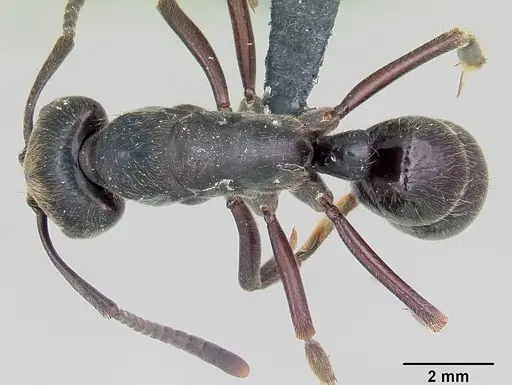
CASENT0172430
View on AntWeb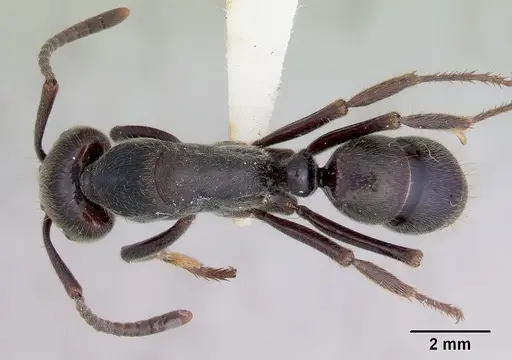
CASENT0217112
View on AntWeb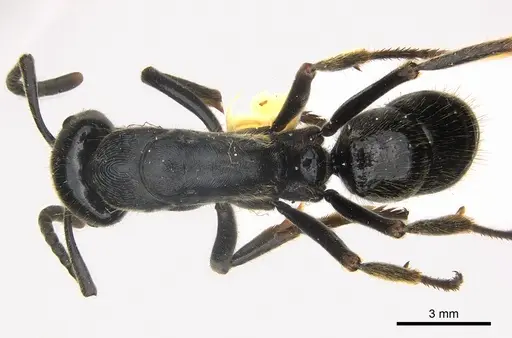
CASENT0235610
View on AntWeb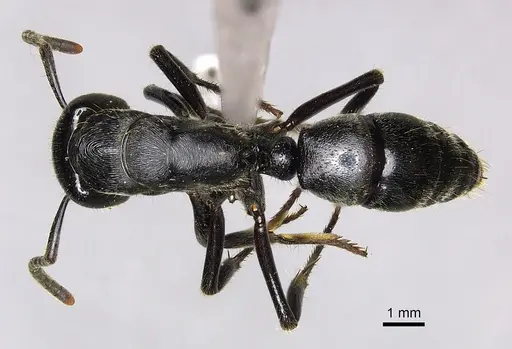
CASENT0249209
View on AntWeb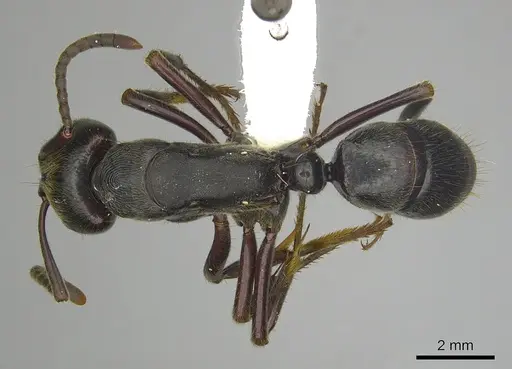
CASENT0250563
View on AntWeb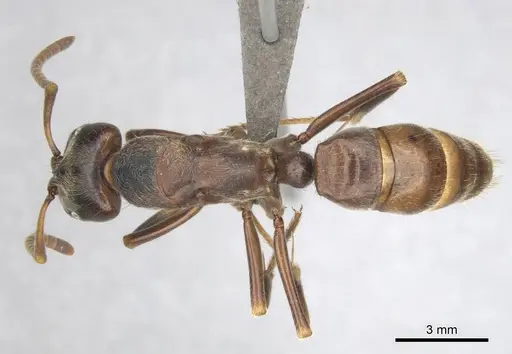
CASENT0352452
View on AntWeb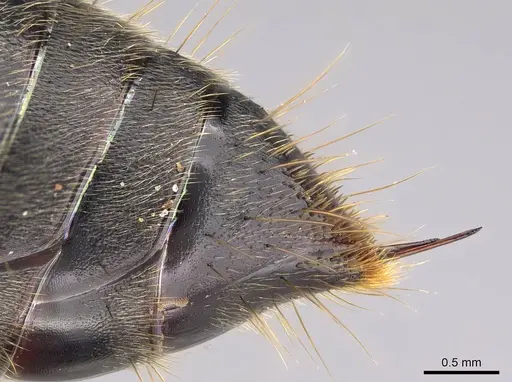
CASENT0352470
View on AntWeb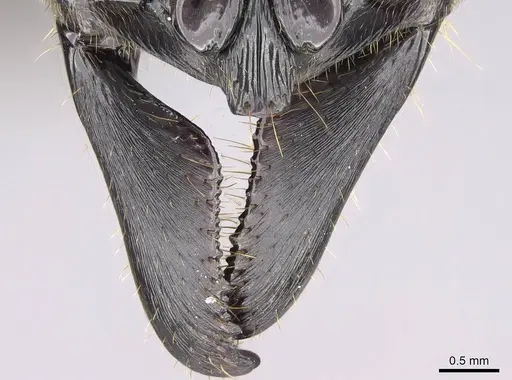
CASENT0639569
View on AntWeb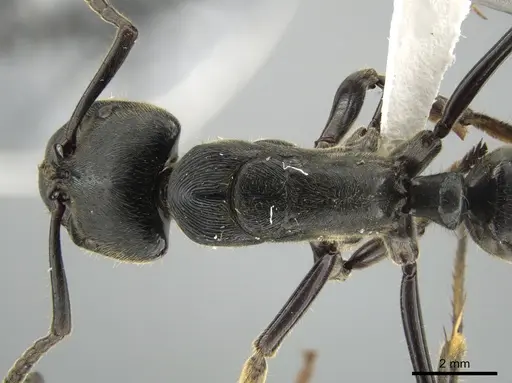
CASENT0900679
View on AntWeb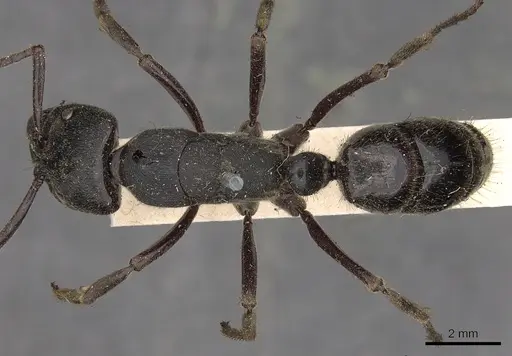
CASENT0900680
View on AntWeb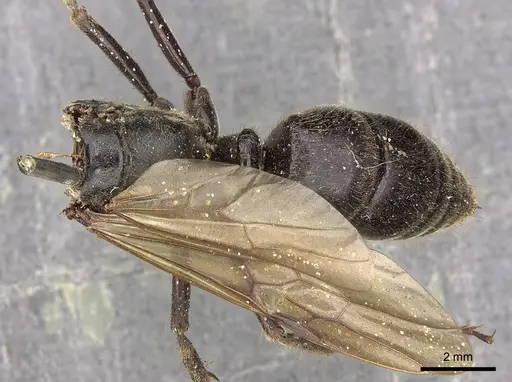
CASENT0900681
View on AntWeb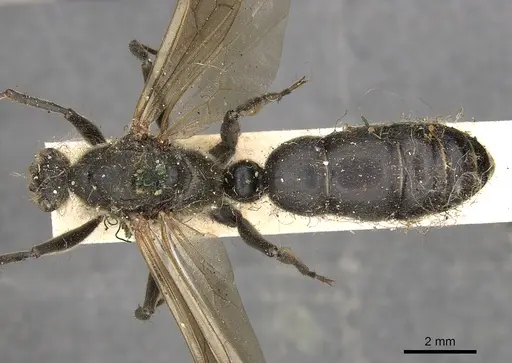
CASENT0903862
View on AntWeb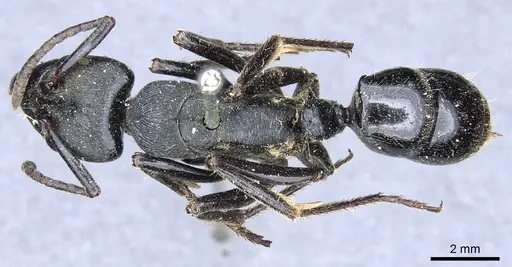
CASENT0915277
View on AntWeb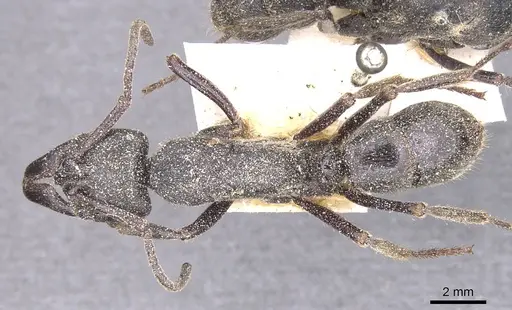
CASENT0915278
View on AntWeb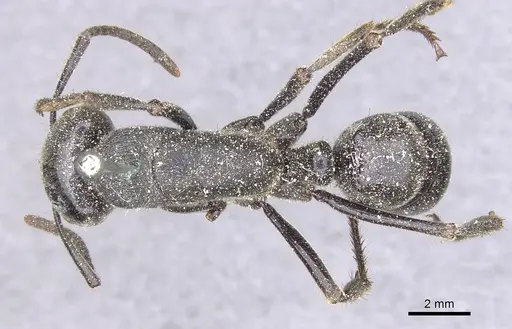
CASENT0915279
View on AntWeb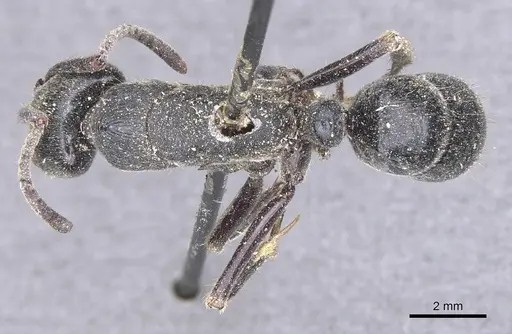
CASENT0915280
View on AntWeb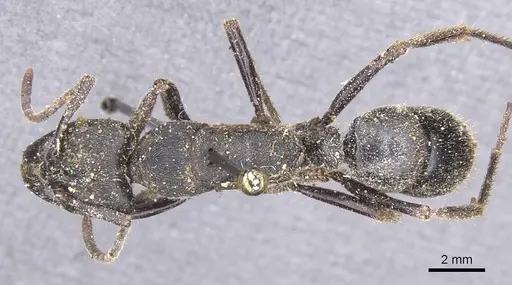
CASENT0915281
View on AntWeb
FOCOL0946
View on AntWeb
SAM-HYM-C000249A
View on AntWeb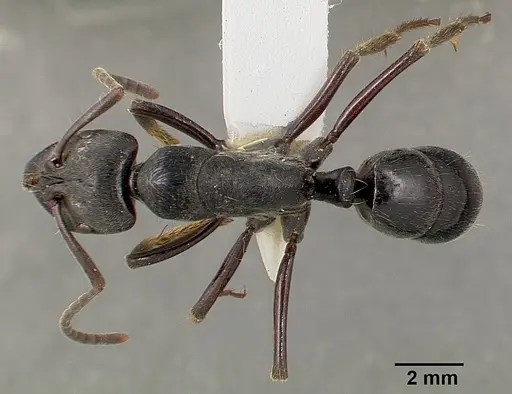
SAM-HYM-C000551A
View on AntWeb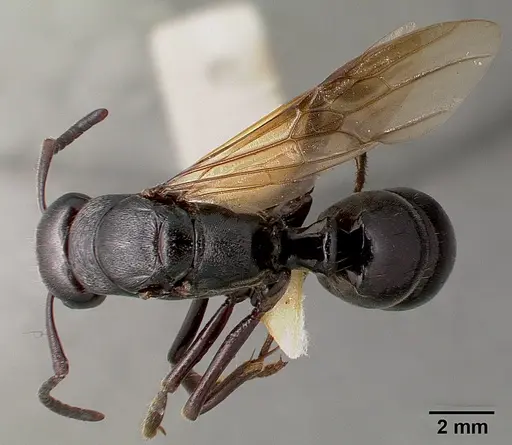
SAM-HYM-C000551B
View on AntWeb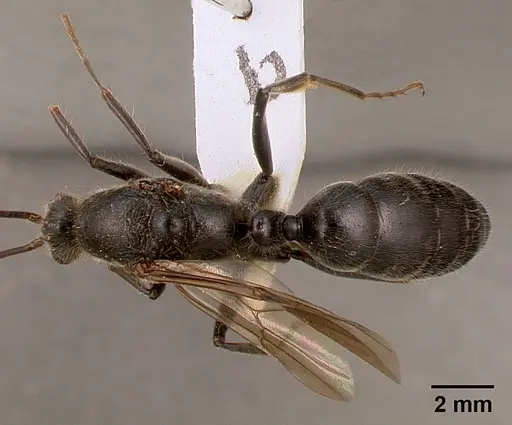
ZMUC00045124
View on AntWeb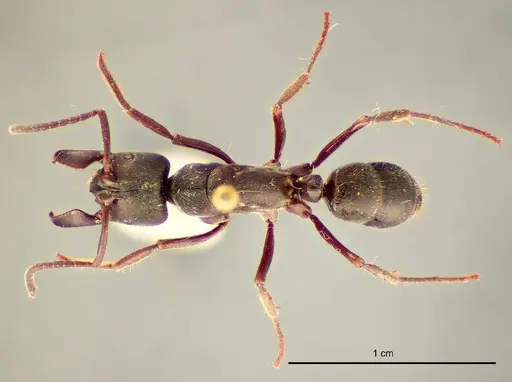
Literature
Loading distribution map...Loading products...