
Parvaponera sheldoni
- Sci. Name
- Parvaponera sheldoni
- Tribe
- Ponerini
- Subfamily
- Ponerinae
- Author
- Mann, 1919
- Distribution
- Found in 0 countries
Introduction
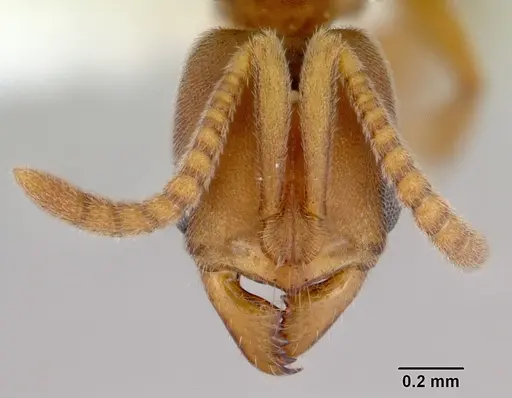
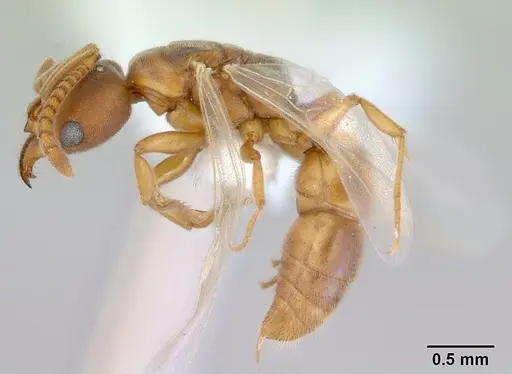
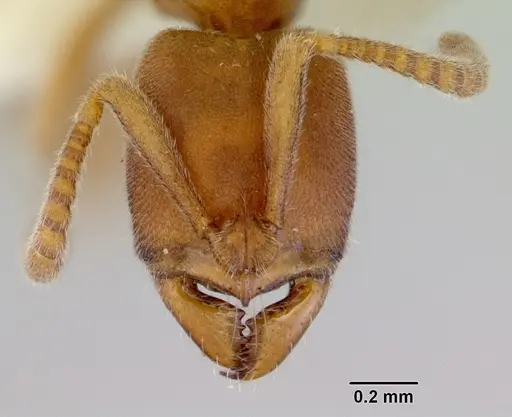
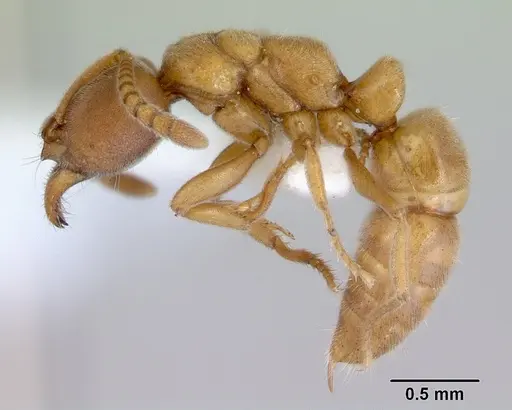
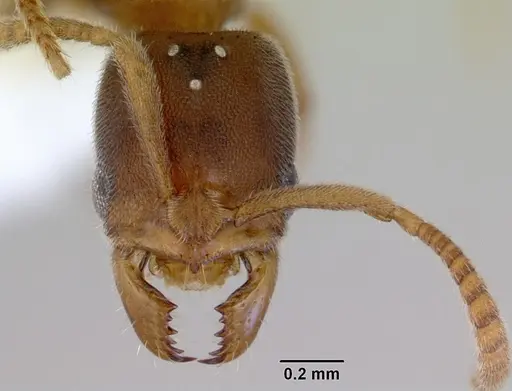
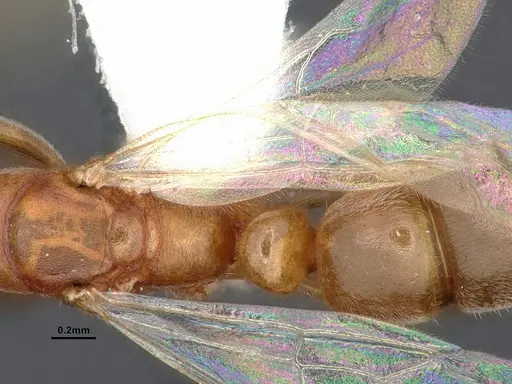
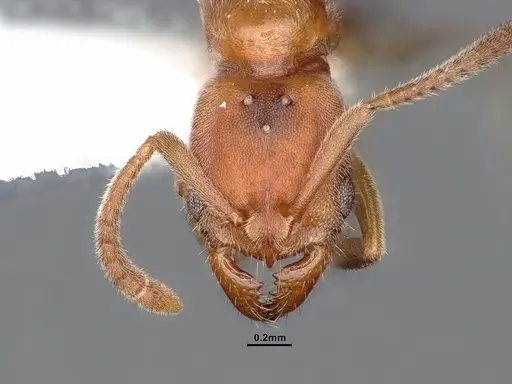
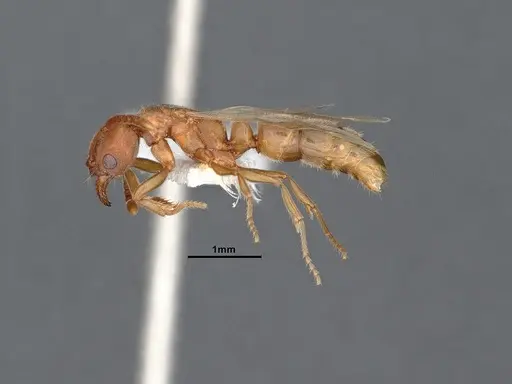
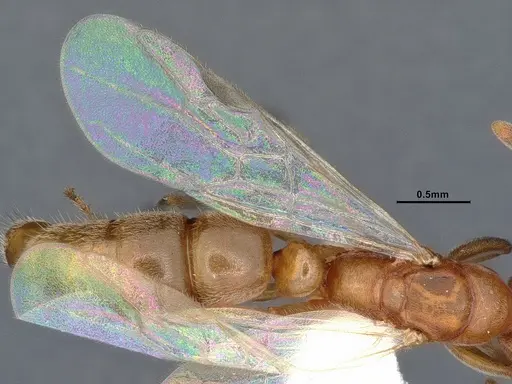
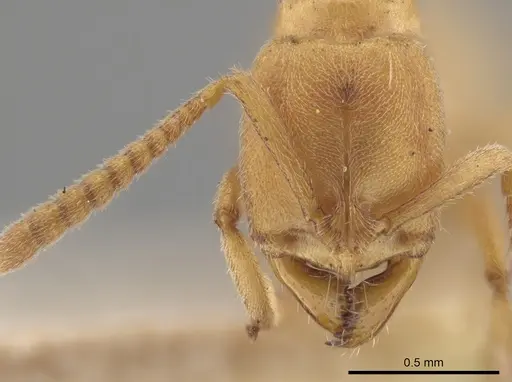
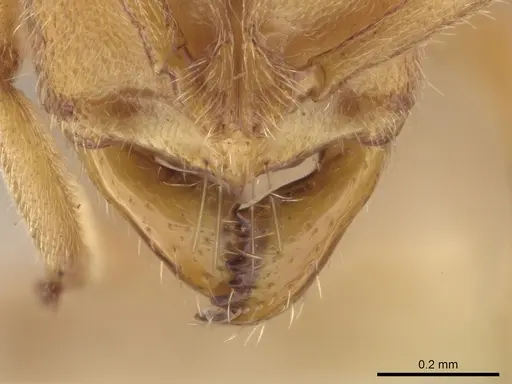
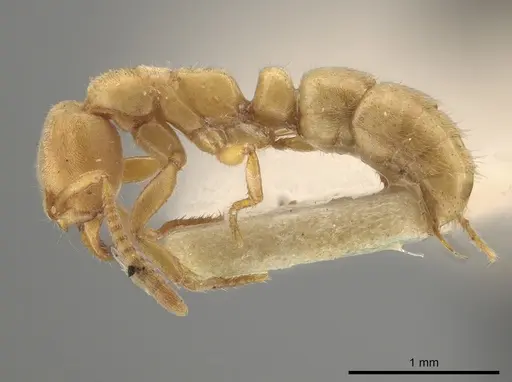
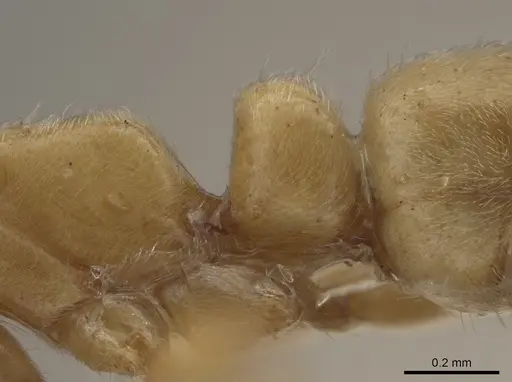
Parvaponera sheldoni is a small predatory ant in the subfamily Ponerinae, found in the Philippines, Solomon Islands, and northern Australia . It has a distinct medial spine on the clypeus . Body size data is unavailable, but it is a small species typical of Ponerinae. This species was originally described from the Solomon Islands in 1919,and the Philippine population was once considered a separate species but is now recognized as the same .
Quick Summary
- Difficulty: Medium
- Origin & Habitat: Tropical forests in the Solomon Islands, Philippines, and northern Australia [1][2].
- Colony Type: Unconfirmed, colony structure is not specified in the research.
- Size & Growth:
- Queen: Size data unavailable, no total length measurements provided.
- Worker: Size data unavailable, no total length measurements provided.
- Colony: Unknown, likely small based on typical Ponerinae patterns.
- Growth: Unknown
- Development: Unknown, no data available. (Development timeline unconfirmed.)
- Antkeeping:
- Temperature: Keep warm, around 24-28°C, based on tropical habitat [1].
- Humidity: Keep substrate moist but not waterlogged, as they inhabit humid forests [1].
- Diapause: No, tropical species do not require hibernation, inferred from habitat [1].
- Nesting: Likely soil or rotting wood in nature, in captivity, use small test tube or nest with moist substrate, inferred from typical Ponerinae nesting preferences.
- Behavior: Ponerinae ants are predatory and have a sting. Handle with care. Escape risk is high due to tiny size, use fine mesh barriers, inferred from subfamily traits.
- Common Issues: tiny size means escapes are likely without fine mesh barriers., predatory diet requires live prey, colonies often fail if only given dead food., high humidity needs can lead to mold if ventilation is poor., tropical species may struggle in cool or dry room conditions., small colony size makes them vulnerable to stress, avoid disturbing founding colonies.
Housing and Setup
Parvaponera sheldoni is a tiny ant, so housing must be appropriately scaled. A small test tube setup works well for founding colonies, use a small diameter tube that allows the queen and workers to walk along the water reservoir. For established colonies, a small Y-tong nest or plaster nest with narrow chambers works well. The nest material should be kept moist, these forest-floor ants need humidity [1]. A small outworld area allows for feeding. Because of their minute size, escape prevention is critical, use fluon on nest edges and fine mesh on any ventilation. A humidity chamber can help maintain moisture levels.
Feeding and Diet
As a Ponerinae ant, Parvaponera sheldoni is predatory and needs live prey to thrive. Offer small live insects appropriate to their tiny size, fruit flies, pinhead crickets, small mealworms, and micro-arthropods like springtails are ideal. They likely hunt small invertebrates in nature, so prey should be no larger than their own body size. Some sugar water or honey may be accepted for energy, but protein from live prey is essential for brood development. Feed every 2-3 days, removing uneaten prey to prevent mold.
Temperature and Seasonal Care
This tropical species requires warm temperatures year-round. Keep the nest area at 24-28°C, with a slight gradient allowing workers to choose their preferred temperature [1]. A small heating cable placed on part of the nest can provide gentle warmth. Room temperature alone is likely insufficient unless your room stays consistently warm. Do not allow temperatures to drop below 22°C for extended periods. Since this is a tropical species, no hibernation or winter rest is needed, keep them warm and active year-round.
Behavior and Handling
Parvaponera sheldoni is a predatory Ponerinae ant with a potent sting relative to its tiny size. While the sting may not be dangerous to humans, it can be painful and some people may have allergic reactions. These ants are active foragers and will hunt live prey in the outworld. Workers are small but determined hunters. Colonies are likely modest in size, don't expect massive worker counts. Avoid disturbing founding colonies excessively. The tiny size of these ants makes them excellent escape artists, ensure all connections are sealed and use fluon barrier bands.
Frequently Asked Questions
How long does it take for Parvaponera sheldoni to produce first workers?
The exact timeline is unconfirmed, but based on typical Ponerinae development, expect 6-10 weeks from egg to worker at optimal temperatures (24-28°C). Founding colonies can be slow to establish, be patient.
What do Parvaponera sheldoni ants eat?
They are predatory ants that need live prey. Offer small live insects like fruit flies, micro-crickets, springtails, and small mealworms. Sugar water or honey should also be available for energy. Dead food is typically not accepted, they need moving prey to trigger hunting behavior.
Do Parvaponera sheldoni ants sting?
Yes, as a Ponerinae ant they have a potent sting for their size. While tiny, the sting can be painful and may cause reactions in sensitive individuals. Handle with care and avoid direct contact.
Can I keep multiple Parvaponera sheldoni queens together?
This is not recommended. Colony structure is unconfirmed, but most Ponerinae form single-queen colonies. Combining unrelated foundress queens has not been documented and would likely result in fighting.
What temperature do Parvaponera sheldoni ants need?
Keep them warm at 24-28°C. This tropical species requires consistent warmth, based on its habitat [1]. A small heating cable on part of the nest can help maintain appropriate temperatures.
Do Parvaponera sheldoni need hibernation?
No, they are a tropical species and do not require hibernation. Keep them warm year-round at 24-28°C. Do not attempt to cool them down for winter rest.
How big do Parvaponera sheldoni colonies get?
Colony size is unknown but likely remains small, inferred from typical Ponerinae patterns. No specific data is available.
Are Parvaponera sheldoni good for beginners?
This species is rated as Medium difficulty. Their predatory diet, high humidity needs, and tiny size make them more challenging than simple sugar-water feeders. Some antkeeping experience is recommended.
When should I move Parvaponera sheldoni to a formicarium?
Wait until the colony has at least 20-30 workers before moving to a formicarium. For founding colonies, keep them in a simple test tube setup until the colony is established. Disturbing too early can cause colony abandonment.
Why are my Parvaponera sheldoni dying?
Common causes include: too cold (below 22°C), too dry (low humidity), lack of live prey, mold from overwatering, or escape/stress from disturbance. Ensure warm, humid conditions and offer live prey regularly. Check for escape routes as their tiny size allows them to squeeze through small gaps.
Report an Issue
The current care sheet is based fully on literature. See inconsistencies, or something that's incorrect? Please , it will be resolved after review from an admin. Contributing to the blogs tab also helps providing information, to make us be able to further improve the caresheets. Thank you for your support!
References

This caresheet is licensed under CC BY-SA 4.0 .
Community Blogs
CASENT0172436
View on AntWeb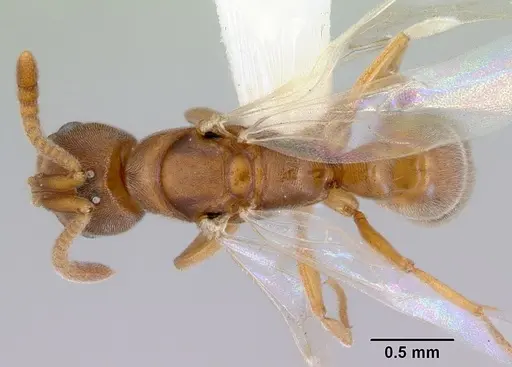
CASENT0172437
View on AntWeb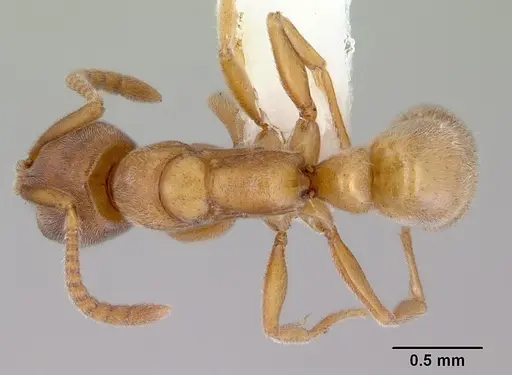
CASENT0172438
View on AntWeb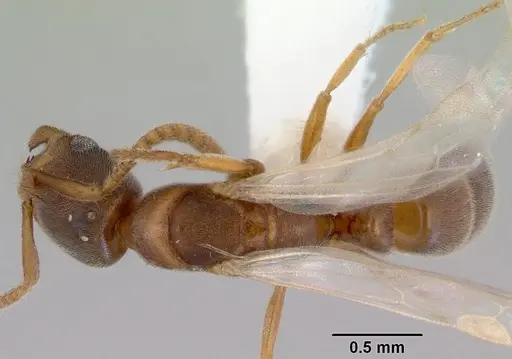
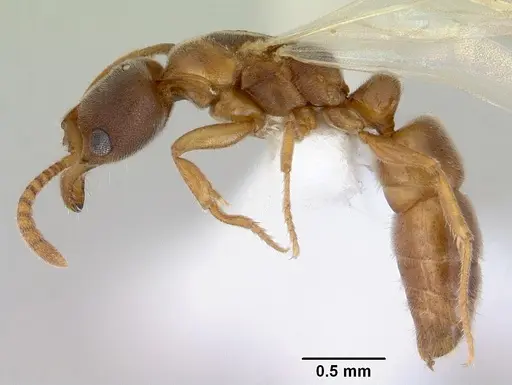
CASENT0249180
View on AntWeb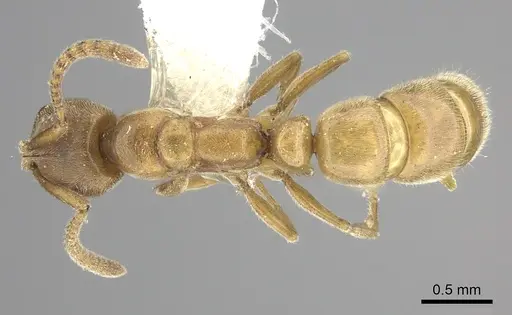
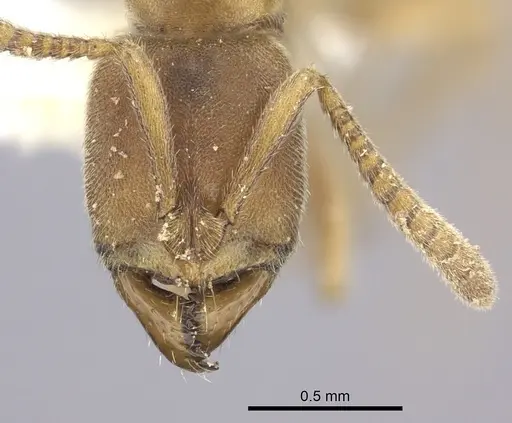
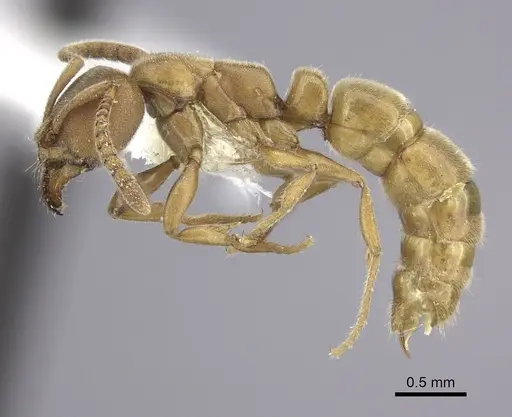
CASENT0884342
View on AntWeb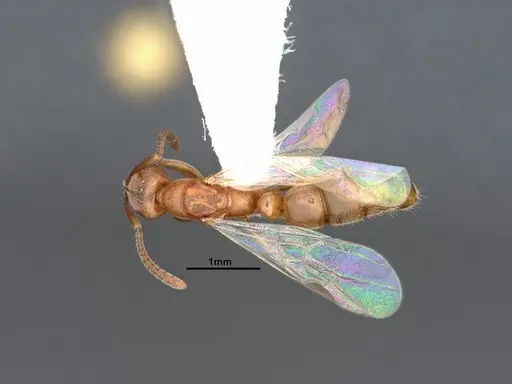
USNMENT00532034
View on AntWeb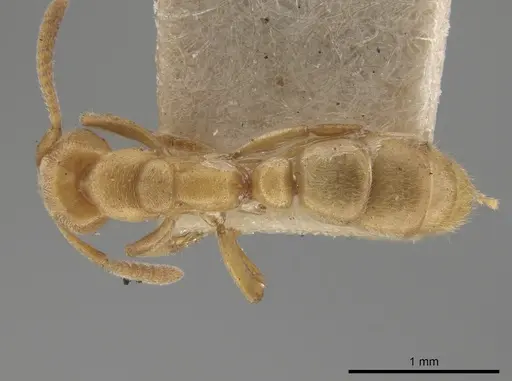
Literature
Loading distribution map...Loading products...