
Pilotrochus besmerus
- Sci. Name
- Pilotrochus besmerus
- Tribe
- Attini
- Subfamily
- Myrmicinae
- Author
- Brown, 1978
- Distribution
- Found in 1 countries
Introduction
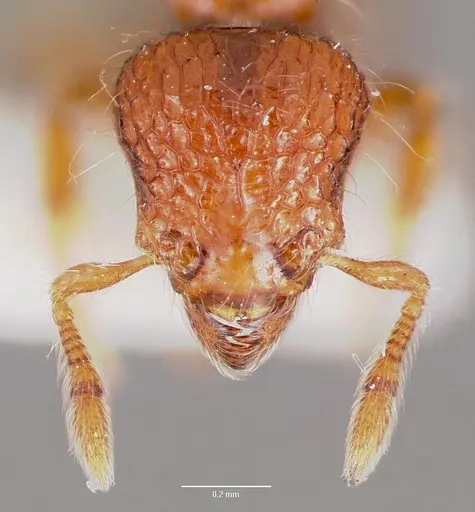
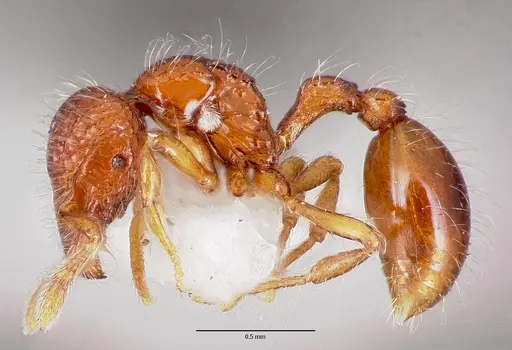
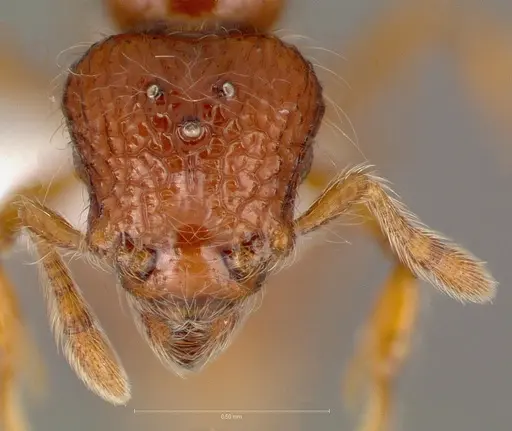
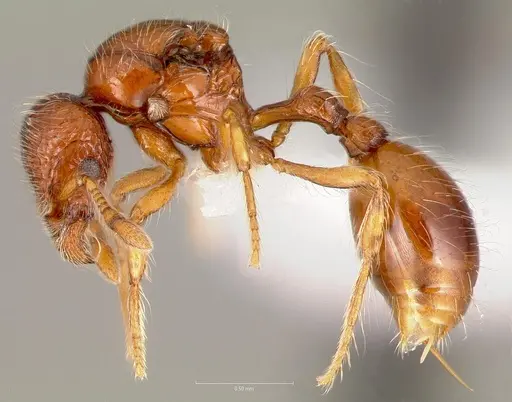
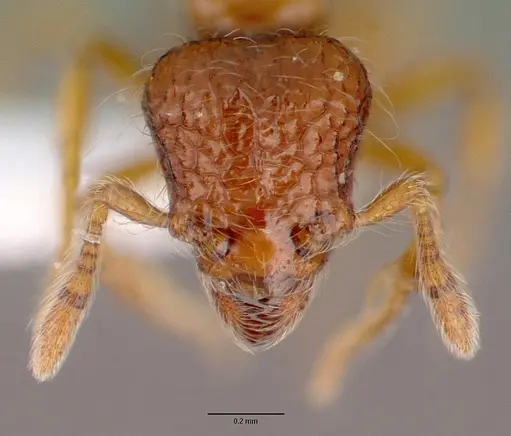
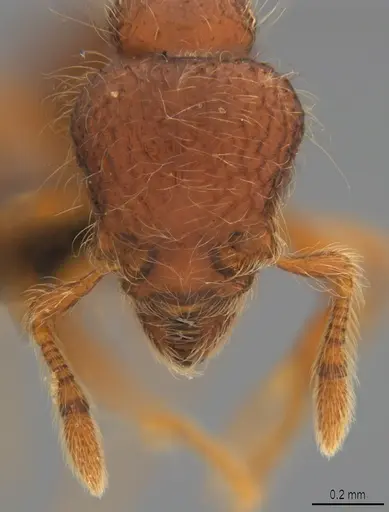
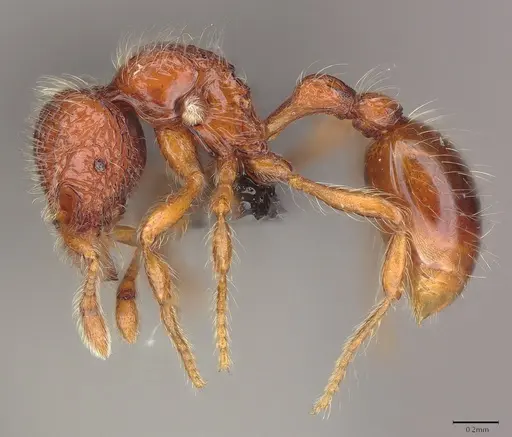
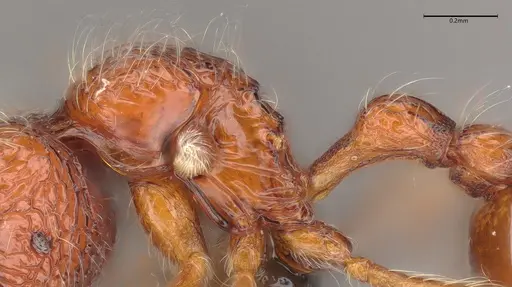
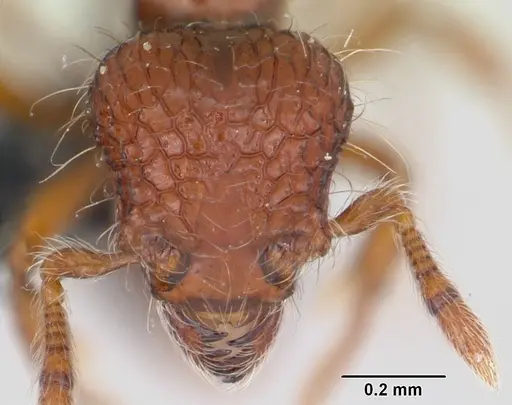
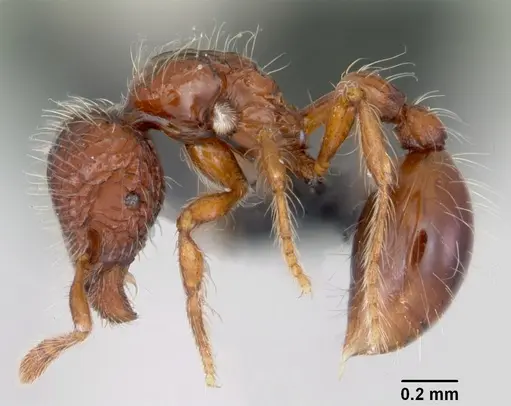
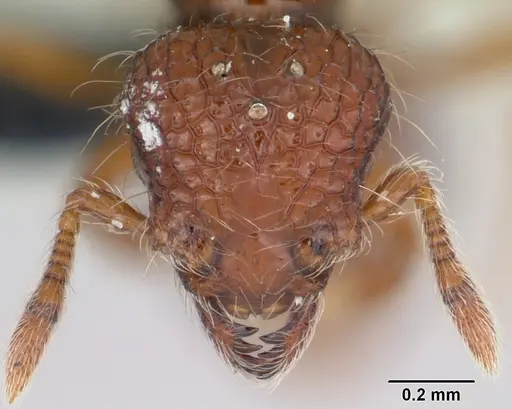
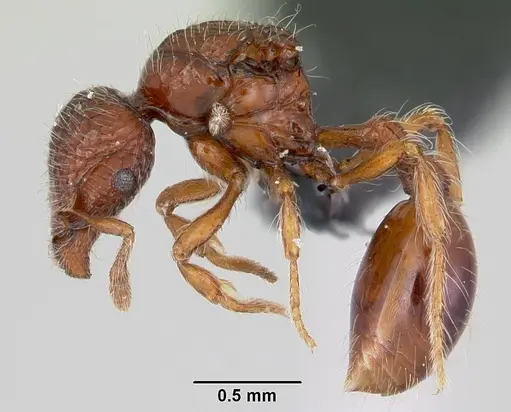
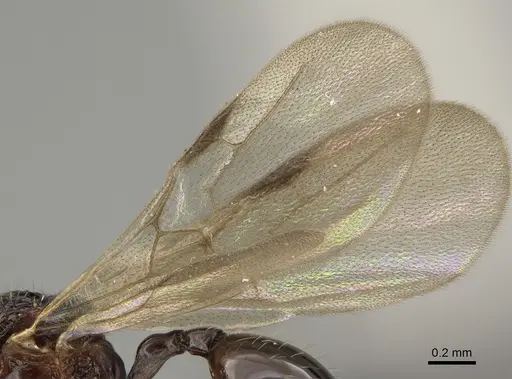
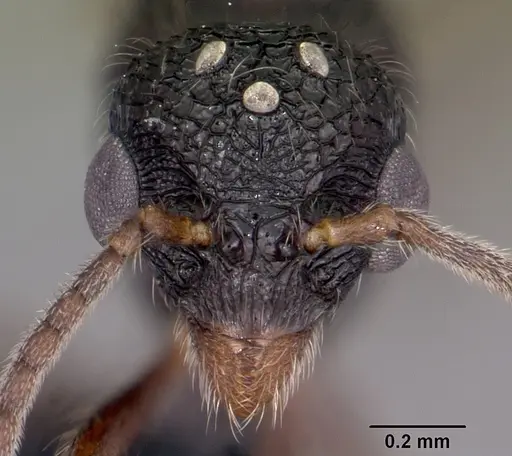
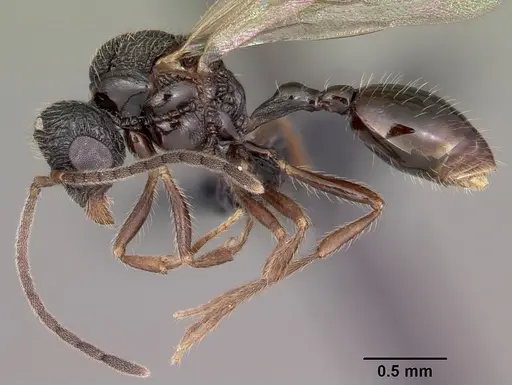
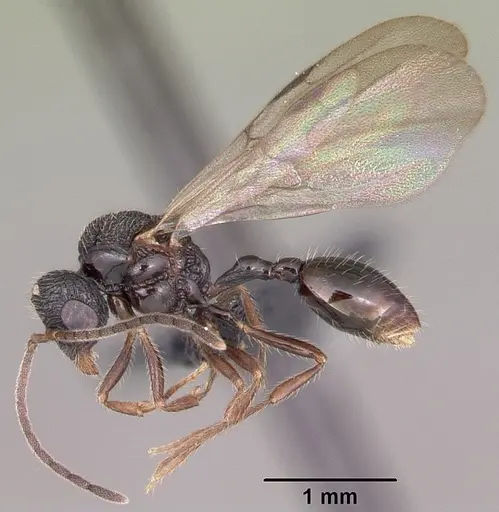
Pilotrochus besmerus is the sole member of its genus, found in forest habitats in eastern Madagascar. Workers are tiny at 2.9mm total length, with 8-segmented antennae and deep head grooves called scrobes . The species was first collected in 1975 from leaf litter samples at around 1250m elevation . Its biology is largely unknown, with no documented colonies or founding behavior.
Quick Summary
- Difficulty: Expert
- Origin & Habitat: Eastern Madagascar, forest habitats at elevations around 1250m. Workers collected from leaf litter samples in humid forest floor environments [2][1].
- Colony Type: Unknown, colony structure has never been documented. Only single workers and occasional queens have been collected from litter samples.
- Size & Growth:
- Queen: Undescribed, queens have been collected but not yet described in scientific literature [1].
- Worker: 2.9mm total length [1].
- Colony: Unknown, no colony has ever been observed or documented.
- Growth: Unknown
- Development: Unknown, no development data exists for this species. (All development timelines are estimates based on similar tiny Myrmicinae from Madagascar.)
- Antkeeping:
- Temperature: Estimated at 24-26°C based on Madagascar forest habitat.
- Humidity: Keep nest substrate consistently moist but not waterlogged, based on litter-dwelling behavior.
- Diapause: Unknown, no seasonal data exists. Madagascar has mild seasons, so diapause may not be required.
- Nesting: Use a test tube setup or small nest with moist soil and leaf litter, inferred from collection data [1].
- Behavior: Behavior is unobserved in captivity. Based on related Strumigenys species [3], they may be cryptic foragers. Their tiny size means high escape risk, use fine mesh barriers. Aggression level is unknown.
- Common Issues: biology is completely unknown, no one has documented what they eat, how they found colonies, or their basic needs., tiny size makes them extremely difficult to house and feed, standard ant keeping equipment may be too large., no captive breeding success has been documented, wild-caught colonies may not establish., escape risk is extremely high due to their minute size, standard barriers often fail., queens have never been described scientifically, finding a mated queen for sale is essentially impossible.
Why Keep Pilotrochus besmerus?
Pilotrochus besmerus is the only member of its genus [1] and a close relative of the trap-jaw ants [3]. Keeping this species offers a chance to work with a poorly understood ant, but care is pioneering since no one has kept it before. This is for expert keepers with resources to experiment.
Housing and Setup
Given their tiny size [1], standard equipment may be too large. Use a test tube setup with tight cotton barriers or a small nest with moist soil and leaf litter. Keep the nest dark since they are cryptic forest-floor ants.
Feeding and Diet
Diet is unknown [1]. Based on related Strumigenys, they may hunt small prey like springtails. Offer live springtails or tiny insect pieces and observe acceptance.
Temperature and Humidity
Based on collection data from eastern Madagascar [2], aim for temperatures around 24-26°C with a gentle gradient. Humidity should be high, keep substrate moist but not waterlogged.
Acquiring This Species
This species is rarely collected and queens are undescribed [2][1]. It is essentially unavailable to hobbyists, and any listings are likely misidentifications.
Frequently Asked Questions
Can I keep Pilotrochus besmerus as a pet ant?
Practically speaking, no. This species has never been kept in captivity [1].
What do Pilotrochus besmerus eat?
This is unknown [1]. Based on related species, they may eat small invertebrates like springtails.
How big do Pilotrochus besmerus colonies get?
No one knows. Colonies have never been observed [1].
What is the ideal temperature for Pilotrochus besmerus?
Estimated at 24-26°C based on Madagascar forest habitat.
Do Pilotrochus besmerus need hibernation?
Unknown, no seasonal data exists [1].
How long does it take for eggs to become workers?
This has never been documented. Related tiny Myrmicinae typically develop in 4-8 weeks, but this is an estimate.
Is Pilotrochus besmerus good for beginners?
No, this is an expert-only species [1].
Can I keep multiple queens together?
Unknown, no data on social structure [1].
Where can I buy Pilotrochus besmerus?
Nowhere, this species is not available in the ant keeping hobby [2][1].
Report an Issue
The current care sheet is based fully on literature. See inconsistencies, or something that's incorrect? Please , it will be resolved after review from an admin. Contributing to the blogs tab also helps providing information, to make us be able to further improve the caresheets. Thank you for your support!
References

This caresheet is licensed under CC BY-SA 4.0 .
Community Blogs
CASENT0003287
View on AntWeb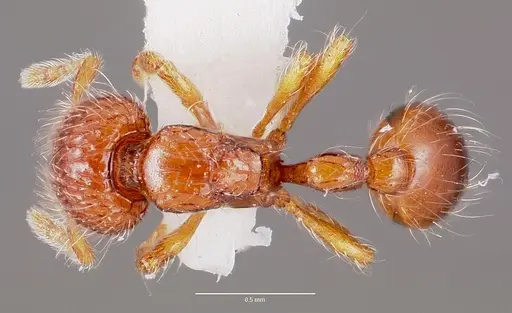
CASENT0005888
View on AntWeb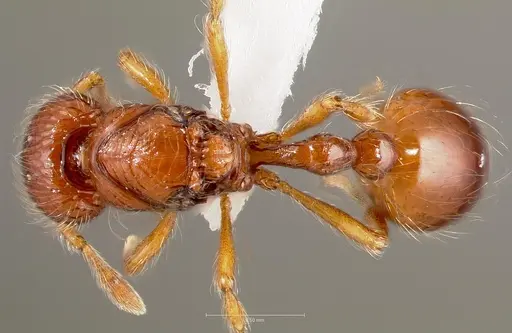
CASENT0010642
View on AntWeb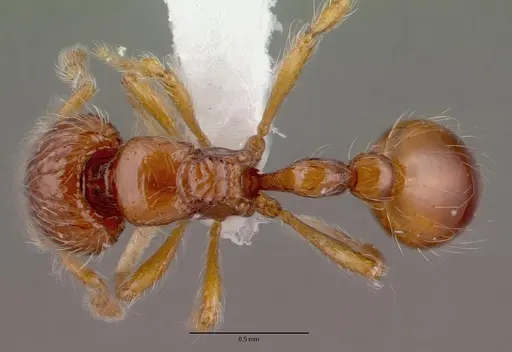
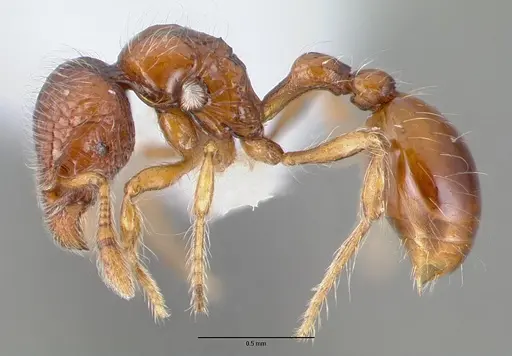
CASENT0043474
View on AntWeb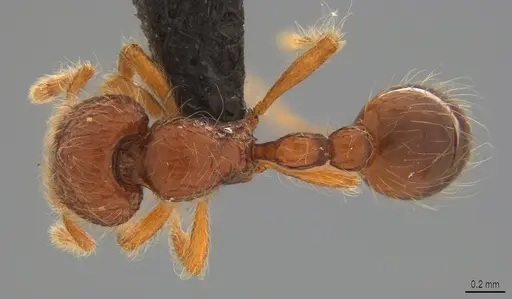
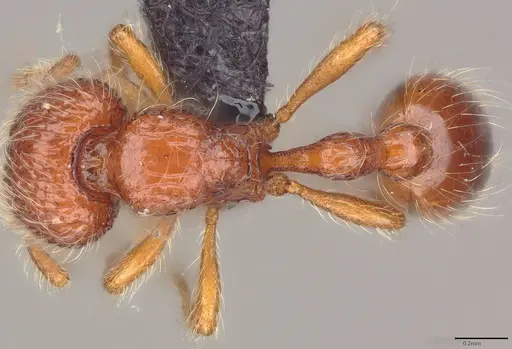
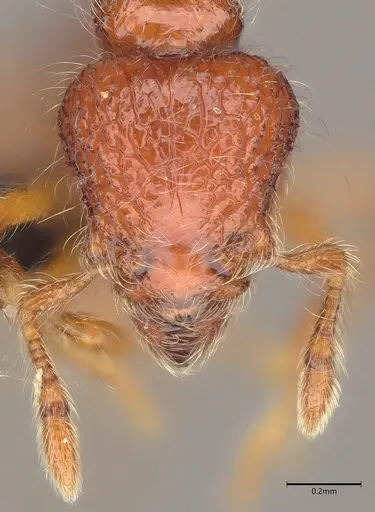
CASENT0047617
View on AntWeb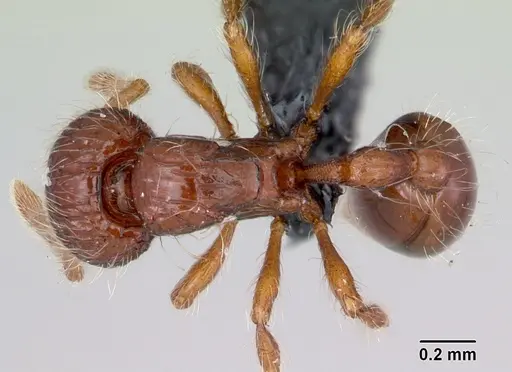
CASENT0047618
View on AntWeb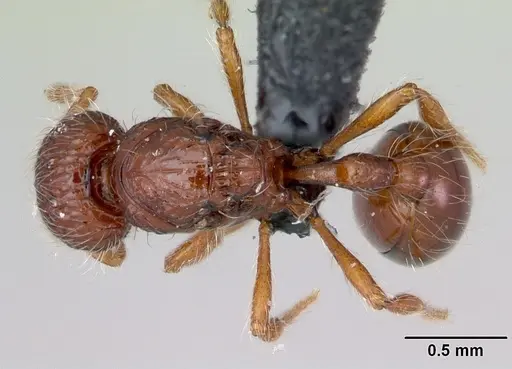
CASENT0057183
View on AntWeb
CASENT0083498
View on AntWeb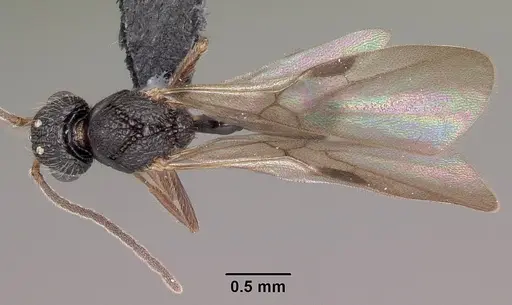
CASENT0923252
View on AntWeb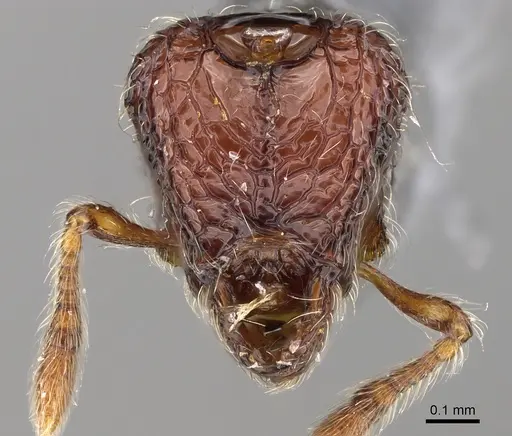
CASENT0923253
View on AntWeb
Literature
Loading distribution map...Loading products...