
Armadillo ant
Tatuidris tatusia
- Sci. Name
- Tatuidris tatusia
- Tribe
- Agroecomyrmecini
- Subfamily
- Agroecomyrmecinae
- Author
- Brown & Kempf, 1968
- Common Name
- Armadillo ant
- Distribution
- Found in 10 countries
Introduction
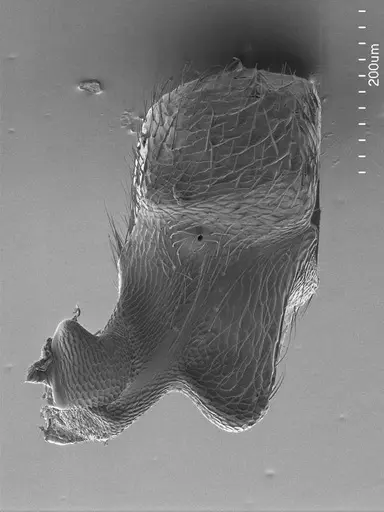
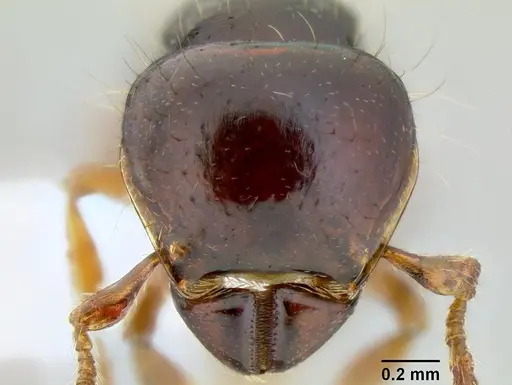
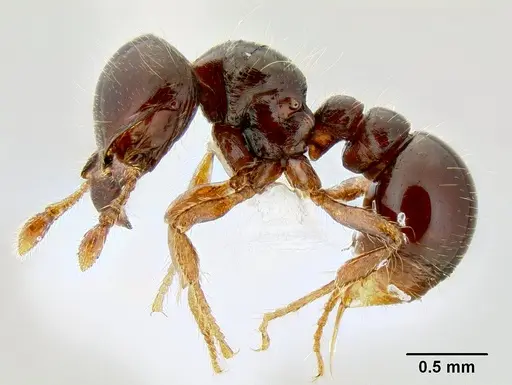
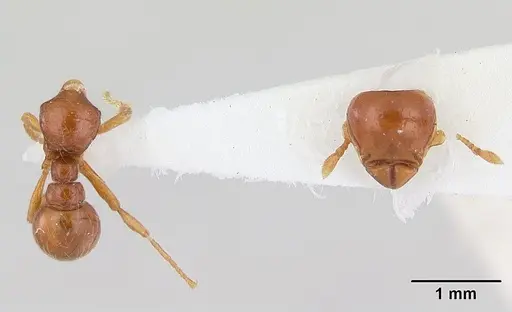
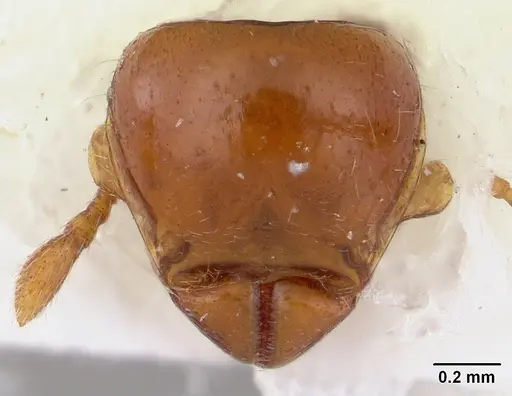
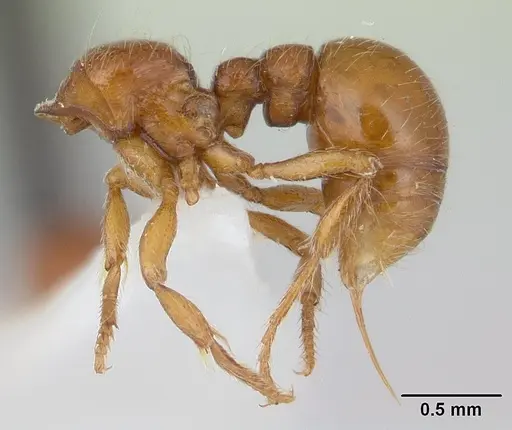
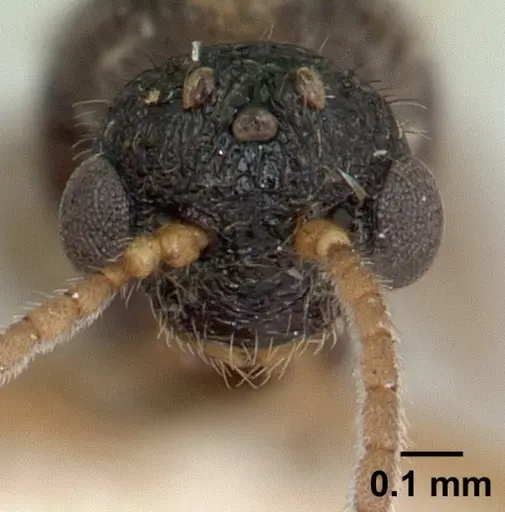
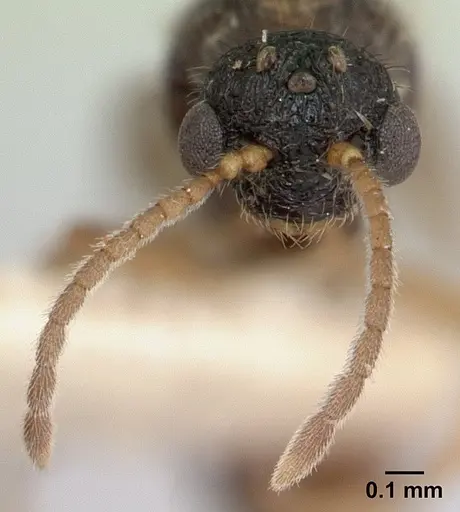
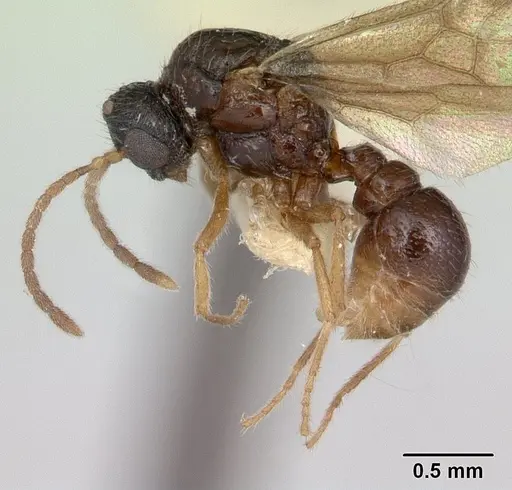
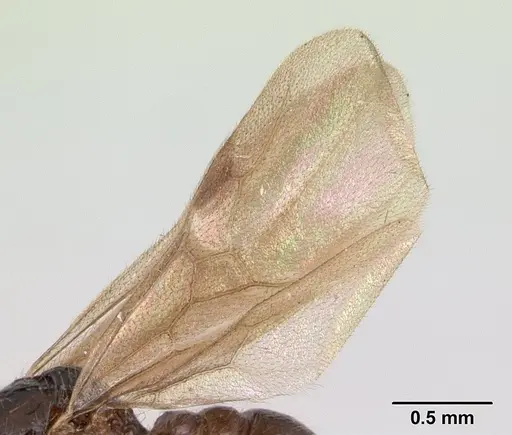
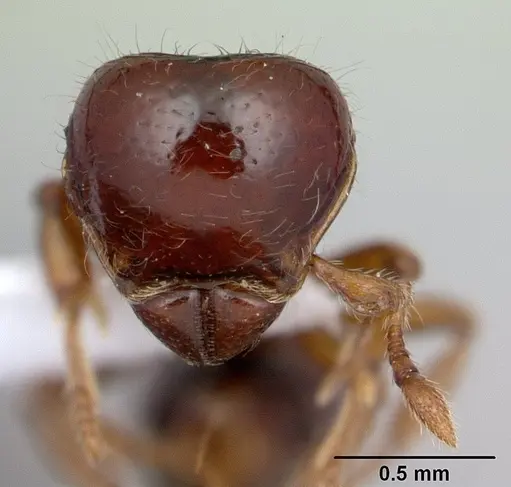
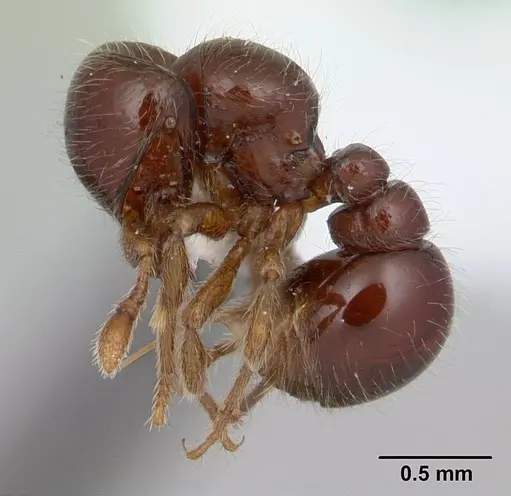
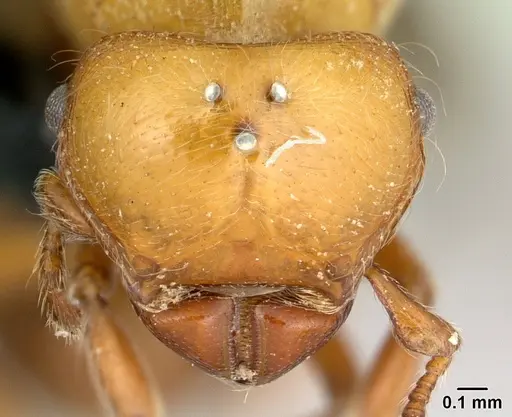
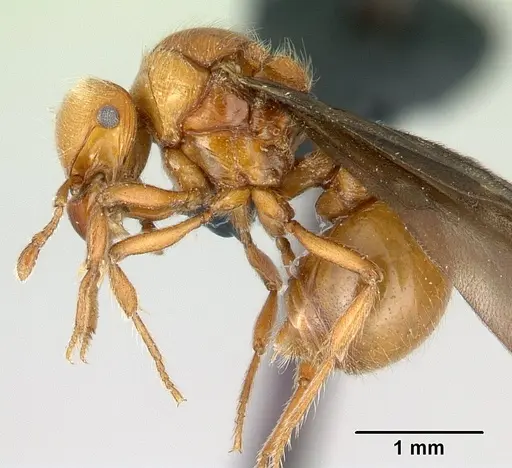
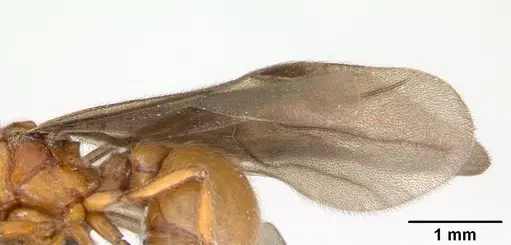
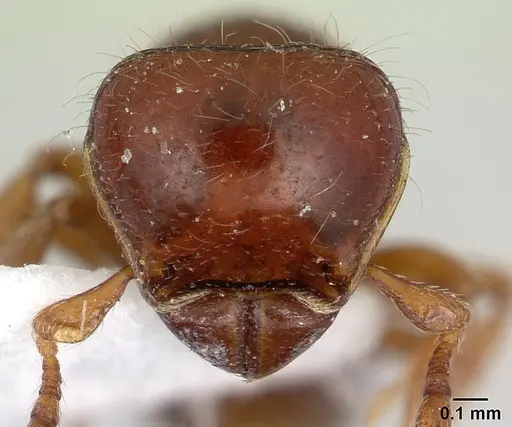
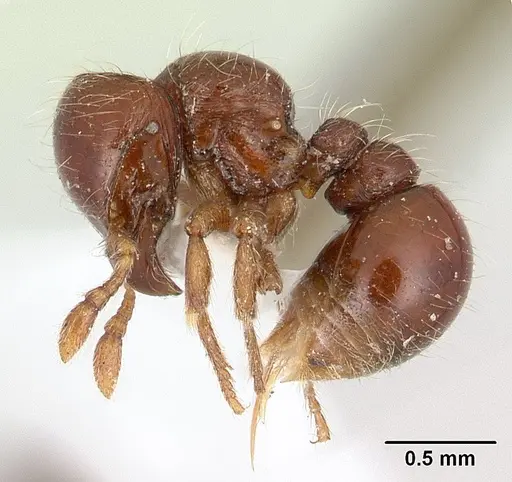
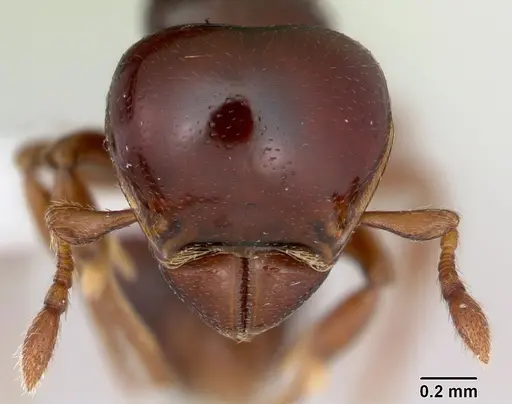
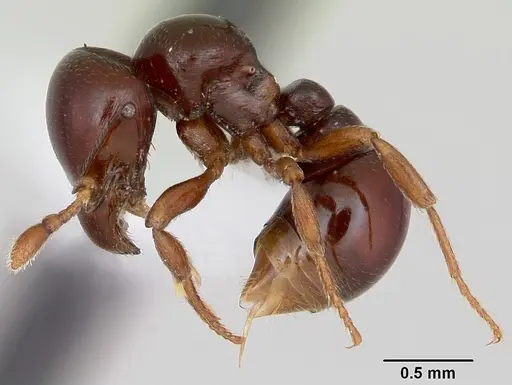
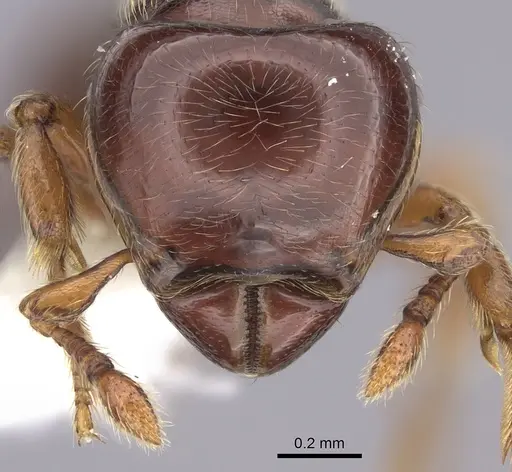
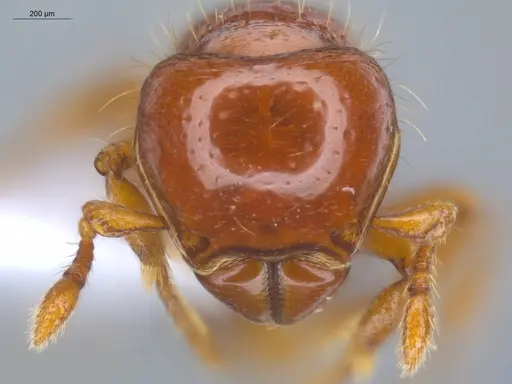
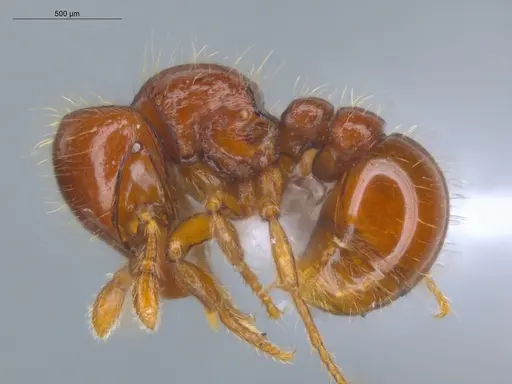
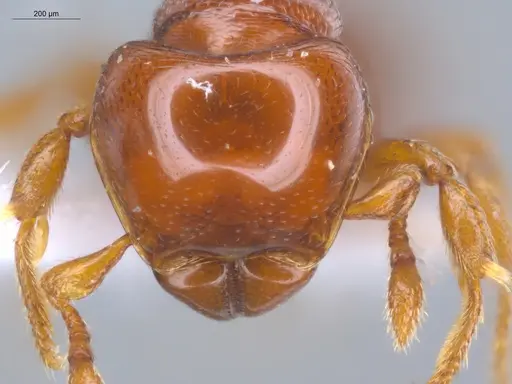
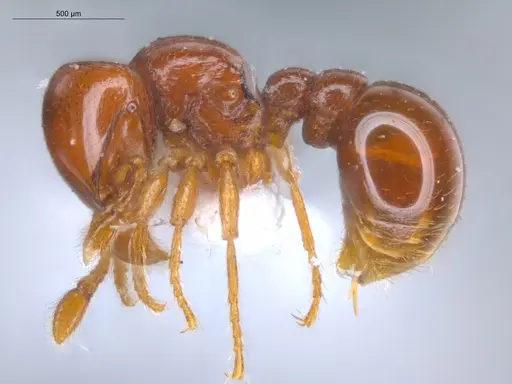
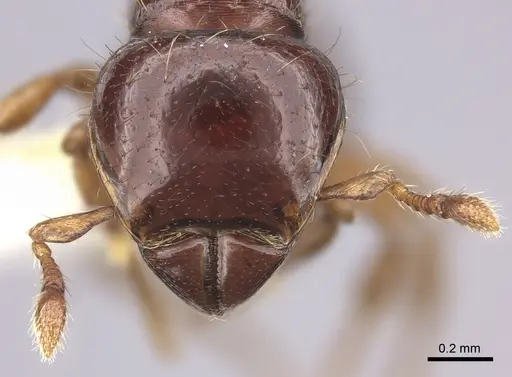
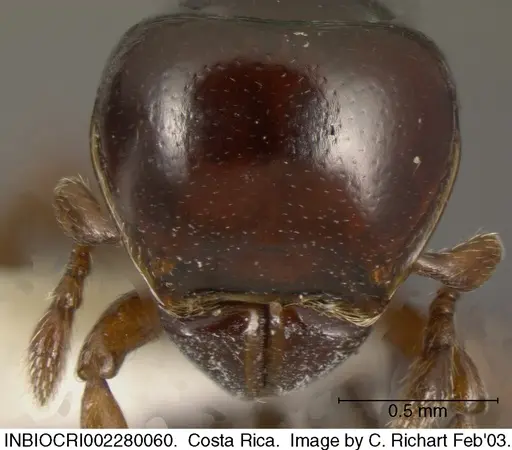
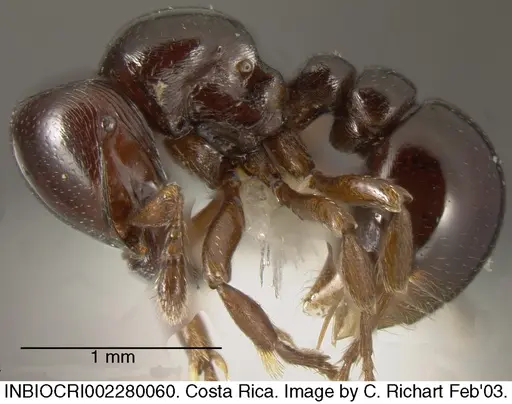
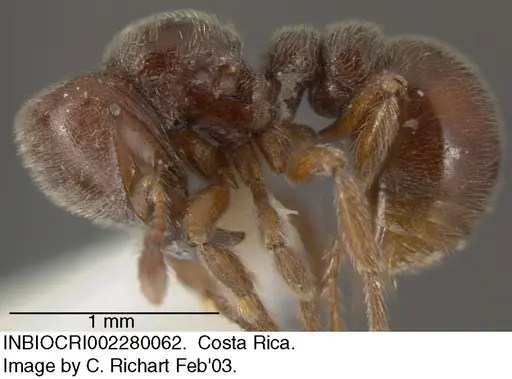
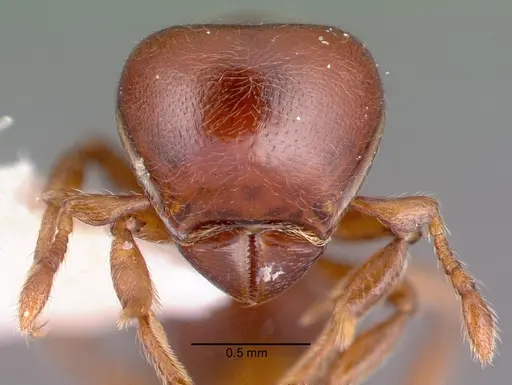
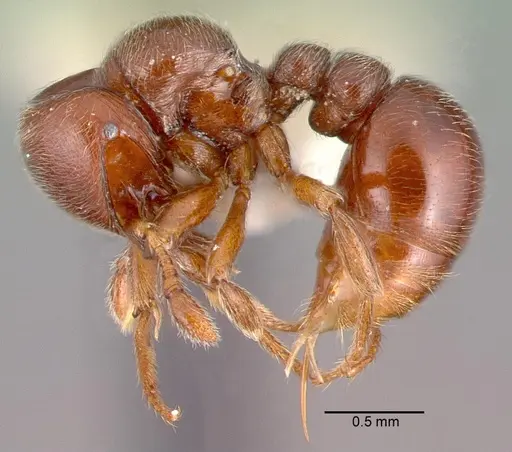
Tatuidris tatusia is one of the rarest and most unusual ants in the world - it's the only species in its genus and one of just two living species in the subfamily Agroecomyrmecinae . Worker total length can reach about 3.4 mm, but body length (excluding appendages) is 0.45-0.89 mm . They are easily recognized by their shield-shaped head,7-segmented antennae, and thick, rigid reddish-brown integument that gives them a rounded, armadillo-like appearance . The most striking feature is their enormous sting relative to body size, which they can deploy rapidly downward and forward . These ants are nocturnal sit-and-wait predators that move very slowly and often remain motionless for minutes when disturbed . Despite being top predators in the leaf-litter food web (confirmed by stable isotope analysis showing δ15N = 9.64), they have never been successfully fed in captivity - refusing every food item offered including live prey, sugar, and protein sources .
Quick Summary
- Difficulty: Expert
- Origin & Habitat: Neotropical forests from northern Mexico to central Brazil and Peru, typically at 800-1200 m elevation in pre-montane mountain zones [3][5]. Found almost exclusively in leaf litter of humid tropical forests [4].
- Colony Type: Small colonies observed (3 workers + 4 gynes in one field collection), but colony structure (single-queen vs multi-queen) is unconfirmed [5].
- Size & Growth:
- Queen: Queen head width 1.28 mm and body length (Weber's length) 1.53 mm [3].
- Worker: Worker total length approximately 3.42 mm, body length (Weber's length) 0.45-0.89 mm [2][3].
- Colony: Very small, only a few workers observed in field collections [5].
- Growth: Unknown, development timeline has not been documented.
- Development: Unknown, development has not been studied in this species. (No data available on egg-to-worker development time.)
Report an Issue
The current care sheet is based fully on literature. See inconsistencies, or something that's incorrect? Please , it will be resolved after review from an admin. Contributing to the blogs tab also helps providing information, to make us be able to further improve the caresheets. Thank you for your support!
References

This caresheet is licensed under CC BY-SA 4.0 .
Community Blogs
ANTWEB1008593
View on AntWeb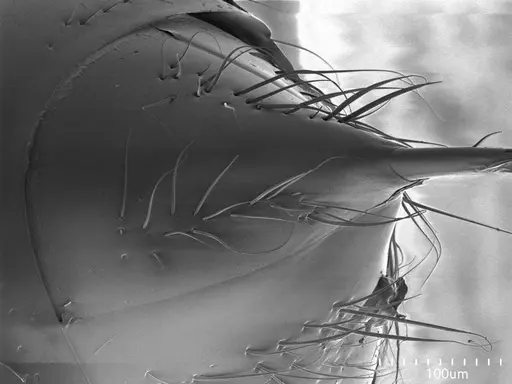
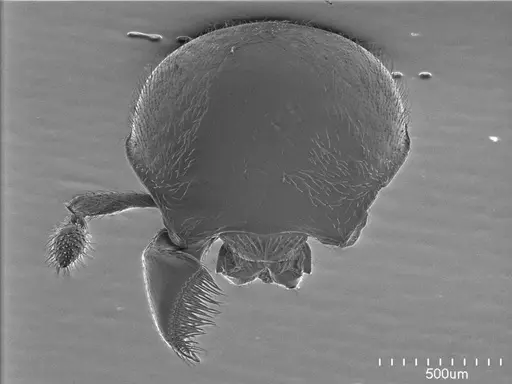
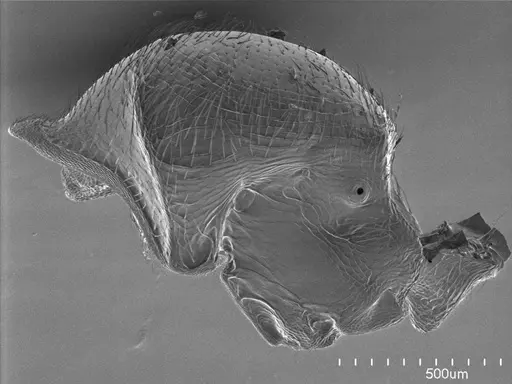
ANTWEB1008605
View on AntWeb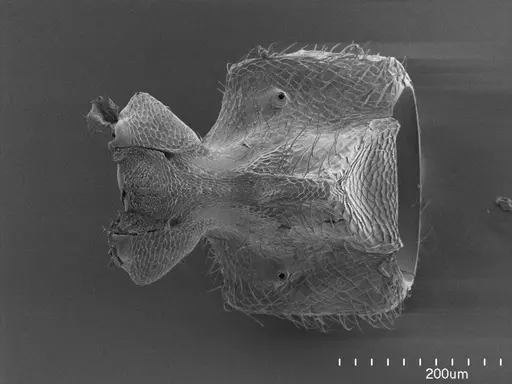
CASENT0106203
View on AntWeb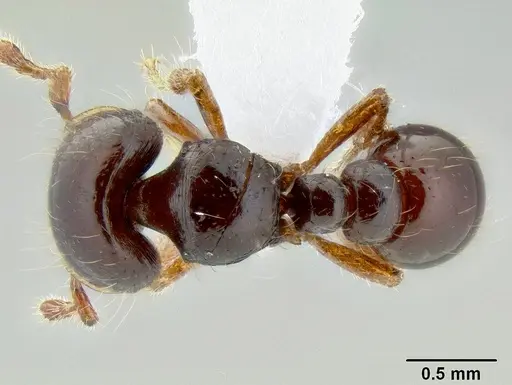
CASENT0178755
View on AntWeb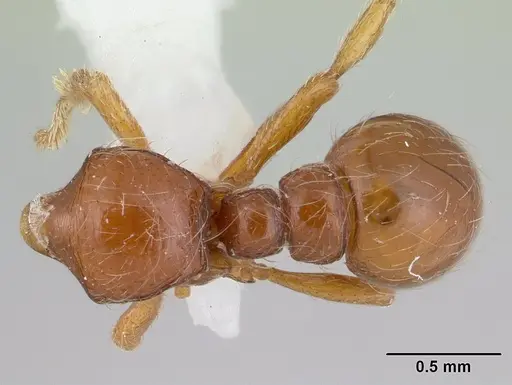
CASENT0178870
View on AntWeb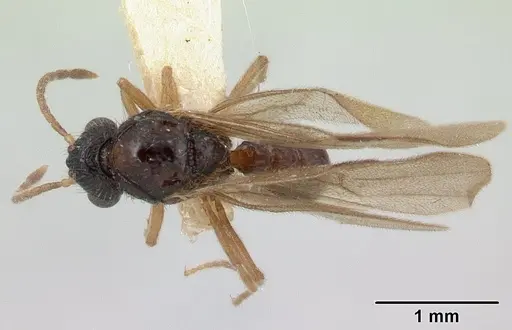
CASENT0178871
View on AntWeb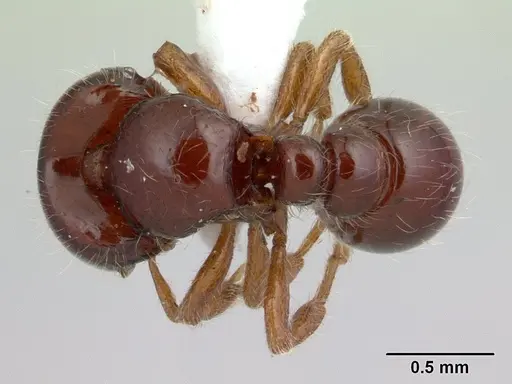
CASENT0178881
View on AntWeb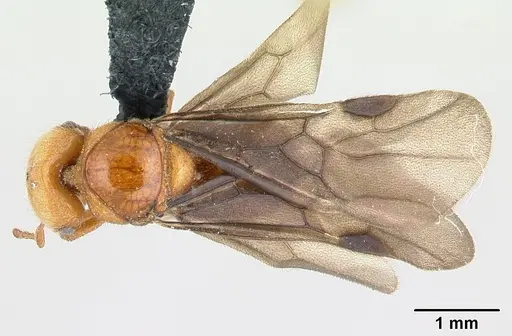
CASENT0178882
View on AntWeb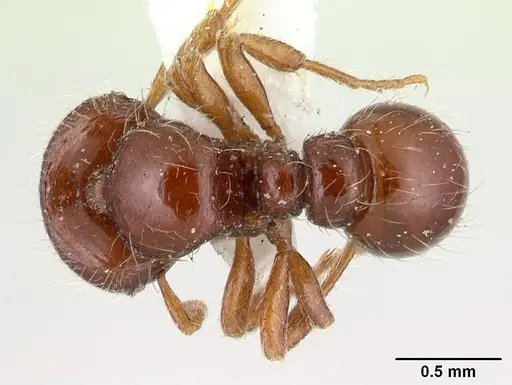
CASENT0423526
View on AntWeb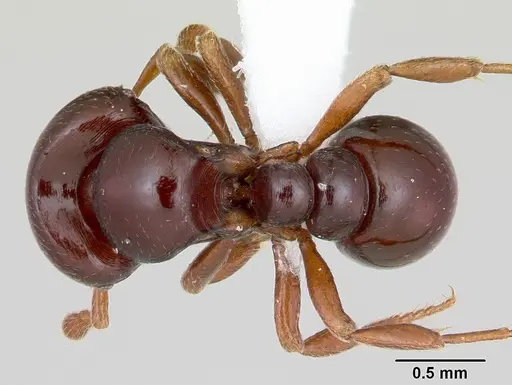
CASENT0615399
View on AntWeb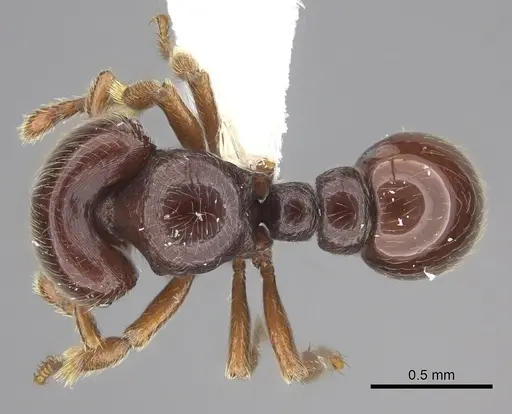
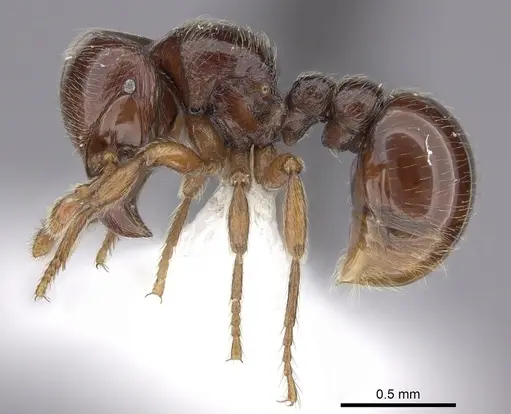
CBUMAGENT41667
View on AntWeb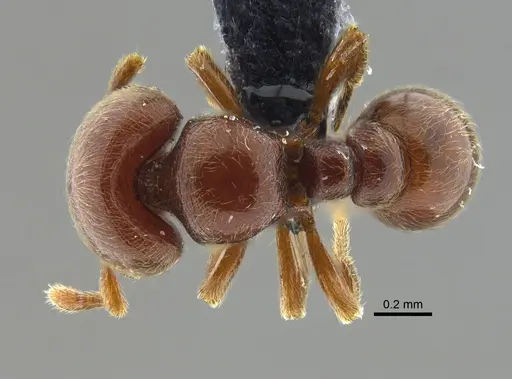
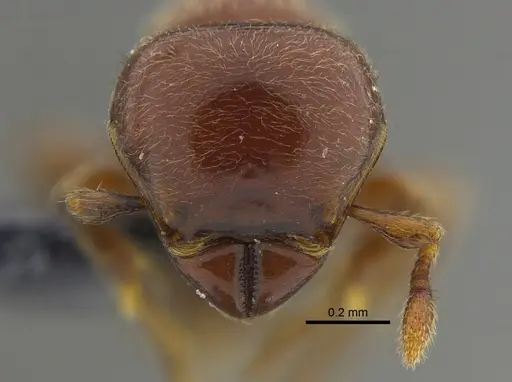
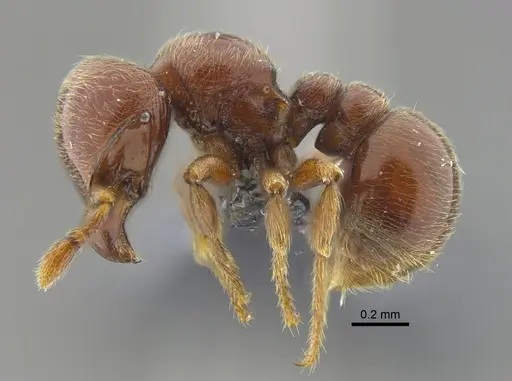
ECOFOG-GAL18-0104-15
View on AntWeb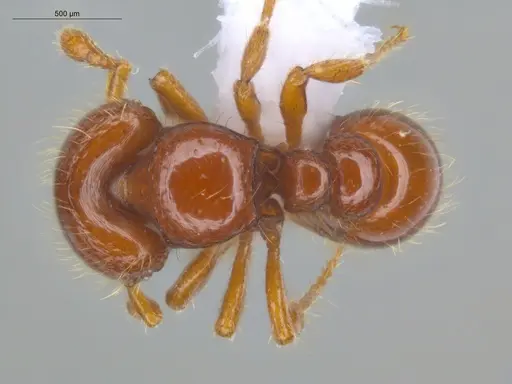
ECOFOG-IT14-0569-19
View on AntWeb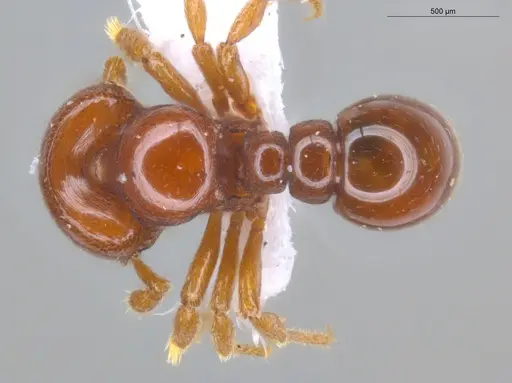
INBIOCRI002280057
View on AntWeb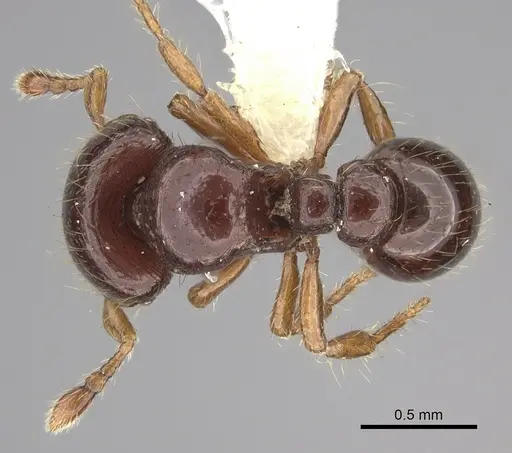
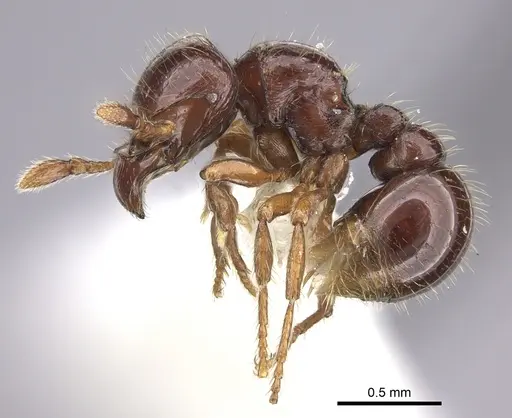
INBIOCRI002280058
View on AntWeb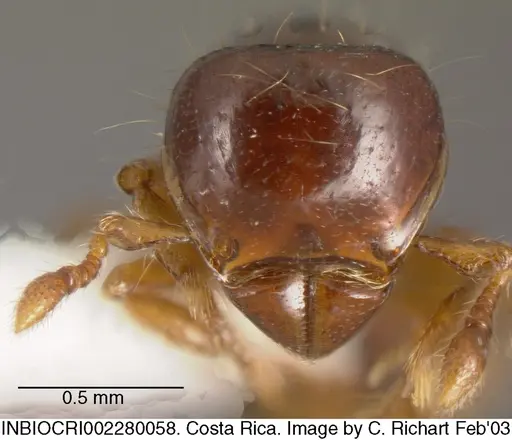
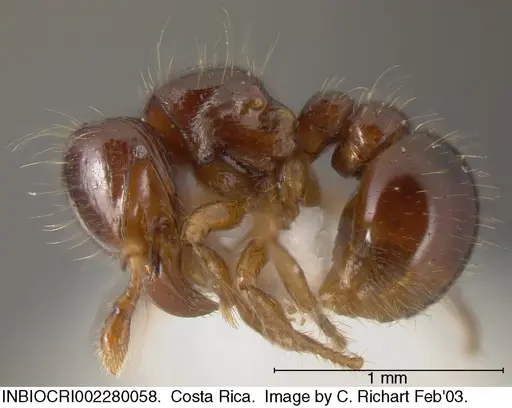
INBIOCRI002280060
View on AntWeb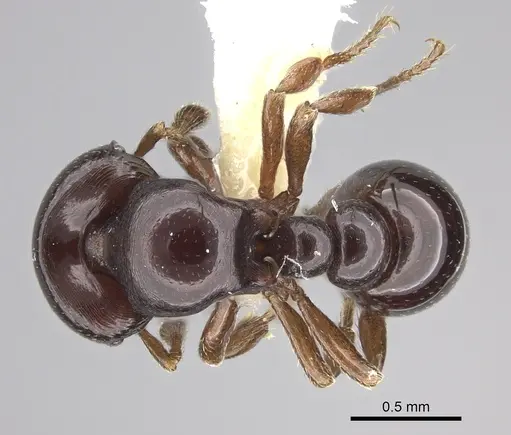
INBIOCRI002280062
View on AntWeb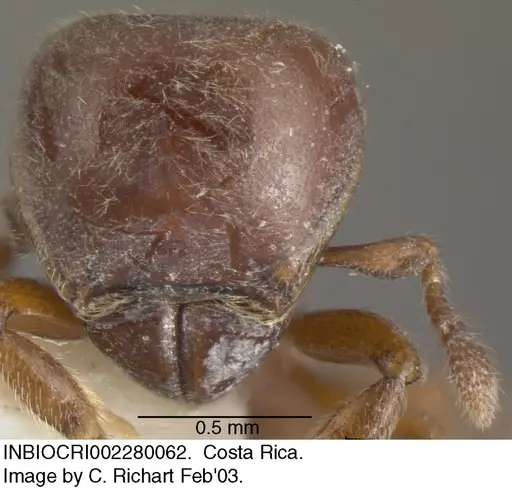
PSW7891-9
View on AntWeb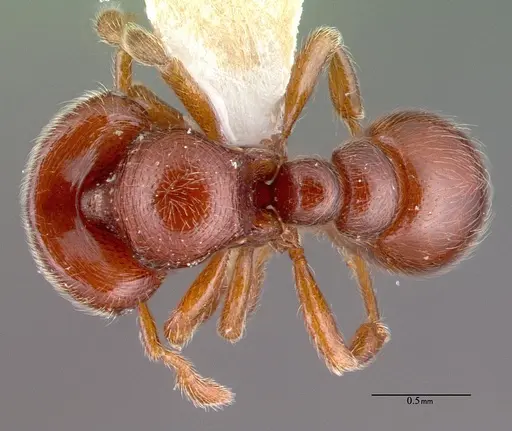
Literature
Loading distribution map...Loading products...